Indoor air quality is an often-overlooked aspect of a healthy home. Dust, chemical fumes, and everyday pollutants can accumulate, leaving your living space feeling stuffy or stagnant. Luckily, nature offers a solution: houseplants that purify and refresh the air.
Beyond their aesthetic appeal, certain houseplants actively filter toxins, produce oxygen, and improve humidity, making your home feel fresher and healthier. In this guide, we’ll explore 7 houseplants that refresh indoor air, along with tips on care and placement to maximize their benefits.
Why Indoor Air Gets Stale
Indoor air can become stale for several reasons:
- Poor Ventilation: Closed windows or mechanical systems can trap pollutants indoors.
- Household Chemicals: Cleaning products, paints, and furnishings release volatile organic compounds (VOCs).
- Dust and Allergens: Dust, mold spores, and pet dander can accumulate in the air.
- Everyday Activities: Cooking, smoking, or using candles may contribute to indoor pollutants.
Introducing the right houseplants can help combat these issues naturally, creating a healthier and more inviting living environment.
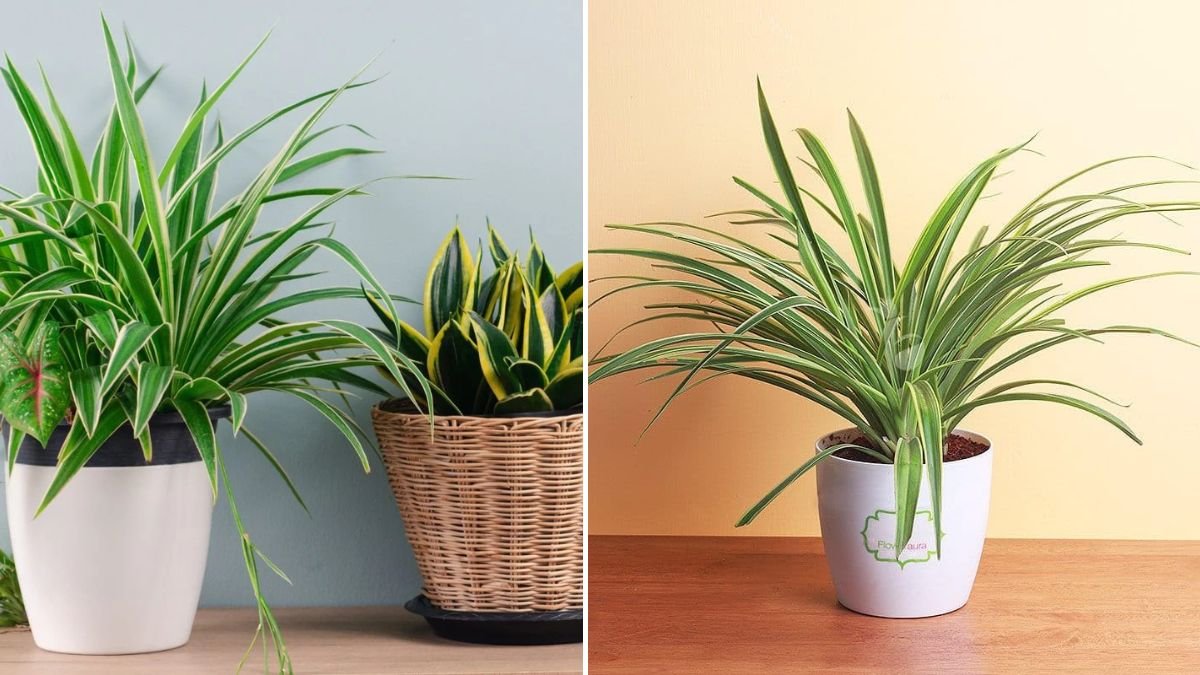
1. Spider Plant (Chlorophytum comosum)
- Air-Cleaning Abilities: Spider plants are known for removing pollutants such as formaldehyde and xylene from indoor air.
- Care Tips: Thrives in bright, indirect light but tolerates low light. Water when the soil feels dry to the touch.
- Bonus: Produces “pups” that can be propagated easily, allowing you to expand your indoor greenery.
Spider plants are excellent for beginners, making them both functional and decorative.
2. Snake Plant (Sansevieria trifasciata)
- Air-Cleaning Abilities: Filters formaldehyde, benzene, trichloroethylene, and xylene. Notably, it also produces oxygen at night, making it ideal for bedrooms.
- Care Tips: Extremely low maintenance; tolerates low light and irregular watering. Let the soil dry between waterings.
- Bonus: Its vertical leaves make a modern architectural statement indoors.
Snake plants are perfect for busy households that need an easy-to-care-for air purifier.
3. Peace Lily (Spathiphyllum spp.)
- Air-Cleaning Abilities: Removes VOCs such as ammonia, benzene, and formaldehyde. Peace lilies also help increase indoor humidity, reducing airborne dust.
- Care Tips: Prefers indirect sunlight and consistently moist soil. Remove yellowed leaves and spent blooms to maintain appearance.
- Bonus: Produces elegant white flowers, adding a touch of sophistication to any room.
Peace lilies are ideal for living rooms or office spaces where both air quality and aesthetics matter.
4. Boston Fern (Nephrolepis exaltata)
- Air-Cleaning Abilities: Excellent for filtering formaldehyde and xylene while raising humidity levels.
- Care Tips: Prefers bright, indirect light and consistently moist soil. Mist leaves regularly or place near a humidifier to prevent drying.
- Bonus: Its lush, cascading fronds provide a calming, natural atmosphere.
Boston ferns are perfect for bathrooms, kitchens, or living areas where added humidity is beneficial.
5. Aloe Vera (Aloe barbadensis miller)
- Air-Cleaning Abilities: Known for removing formaldehyde and benzene, common in paints and cleaning products.
- Care Tips: Needs bright, indirect light and well-draining soil. Water sparingly, allowing the soil to dry between waterings.
- Bonus: The gel inside the leaves can be used for soothing minor burns and skin irritations.
Aloe vera is a dual-purpose plant, offering both air purification and practical medicinal uses.
6. Areca Palm (Dypsis lutescens)
- Air-Cleaning Abilities: Removes indoor toxins and is especially effective at humidifying the air naturally.
- Care Tips: Prefers bright, indirect light and regular watering without waterlogging. Fertilize monthly during the growing season.
- Bonus: Its tall, feathery fronds create a tropical indoor oasis.
Areca palms are ideal for larger rooms or corners, providing both air-purifying benefits and visual impact.
7. Rubber Plant (Ficus elastica)
- Air-Cleaning Abilities: Filters formaldehyde and other airborne toxins effectively.
- Care Tips: Prefers bright, indirect light but tolerates some shade. Keep soil slightly moist and wipe leaves periodically to remove dust.
- Bonus: Glossy leaves add a modern, vibrant touch to your home.
Rubber plants are a low-maintenance, long-lasting option for living rooms, offices, or hallways.
Tips for Maximizing Indoor Air Purification
- Use Multiple Plants: NASA research suggests using at least one plant per 100 square feet to see a noticeable improvement in air quality.
- Rotate Plants: Move plants occasionally to ensure even light exposure and optimal growth.
- Keep Leaves Clean: Dust on leaves can reduce their air-purifying efficiency. Wipe them with a damp cloth regularly.
- Monitor Soil Moisture: Overwatering can cause root rot, while underwatering reduces plant vitality.
- Choose the Right Size: Larger plants generally purify air more effectively, but smaller plants can be grouped together for similar benefits.
- Combine Humidity-Boosting Plants: Pair ferns, peace lilies, and palms to improve indoor humidity and reduce dry air irritation.
Placement Ideas for Maximum Effect
- Bedroom: Snake plants and peace lilies for improved sleep and nighttime oxygen production.
- Living Room: Boston ferns, rubber plants, or areca palms to purify air in social areas.
- Kitchen: Aloe vera and spider plants to combat chemical odors and absorb excess moisture.
- Office: Spider plants or small peace lilies on desks to reduce stress and toxins.
By strategically placing these plants around your home, you can create a cleaner, fresher, and more inviting environment.
Conclusion
Houseplants are more than decorative accents—they are natural air purifiers that improve indoor air quality, increase humidity, and create a calmer atmosphere. By adding spider plants, snake plants, peace lilies, Boston ferns, aloe vera, areca palms, and rubber plants to your home, you can refresh stagnant indoor air while enjoying their aesthetic beauty.
With consistent care, proper placement, and thoughtful attention to watering and lighting, these houseplants will enhance your health, mood, and indoor environment, turning your living space into a vibrant, naturally refreshed sanctuary.