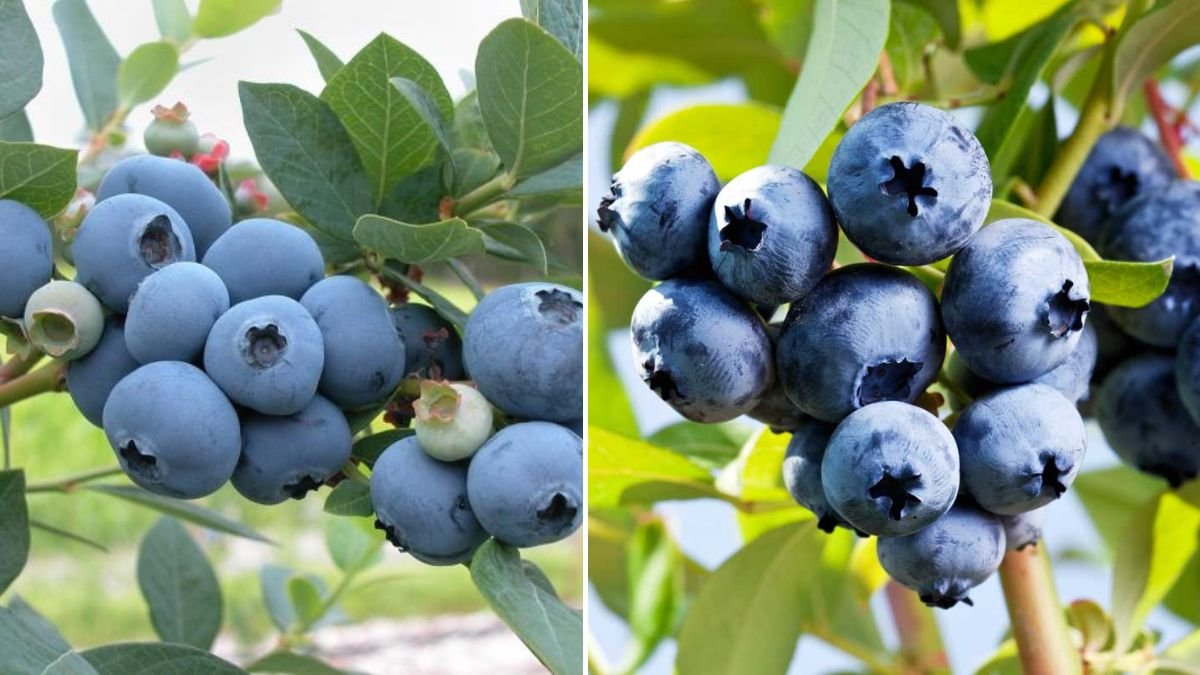
Blueberries are not only delicious but also a beautiful addition to any garden, with their lush green foliage and vibrant blue fruit. However, growing bushy, full blueberry bushes that produce abundant fruit requires careful attention to pruning, soil preparation, fertilization, and overall plant care. With the right techniques, you can create a thriving blueberry patch that looks healthy and yields a plentiful harvest year after year.
In this guide, we’ll explore 10 essential gardening tips to help your blueberry bushes become dense, vigorous, and fruit-packed.
1. Choose the Right Blueberry Variety
- Highbush vs. Lowbush: Highbush blueberries (Vaccinium corymbosum) are commonly grown in home gardens and produce larger berries, while lowbush varieties are smaller but extremely hardy.
- Climate Considerations: Select a variety suited to your USDA hardiness zone. Some varieties require chilling hours, so knowing your local climate is key.
- Pollination: While some blueberries are self-pollinating, planting multiple varieties can increase fruit size and yield.
Choosing the right variety sets the foundation for a healthy, bushy plant that thrives in your environment.
2. Plant in Acidic, Well-Draining Soil
Blueberries are acid-loving plants, thriving in soil with a pH of 4.5–5.5.
- Soil Preparation: Test your soil and amend it with sphagnum peat moss, pine needles, or elemental sulfur to lower pH if needed.
- Drainage: Avoid planting in heavy clay or areas prone to waterlogging, which can stunt growth.
- Raised Beds or Mounds: These can improve drainage and promote bushier growth.
Proper soil ensures your blueberries have strong roots, vigorous growth, and maximum nutrient uptake.
3. Give Them Full Sun
- Sunlight Requirements: Blueberries need at least 6–8 hours of full sun per day.
- Plant Placement: Avoid shaded areas; insufficient light reduces berry production and leads to leggy growth.
- Orientation: In cooler climates, southern-facing locations maximize sunlight exposure.
Adequate sunlight encourages dense foliage, robust growth, and more abundant fruit.
4. Water Consistently but Avoid Overwatering
Blueberries have shallow root systems and are sensitive to drought and overwatering.
- Frequency: Water deeply 1–2 times per week, more often in hot, dry periods.
- Method: Drip irrigation or soaker hoses are ideal to keep roots evenly moist without wetting foliage.
- Mulching: Apply 2–4 inches of mulch (pine bark, pine needles, or wood chips) to conserve moisture and regulate soil temperature.
Consistent hydration promotes full, healthy leaves and plump, juicy berries.
5. Fertilize Appropriately
- Type of Fertilizer: Use fertilizers formulated for acid-loving plants, such as those labeled for azaleas or rhododendrons.
- Timing: Fertilize in early spring and again after harvest to support new growth.
- Avoid Overfertilization: Excess nitrogen encourages leafy growth at the expense of flowers and fruit.
Balanced fertilization encourages bushy growth with plenty of flower buds for next year.
6. Prune Annually
Pruning is the key to maintaining dense, full blueberry bushes.
- Timing: Late winter or early spring, while plants are still dormant.
- Technique:
- Remove dead, damaged, or weak branches.
- Thin crowded branches to improve air circulation.
- Cut older canes (over 6 years) to encourage new growth.
- Goal: Direct the plant’s energy into strong stems, dense foliage, and abundant fruiting branches.
Regular pruning results in vigorously growing, full bushes that don’t become leggy or sparse.
7. Protect Against Pests and Diseases
Blueberries can be affected by birds, insects, and fungal diseases.
- Bird Protection: Use netting during fruit ripening to protect your harvest.
- Pests: Monitor for aphids, spider mites, or blueberry maggots and treat as needed with organic or chemical options.
- Diseases: Ensure proper spacing and air circulation to prevent powdery mildew, leaf spot, and root rot.
Healthy bushes grow bushier and more productive when protected from pests and diseases.
8. Encourage Pollination
Better pollination leads to more berries and fuller plants.
- Plant Multiple Varieties: Cross-pollination between different highbush varieties increases berry size and yield.
- Attract Pollinators: Bees are the primary pollinators; plant companion flowers to encourage bee activity.
- Hand Pollination: In low-bee areas, gently transfer pollen with a small brush to increase fruit set.
Pollination ensures dense fruit clusters and healthy, full bushes.
9. Mulch Strategically
Mulching provides numerous benefits for bushy blueberry growth:
- Moisture Retention: Keeps roots evenly hydrated.
- Weed Suppression: Reduces competition for nutrients.
- Soil Acidification: Organic mulches like pine needles help maintain acidic soil conditions.
- Temperature Regulation: Protects roots during hot summers and cold winters.
Proper mulching supports consistent growth and bushier plants over time.
10. Encourage Vertical and Horizontal Growth
- Training Branches: Gently spread or stake branches to create airflow and light penetration, encouraging more lateral growth.
- Spacing: Keep bushes 4–6 feet apart to allow expansion and airflow.
- Container Options: Dwarf varieties in large pots can be pruned and trained to stay compact yet bushy.
Combining vertical and horizontal growth techniques ensures dense foliage and abundant flowering sites.
Additional Tips for Thriving Blueberry Bushes
- Winter Care: Protect young bushes with burlap in cold climates.
- Fertilizer Rotation: Alternate between organic and inorganic fertilizers for long-term soil health.
- Observe Growth Patterns: Take note of which branches are producing fruit and which are weak; prune accordingly.
- Patience: Blueberries may take 2–3 years to reach full production, but consistent care leads to long-term rewards.
Conclusion
Creating bushy, full blueberry bushes that yield abundant fruit is achievable with the right combination of variety selection, soil care, sunlight, pruning, watering, and pollination. By following these 10 essential gardening tips—from proper fertilization and pruning to mulching and encouraging pollinators—you can cultivate blueberry bushes that are lush, vibrant, and packed with fruit.
With patience and attention to detail, your blueberry garden will not only produce delicious berries but also provide a visually stunning, dense, and healthy addition to your outdoor space year after year.