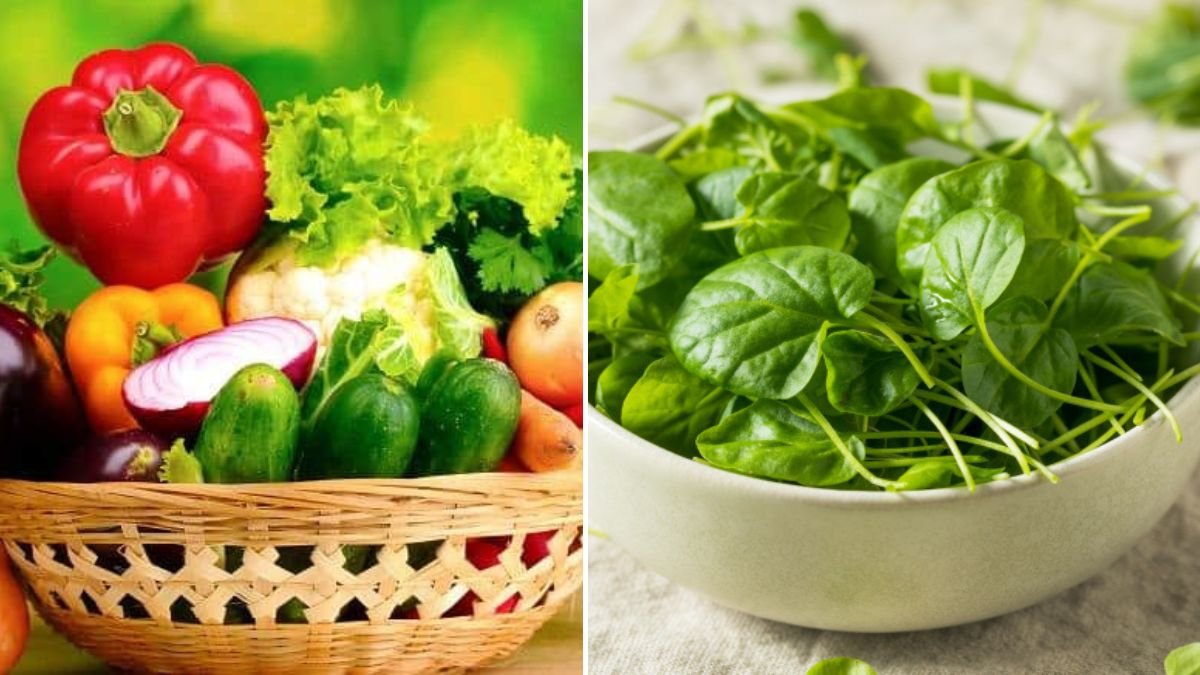
1. Watercress
Watercress is often overlooked but is considered one of the most nutrient-dense vegetables per calorie. It’s loaded with vitamins A, C, and K, as well as antioxidants that help protect your cells from damage. In some nutrition rankings, watercress tops the list for its impressive nutrient profile relative to its low calorie count.
Health Benefits:
- Supports immune function
- Strengthens bones
- Acts as a natural antioxidant source
How to Use: Toss fresh watercress into salads, sandwiches, or blend into green smoothies. Its slightly peppery flavor adds a refreshing kick.
2. Chinese Cabbage (Napa Cabbage)
Chinese cabbage, or Napa cabbage, is a staple in many Asian cuisines but remains underused in Western kitchens. It’s rich in vitamin C, vitamin K, and folate, making it excellent for supporting immunity, bone health, and healthy cell function.
Health Benefits:
- Promotes cardiovascular health
- Supports bone density
- Boosts antioxidant intake
How to Use: Shred for salads, stir-fries, or soups. Its mild flavor makes it versatile for many dishes.
3. Swiss Chard
Swiss chard, also called leaf beet, is highly colorful and extremely nutritious. It contains vitamins A, C, and K, along with minerals like magnesium and manganese. Its stems can range from bright red to yellow, adding both visual appeal and nutrition to meals.
Health Benefits:
- Supports heart and bone health
- Helps regulate blood sugar levels
- Provides antioxidants that combat inflammation
How to Use: Sauté chard with garlic and olive oil, or add to soups, stews, and grain bowls for a nutrient boost.
4. Beet Greens
While many people discard beet greens, they are actually more nutrient-dense than the beet root itself. Rich in vitamin K and antioxidants, beet greens offer significant health benefits and are easy to cook.
Health Benefits:
- Supports bone health due to high vitamin K
- Contains antioxidants for cellular protection
- Improves digestion through fiber content
How to Use: Sauté beet greens with olive oil, or incorporate them into omelets, stir-fries, or pasta dishes.
5. Bok Choy
Bok choy, or pak choi, is a member of the cabbage family and is packed with vitamins A, C, and K. It also provides calcium and folate, nutrients important for bone health and cell repair. Despite its frequent use in Asian cuisine, it remains underutilized in many households.
Health Benefits:
- Strengthens bones and teeth
- Supports immune function
- Promotes digestive health
How to Use: Add bok choy to stir-fries, soups, or steam it lightly and serve as a side dish.
6. Chicory
Chicory greens, commonly used in salads or as a coffee substitute, are rich in fiber, vitamin B6, and manganese. These compounds support digestion and liver function, making chicory a unique nutrient powerhouse.
Health Benefits:
- Supports gut health
- Reduces inflammation
- Provides essential vitamins and minerals
How to Use: Mix chicory into salads, sauté lightly, or add to vegetable blends for a slightly bitter, complex flavor.
7. Parsley
Often thought of as just a garnish, parsley is actually a nutrient-rich herb that provides substantial vitamin K, vitamin C, and folate. Adding parsley to your meals increases nutrient intake without adding calories.
Health Benefits:
- Promotes bone strength
- Supports blood clotting
- Acts as a natural antioxidant
How to Use: Chop fresh parsley into salads, sauces, soups, and smoothies. Even a small amount significantly boosts nutrient content.
8. Collard Greens
Collard greens are closely related to kale and cabbage and are packed with vitamins A, C, and K. They also provide fiber and phytonutrients that have been associated with lower disease risk. Though commonly used in Southern cuisine, collard greens remain underappreciated in many diets.
Health Benefits:
- Supports cardiovascular health
- Helps maintain healthy bones
- Provides fiber for digestive health
How to Use: Slow-cook collard greens with seasonings, or use the leaves as wraps for grains and proteins.
9. Mustard Greens
Mustard greens have a bold, peppery flavor and are highly nutrient-dense, providing vitamins A, C, and K. Their phytonutrients also contribute to antioxidant and anti-inflammatory benefits.
Health Benefits:
- Reduces oxidative stress
- Supports immune function
- Promotes healthy digestion
How to Use: Add mustard greens to salads, sauté lightly with garlic, or incorporate into soups for a flavorful, nutrient-packed dish.
10. Endive and Radicchio
Endive and radicchio are crunchy, slightly bitter greens that contain fiber, vitamins, and antioxidants. They’re excellent for adding texture, flavor, and nutrients to salads and grilled dishes.
Health Benefits:
- Supports digestive health
- Provides antioxidant protection
- Adds vitamins and minerals per calorie
How to Use: Grill or roast radicchio, or add endive to salads with citrus and nuts for a nutrient-rich meal.
Why Choose Nutrient-Dense Vegetables
Nutrient-dense vegetables provide more vitamins, minerals, fiber, and antioxidants per calorie, making them ideal for supporting overall health. Incorporating these lesser-known vegetables into your diet can:
- Strengthen the immune system
- Reduce inflammation and oxidative stress
- Support bone, heart, and digestive health
- Help prevent chronic diseases such as heart disease, diabetes, and cancer
Nutrition experts recommend rotating in both familiar and lesser-known vegetables to ensure a diverse intake of phytonutrients and minerals.
How to Incorporate These Vegetables
- Watercress: Add to salads, sandwiches, or smoothies for a peppery boost.
- Chinese Cabbage: Use in slaws, soups, or stir-fries.
- Swiss Chard & Beet Greens: Sauté with garlic and olive oil or add to soups and stews.
- Bok Choy: Stir-fry or steam lightly as a side dish.
- Chicory & Mustard Greens: Mix into salads for a slightly bitter flavor.
- Parsley: Chop into sauces, soups, and dressings.
- Collards: Slow-cook or use as wraps.
- Endive & Radicchio: Add to salads or grill with olive oil and seasonings.
Experimenting with these vegetables introduces new flavors and textures while significantly boosting the nutrient density of your meals.
Authoritative Sources
For further reading and research on nutrient-dense vegetables:
- CDC Powerhouse Vegetables List: cdc.gov
- Health Matters – NY Presbyterian: healthmatters.nyp.org
- DailyWellRecipes – Nutrient Density Rankings: dailywellrecipes.com
- Healthline Leafy Greens Guide: healthline.com
Final Thoughts
Expanding your vegetable repertoire beyond familiar favorites can dramatically improve your nutrient intake. These 10 nutrient-dense vegetables you’ve probably never tried — from peppery watercress to bold mustard greens — are rich in vitamins, minerals, and antioxidants. Incorporating them into your weekly meals not only diversifies your diet but also supports long-term health.
Adding even one or two of these powerhouses to your plate each week can enhance your immune system, improve digestion, strengthen bones, and help protect your body against disease — making nutrient-dense eating delicious, exciting, and impactful.