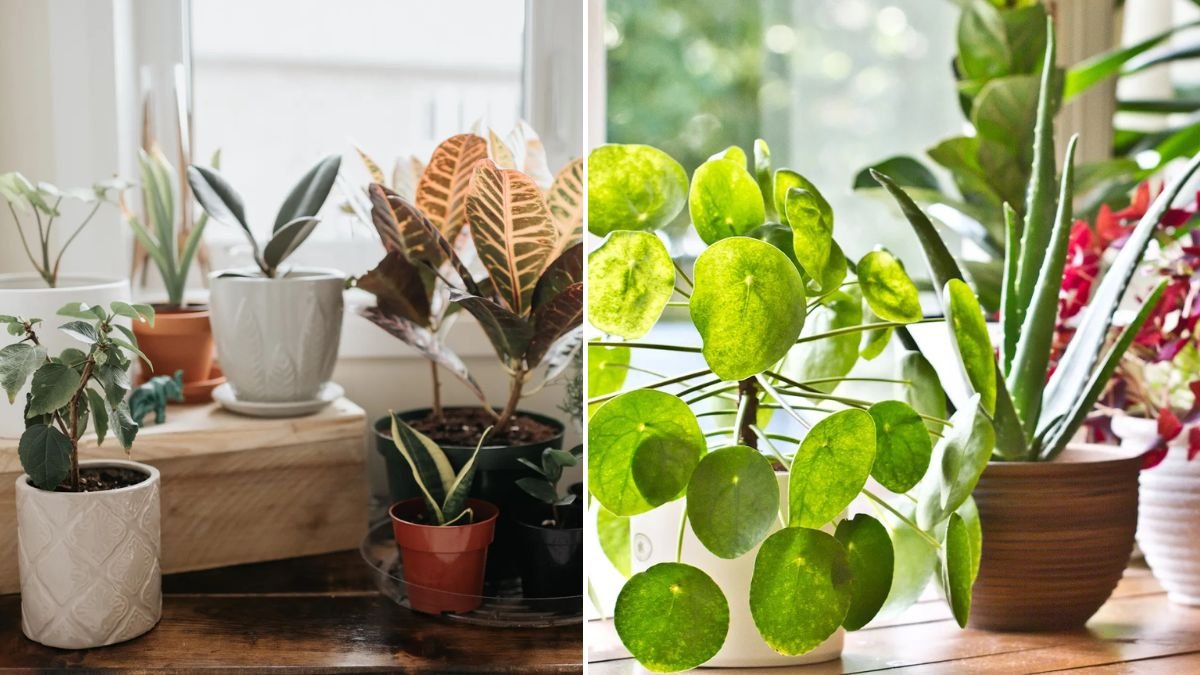
1. Elephant Ear (Colocasia esculenta)
Elephant ears are bold tropical plants with large, dramatic foliage that adds instant impact to any garden. They love consistently moist soil, and some species even thrive in shallow water or along pond edges. Elephant ears grow quickly and can tolerate soil that would drown most other plants.
Tips for Growing:
- Plant in rain gardens, near streams, or in containers with consistently wet soil.
- Provide some afternoon shade in hot climates to prevent leaf scorch.
Why It Works: Elephant ears have thick, tuberous roots and large leaves that store water, allowing them to thrive in damp conditions.
2. Peace Lily (Spathiphyllum spp.)
Peace lilies are iconic houseplants known for their air-purifying qualities, but they also excel in moist, shaded garden spots. They tolerate soggy soil and often droop when they need more water, a natural reminder to keep them hydrated.
Tips for Growing:
- Keep soil consistently damp but not waterlogged in pots.
- Outdoors, plant in shady areas with rich, moist soil.
Bonus: Peace lilies also bloom periodically, producing elegant white flowers even in indoor or low-light conditions.
3. Canna Lily (Canna indica)
Cannas are tropical perennials with large leaves and bright flowers. They thrive in wet soil and even standing water, making them ideal for boggy corners, water gardens, or pond margins. Cannas also tolerate full sun, which helps promote vibrant blooms.
Tips for Growing:
- Divide rhizomes every few years to maintain vigor.
- Mulch around the base to retain moisture and suppress weeds.
4. Fiber Optic Grass (Isolepis cernua)
This ornamental grass is delicate and elegant, perfect for boggy soil or wet containers. Its fine texture and cascading habit create movement and contrast in wet areas.
Tips for Growing:
- Plant along pond edges or in containers partially submerged in water.
- Ideal for rain gardens or water features.
Why It Works: Fiber optic grass naturally grows in wetlands, so it has adapted to tolerate standing water.
5. Japanese Iris (Iris ensata)
Japanese irises are known for their striking flowers and adaptability to wet soil conditions. They thrive in rain gardens, near ponds, or other damp areas that may be too wet for traditional perennials.
Tips for Growing:
- Plant in full sun to partial shade.
- Ensure soil remains moist, especially during the growing season.
Garden Benefit: Japanese irises attract pollinators, including bees and butterflies, adding biodiversity to wet gardens.
6. Swedish Ivy (Plectranthus verticillatus)
Swedish ivy is a trailing plant that flourishes in moist, shaded soil. It works well in containers, hanging baskets, or as a groundcover in damp spots. Its cascading habit makes it particularly useful for softening garden edges or covering soil in shaded, wet areas.
Tips for Growing:
- Keep soil consistently damp for best growth.
- Provide partial shade to prevent leaf scorch.
Why It Works: Swedish ivy is naturally adapted to humid and damp conditions, tolerating occasional overwatering.
7. Ligularia (Ligularia dentata)
Ligularia is a bold perennial with dramatic foliage and tall yellow flower spikes. It thrives in wet soil and does not tolerate dry conditions. Ligularia is perfect for adding color and texture to soggy garden areas or shade gardens.
Tips for Growing:
- Pair with ferns or astilbes to create lush, moisture-loving borders.
- Protect from harsh afternoon sun to prevent leaf burn.
Garden Benefit: Ligularia adds height and visual interest while thriving where many plants fail.
8. Astilbe
Astilbe is a perennial favorite for wet, shaded gardens. Its feathery plumes come in shades of pink, red, and white, adding soft, delicate color to boggy areas. Astilbe thrives in consistently moist soil and is often used in rain gardens or along pond edges.
Tips for Growing:
- Plant in clusters for an extended bloom display.
- Mulch to retain soil moisture and protect roots.
Why It Works: Astilbes originate from woodland and marsh habitats, giving them natural resilience to wet soil.
9. Hostas
Hostas are classic shade perennials with large, lush leaves. They love damp soil and are highly tolerant of soggy conditions, making them ideal for low-lying garden spots or near water features.
Tips for Growing:
- Provide partial to full shade for optimal growth.
- Protect from slugs, which are common in moist environments.
Garden Benefit: Hostas offer lush foliage and a variety of textures, perfect for creating shaded, wet borders.
10. Hydrangea
Hydrangeas are shrubs well-known for their moisture-loving nature. They thrive in consistently damp soil, particularly bigleaf hydrangeas, which also benefit from wet soil to produce their abundant blooms.
Tips for Growing:
- Select varieties suited to your sun conditions (shade vs. full sun).
- Water consistently to maintain soil moisture, especially in hot climates.
Why It Works: Hydrangeas store water in their stems and leaves, allowing them to tolerate wet conditions without stress.
Why These Plants Tolerate Overwatering
Plants that thrive in wet conditions often come from marshes, stream banks, or tropical habitats. They have adaptations that allow them to survive in waterlogged soil:
- Aerated root systems that resist rot.
- Large, water-storing foliage or rhizomes.
- Tolerance to low-oxygen soil conditions.
Choosing the right species ensures your garden stays lush even in areas that experience frequent rainfall or heavy watering.
Tips for Planting in Wet or Soggy Areas
Whether creating a rain garden or planting in low-lying wet spots, consider these strategies:
1. Choose the Right Spot
Plant moisture-loving species in low areas, near drainage outflows, or close to water features.
2. Improve Soil Flow
Amend compacted soil with organic matter to improve aeration while still allowing temporary water pooling.
3. Mulch Wisely
Use organic mulch to retain soil moisture and stabilize temperatures without suffocating roots.
4. Avoid Drought-Lovers
Avoid planting succulents, cacti, or other drought-sensitive plants in soggy areas. Stick to species naturally adapted to wet soil.
Authoritative Sources
For more information on moisture-loving plants and wet-area gardening, consult:
- The Garden Magazine — Plants That Don’t Mind Being Overwatered: thegardenmagazine.com
- Tom’s Guide — Rain-Loving Plants for Soggy Soil: tomsguide.com
- Garden Care — Waterlogging Management Tips: gardencare.org
Final Thoughts
Overwatering isn’t always a problem — for the right plants, it’s a benefit. From the dramatic elephant ear to elegant Japanese iris and lush hydrangeas, many species actually thrive in soggy conditions. By choosing plants that tolerate or prefer wet soil, you can:
- Transform problem areas into lush, thriving gardens.
- Reduce plant stress caused by excess water.
- Enjoy vibrant foliage, bold blooms, and unique textures in damp spots.
Whether you’re creating a rain garden, filling low-lying wet areas, or simply want low-stress plants for moisture-prone spots, these 10 plants are your best bets for success.