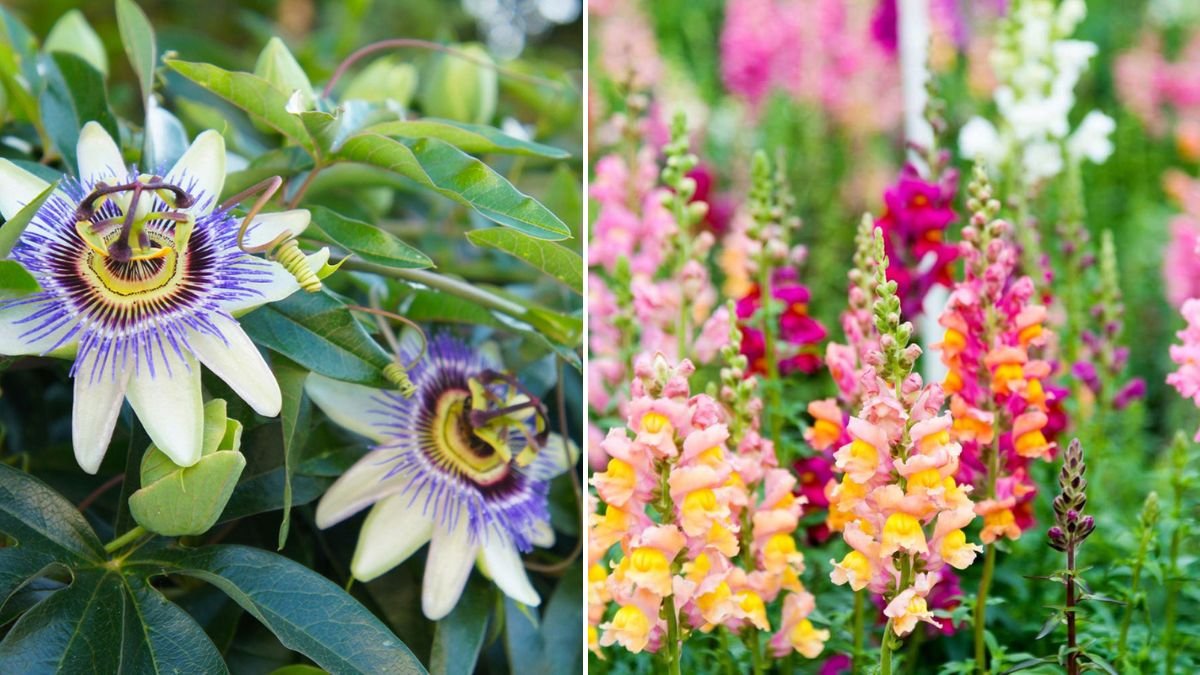
Gardening is a rewarding hobby, but buying new plants repeatedly can be expensive. What if you could multiply your favorite flowers without spending extra money? That’s where cloning or propagation comes in. Cloning allows gardeners to produce genetically identical copies of plants, ensuring the same vibrant blooms, color, and fragrance as the parent plant. If you’ve ever wondered which flowers are easiest to clone and how to do it at home, this guide is for you.
Vegetative propagation methods like stem cuttings, division, and layering have become increasingly popular among gardening enthusiasts and professional horticulturists alike. Many gardeners now use these techniques to preserve rare or beloved varieties, reduce gardening costs, and increase the number of flowers in their landscape. Thanks to recent gardening trends, more people are discovering just how easy it is to multiply their favorite plants.
In this article, we’ll explore 15 beautiful flowers that are easy to clone, along with step-by-step guidance, expert tips, and authoritative resources to help you expand your garden with ease.
1. African Violet
African violets are beloved houseplants that thrive indoors. They can be propagated easily from leaf or stem cuttings. Simply cut a healthy leaf with a small portion of the stem, plant it in moist soil, and wait for new roots to develop. Within a few weeks, your cutting will grow into a full, vibrant plant. African violets are perfect for small indoor gardens or windowsills.
2. Begonia
Begonias are another versatile flower that propagates readily from stem cuttings. Cut a short segment of the stem, remove lower leaves, and plant in a container with moist soil or water. Begonias produce striking blooms in red, pink, white, and orange, making them a popular choice for colorful indoor or balcony gardens.
3. Dianthus (Sweet William)
Dianthus plants, commonly known as Sweet William, are fragrant and colorful perennials. They can be propagated through 3–4-inch stem cuttings. Keep the cuttings in a bright, humid environment, and roots will develop quickly. Dianthus flowers are perfect for borders and garden beds, adding a classic touch to any landscape.
4. Geraniums
Geraniums are garden staples known for their resilience and vibrant colors. To clone geraniums, take a 6-inch cutting from a healthy plant, remove lower leaves, and root it in water or soil. Once the roots develop, transplant into pots or garden beds. Geraniums are ideal for containers, window boxes, and outdoor flower beds.
5. Hydrangea
Hydrangeas produce large, lush clusters of flowers and are best propagated through tip cuttings taken in early summer. Cut 4-inch tips from healthy stems, remove lower leaves, and plant in a moist medium. With proper care, new hydrangea plants will establish within a few weeks, giving you more spectacular blooms in your garden.
6. Lavender
Lavender is not only visually appealing but also fragrant and calming. Softwood cuttings from spring or early summer can be rooted in soil to create new plants. Ensure the medium drains well and provide bright, indirect light. Lavender cuttings take a little longer to establish, but the payoff is a thriving aromatic garden.
7. Roses
Roses are classic garden favorites that can be cloned through hardwood or softwood cuttings, depending on the season. Hardwoods are best taken in fall, while softwoods are suitable for spring. Use a rooting hormone to improve success rates, and keep cuttings in a bright, humid environment. Cloning roses ensures that you maintain the same color and fragrance as the parent plant.
8. Snapdragon
Snapdragons are tall, vibrant flowers that brighten up any garden. They can be propagated from 4–6-inch stem cuttings. Place the cuttings in moist soil, and within a few weeks, roots will begin to form. Snapdragons thrive in sunny locations and are excellent for adding vertical color to flower beds.
9. Zinnia
Zinnias are typically grown from seeds, but certain varieties can be cloned through stem cuttings. Cut a healthy 4-inch stem from a mature plant and root it in water or soil. Zinnias are hardy, low-maintenance flowers that add a burst of color to your garden. Cloning ensures you can replicate your favorite zinnia variety year after year.
10. Carnation
Carnations are popular for their ruffled, fragrant blooms. Softwood cuttings root easily in fertile soil, producing new plants within weeks. Carnations are suitable for garden beds, pots, or as cut flowers for floral arrangements.
11. Petunia
Petunias are commonly used in hanging baskets and container gardens. Cuttings from healthy stems root quickly and produce bushy plants with abundant blooms. Maintaining consistent moisture and providing bright, indirect light helps petunia cuttings thrive.
12. Fuchsia
Fuchsia plants are known for their drooping, bell-shaped flowers. They are propagated from semi-hardwood cuttings, which root easily in a humid environment. Fuchsia plants do well in containers or shaded garden areas, making them versatile and visually striking additions.
13. Chrysanthemum (Mums)
Chrysanthemums are hardy, flowering perennials that can be cloned through softwood cuttings. Take cuttings in spring or early summer, place them in a moist rooting medium, and they will grow into full, bushy plants by autumn. Mums add vibrant color to garden borders and autumn floral displays.
14. Ixora
Ixora is a tropical favorite known for its clusters of small, brightly colored flowers. Spring cuttings root readily in warm climates, producing bushy shrubs with vibrant blooms. Ixora plants thrive in well-drained soil with plenty of sunlight.
15. Vinca (Periwinkle)
Vinca, or periwinkle, is a hardy groundcover plant that roots easily from softwood cuttings. It works well for baskets, borders, or as a low-maintenance landscape plant. Vinca’s glossy foliage and colorful flowers make it a practical and beautiful choice for gardeners.
Cloning Methods That Work
While different plants may require different approaches, three main cloning methods are widely used:
1. Stem Cuttings
Stem cuttings are the most common cloning technique. Cut a healthy stem just below a leaf node and place it in moist soil or water. After several weeks, roots will develop. Using a rooting hormone can increase success rates, and placing cuttings in bright, indirect light ensures healthy growth.
2. Division
Division is ideal for clumping plants like chrysanthemums. Carefully separate the rootball into sections and transplant each part individually. Division is straightforward and allows you to quickly expand the number of flowering plants in your garden.
3. Layering
Layering involves bending a low branch into the soil while it’s still attached to the parent plant. Once roots form, sever the new plant from the parent. This technique is commonly used for shrubs like hydrangeas and ensures strong root development before separation.
Expert Tips for Successful Cloning
- Sterilize tools: Prevents infections and diseases in new plants.
- Use healthy parent plants: Cuttings from strong, disease-free plants produce the best results.
- Maintain moisture: Keep soil or rooting medium consistently moist but not waterlogged.
- Provide adequate light: Bright, indirect sunlight encourages root growth.
- Use rooting hormones: For some plants like roses, this increases success rates significantly.
Authoritative Sources
For further reading and step-by-step propagation guides, these sources are excellent:
- Planet Natural – Propagating Flowers: Offers detailed instructions for over a dozen flowering plants (planetnatural.com)
- Urban Mali – Easy Flowers to Grow from Cuttings: Practical propagation guide for home gardeners (urbanmali.com)
- Wikipedia – Layering (Horticulture): In-depth explanation of the layering method (en.wikipedia.org)
- The Spruce – Best Plants to Grow from Cuttings: Comprehensive overview of cloning techniques (thespruce.com)
Conclusion
Cloning flowers at home is easier than many gardeners think. With the right techniques, tools, and care, you can propagate beautiful blooms like African violets, roses, hydrangeas, and petunias — expanding your garden without spending extra money. Vegetative propagation not only preserves your favorite plant varieties but also enhances your gardening skills.
By following these guidelines and experimenting with different cloning methods, you’ll soon have more flowers, more color, and more joy in your garden. Whether you’re a beginner or an experienced gardener, the ability to clone your favorite flowers is a rewarding and cost-effective way to enjoy your garden year-round.
Start today, choose your favorite flowers, and watch your garden multiply naturally and beautifully.