Why Plant Placement Matters
Plants interact with soil, water, and structures in ways many people don’t consider. Roots naturally seek moisture and nutrients, and foundations often provide both. Over time, large or invasive roots can shift soil, crack concrete, and infiltrate drainage systems. Above ground, vines and dense shrubs trap moisture against siding, increasing the risk of mold, rot, and insect infestation.
Even leaves and falling branches can create problems by clogging gutters and blocking drainage. Water that cannot drain properly may pool near the foundation, weakening it over time. In short, what you plant close to your home can directly affect the integrity of the building itself.
Trees You Should Never Plant Near Your House
Willow Trees
Willow trees are famous for their graceful shape and fast growth, but they are also notorious for their aggressive root systems. Willows are drawn to moisture and will spread their roots far and wide in search of water. This makes them particularly dangerous near foundations, underground pipes, and septic systems. Their roots can crack concrete, block drains, and destabilize soil under your home. Because they grow so quickly and so large, they should always be planted far away from structures.
Poplar Trees
Poplars grow fast and tall, making them tempting for homeowners who want quick shade or privacy. Unfortunately, their rapid growth is matched by an expansive root system that can cause serious damage underground. Poplar roots are known to invade sewer lines and drainage pipes, leading to plumbing issues. Above ground, they shed a large amount of leaves and twigs that can clog gutters and cause water buildup near your home.
Maple Trees
Some varieties of maple, especially silver maple, have shallow and wide-spreading roots. These roots grow close to the soil surface and can lift sidewalks, crack driveways, and push against foundations. Maple trees also drop large quantities of leaves every autumn, increasing the risk of gutter blockages and moisture buildup near walls.
Oak Trees
Oak trees are majestic and long-lived, but they are not suitable for planting near houses. Their roots can extend far beyond the tree’s canopy and interfere with foundations and underground utilities. Mature oaks also have heavy branches that can pose a danger during storms, potentially damaging roofs, siding, and windows.
Eucalyptus Trees
Eucalyptus trees are heavy water users. Their roots aggressively pull moisture from the soil, which can cause soil shrinkage in certain areas. This shifting soil can lead to foundation settling and cracks, particularly in clay-based soils. They also shed bark and branches, creating constant cleanup work near your home.
Plants With Invasive Root Systems
Bamboo (Running Varieties)
While bamboo looks attractive and makes a great privacy screen, running bamboo is extremely invasive. Its underground rhizomes can spread far beyond where it was planted, pushing under fences, patios, and even foundations. Once bamboo escapes its original planting area, it becomes incredibly difficult to control. Planting it near your house almost guarantees long-term problems.
Black Walnut
Black walnut trees have large root systems and also release a chemical called juglone that prevents many other plants from growing nearby. This can limit your landscaping options while their roots continue to spread toward structures and underground lines.
Vines That Can Damage Walls
English Ivy
English ivy may look charming climbing up a brick wall, but it can be extremely destructive. The tiny rootlets cling tightly to surfaces, working their way into cracks and joints. Over time, ivy can weaken mortar, damage siding, and trap moisture against walls. This trapped moisture encourages mold and rot, which can lead to expensive exterior repairs.
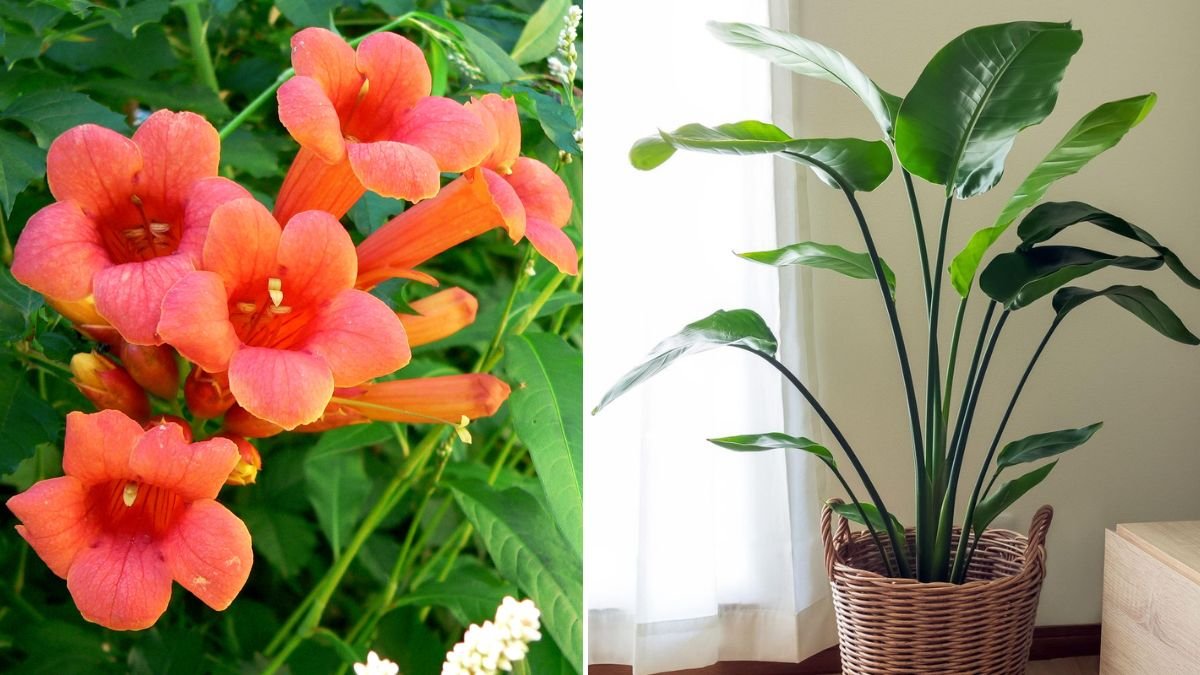
Trumpet Vine
Trumpet vine grows quickly and sends out aerial roots that stick to surfaces just like ivy. If planted near a house, it will quickly spread across walls, gutters, and rooflines. Removing it can be difficult without damaging the structure underneath.
Wisteria
Wisteria is beautiful, but it grows aggressively and becomes woody and heavy as it matures. When planted too close to buildings, it can pull down gutters, bend trellises, and even damage rooflines as it spreads.
Shrubs That Should Be Kept at a Distance
Privet
Privet hedges are often used for privacy, but they grow thick and dense, restricting airflow around walls. This creates a damp environment where mold, mildew, and insects thrive. Privet also has strong roots that can interfere with foundations and underground pipes if planted too close.
Lilac
Lilacs are beloved for their fragrant flowers, but they develop large, woody root systems. When planted near a house, those roots can slowly disrupt foundations and plumbing. They also grow wide, making them harder to maintain in tight spaces.
Moisture-Loving Plants and Their Risks
Plants that require large amounts of water can also be problematic near a home. Their roots constantly seek moisture, often finding it near foundations, pipes, or basements. Over time, this can destabilize soil and cause settling or cracks. Trees like willow and eucalyptus are especially problematic in this regard, but many thirsty plants can create similar issues when planted too close.
How These Plants Damage Homes
Roots are one of the biggest threats. As they grow and thicken, they push against concrete, brick, and pipes. Even small cracks become pathways for roots to enter, leading to more severe damage over time.
Above ground, vines and dense shrubs trap moisture against walls. This leads to peeling paint, rotting wood, and the growth of mold and mildew. Moisture can also attract termites and other pests that further damage your home.
Leaves and falling branches clog gutters and drains. When water cannot flow freely away from your house, it pools near the foundation. Over time, this weakens the structure and increases the risk of basement leaks and foundation cracks.
Safer Landscaping Practices Near Your Home
The best way to protect your house is to give plants plenty of space. A good general rule is to plant trees at least as far away as their expected mature width. Large trees may need to be 20 feet or more from a house, while shrubs should be planted at least half their mature width away from walls.
Choose smaller, shallow-rooted plants for areas close to your home. Ornamental grasses, low-growing flowers, and compact shrubs are much safer choices. These plants add beauty without posing a threat to your foundation or siding.
Container gardening is another smart option. If you love a plant that tends to spread or grow aggressively, planting it in a pot allows you to enjoy it without risking damage to your home.
Final Thoughts
Plants can bring life, color, and comfort to your home’s exterior—but only when chosen and placed wisely. Large trees, invasive roots, and aggressive vines may look harmless at first, but over time they can cause expensive and serious structural problems. By avoiding problem plants near your house and choosing safer alternatives, you protect both your landscape and your home.