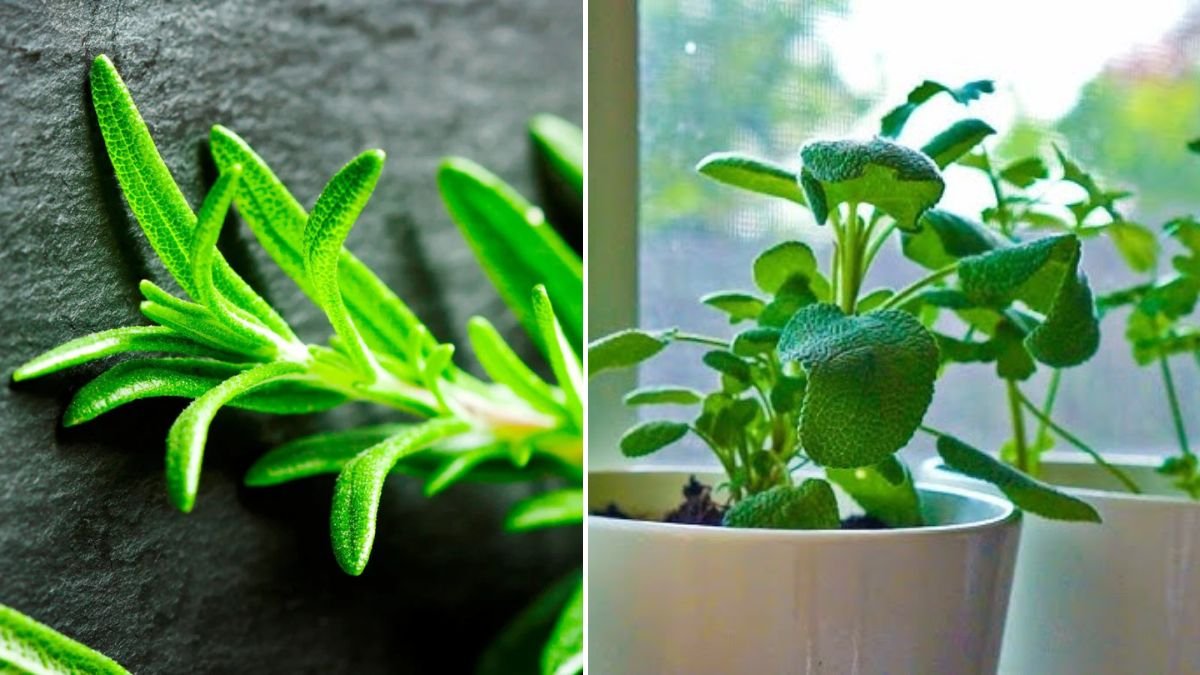
Why grow food indoors?
Indoor gardening gives you total control over light, temperature, and moisture, which means fewer pests, fewer weather problems, and consistent harvests. You can snip herbs while you cook, harvest greens for salads in minutes, and even regrow certain vegetables from kitchen scraps. Beyond convenience, indoor plants also improve air quality, add beauty to your space, and help you reconnect with where your food comes from.
The 10 easiest herbs to grow inside
Herbs are the perfect starting point. They’re compact, forgiving, and incredibly useful in the kitchen.
1. Basil
A must-have for pesto, pasta, and salads. Basil loves warmth and bright light. Keep the soil evenly moist and pinch the tips often to encourage bushy growth.
2. Cilantro (Coriander)
Fresh cilantro adds punch to curries, tacos, and chutneys. It prefers cooler indoor temperatures and bright, indirect light. Harvest leaves frequently to delay flowering.
3. Chives
Chives are one of the easiest herbs to grow indoors. They tolerate lower light and regrow quickly after cutting. Snip the green tops as needed for eggs, soups, and potatoes.
4. Parsley
This nutrient-rich herb grows well in moderate light and steady moisture. Curly or flat-leaf parsley can be harvested leaf by leaf for months.
5. Dill
With its feathery leaves and bright flavor, dill is great for fish and pickles. It needs a sunny window and a bit of space for its tall, airy growth.
6. Mint
Perfect for teas, desserts, and drinks. Mint grows vigorously, so keep it in its own pot. It thrives in bright light but tolerates partial shade.
7. Oregano
A Mediterranean favorite that enjoys sun and well-drained soil. Oregano is compact and productive when trimmed regularly.
8. Thyme
This low-growing herb is aromatic and resilient. It likes bright light and slightly drier soil than most herbs.
9. Rosemary
Rosemary prefers lots of sun and good air circulation. It’s slow-growing but worth the wait for its bold, piney flavor.
10. Sage
Sage is hardy and thrives in bright light. Its soft, gray-green leaves are perfect for savory dishes and herbal teas.
The 10 best vegetables to grow inside
Vegetables need a bit more light and space, but many adapt beautifully to indoor life—especially leafy greens and compact varieties.
11. Lettuce
Loose-leaf and butterhead lettuces are ideal indoors. They grow fast and can be harvested “cut-and-come-again,” allowing multiple harvests from one plant.
12. Spinach
Spinach loves cooler indoor temperatures and moderate light. It’s perfect for salads, smoothies, and quick sautés.
13. Kale
A powerhouse green that handles indoor conditions well. Pick outer leaves to keep the plant producing.
14. Radishes
These are among the quickest vegetables you can grow. Some varieties mature in just three to four weeks, making them fun and rewarding.
15. Carrots (short varieties)
Look for compact or round carrot types that grow well in containers. They need deeper pots but not much width.
16. Green onions (scallions)
You can grow these from seed or simply regrow them from grocery store root ends placed in water or soil.
17. Peas (dwarf or bush types)
Peas need bright light and a small trellis or support. They’re productive and add a touch of vertical greenery indoors.
18. Peppers (dwarf varieties)
Compact hot or sweet pepper plants thrive in sunny windows or under grow lights, producing colorful, flavorful fruits.
19. Garlic greens
Plant garlic cloves and harvest the tender green shoots. They taste like mild garlic and are great in stir-fries and salads.
20. Microgreens
These tiny seedlings of radish, broccoli, peas, basil, and more are harvested just days after sprouting. They’re packed with nutrients and need minimal space.
What your indoor garden needs to succeed
Light
Most herbs and vegetables need at least six hours of bright light per day. A south- or west-facing window is ideal. If natural light is limited, a simple LED grow light can make all the difference.
Containers
Choose pots with drainage holes. Shallow, wide containers are great for greens and herbs, while deeper pots are needed for carrots and radishes.
Soil
Use a high-quality, well-draining potting mix. Garden soil is too heavy and can lead to poor drainage and root problems.
Water
Keep soil evenly moist but not soggy. Most indoor plants prefer slightly damp soil, but never let roots sit in standing water.
Air & temperature
Most indoor edibles like temperatures between 18–24°C (65–75°F). Avoid cold drafts and overly dry air from heaters.
Feeding
Because nutrients wash out of pots quickly, use a gentle liquid fertilizer every two to three weeks to keep plants productive.
How to harvest for continuous growth
One of the joys of indoor gardening is the ability to harvest often. For herbs and leafy greens, never remove more than one-third of the plant at a time. Regular trimming encourages new growth and prevents plants from becoming leggy or flowering too soon. With lettuce, kale, basil, and herbs like parsley and cilantro, you can enjoy multiple harvests from a single planting.
The real benefits of growing inside
An indoor edible garden saves money, reduces food waste, and gives you ultra-fresh produce with zero pesticides. It also makes cooking more exciting—imagine adding freshly cut basil to a pizza or a handful of homegrown spinach to a smoothie. On top of that, tending plants reduces stress and brings a bit of green life into your home, even in the middle of winter.