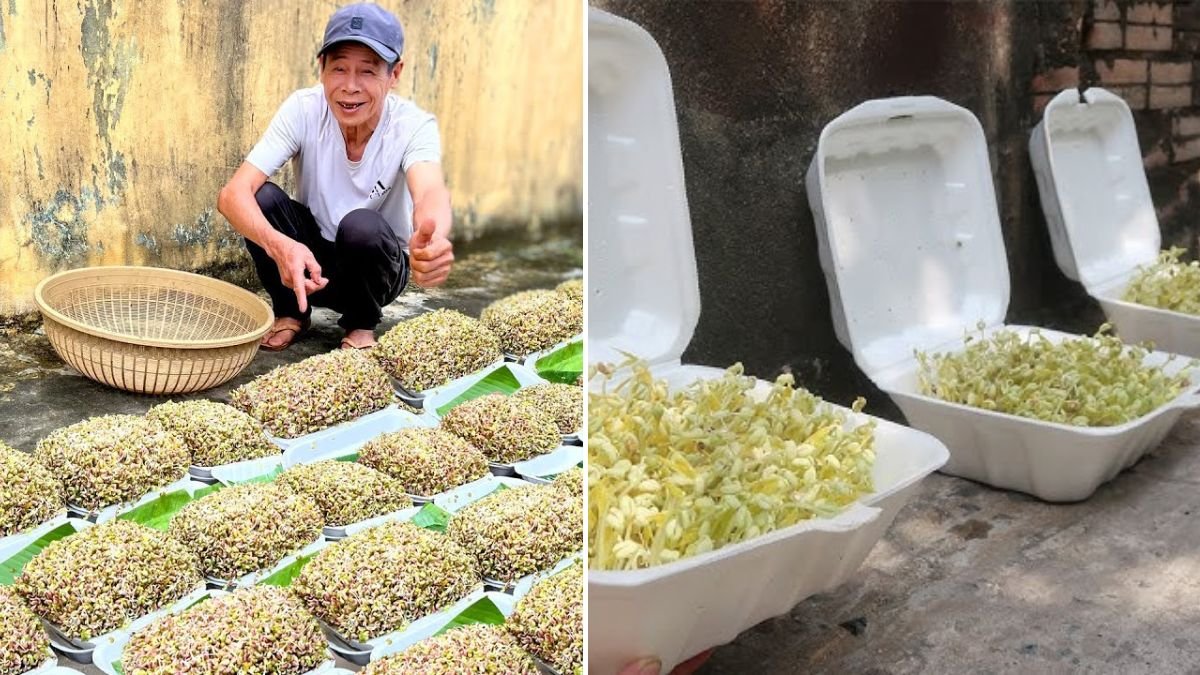
Why Grow Bean Sprouts at Home?
Bean sprouts are fast-growing, inexpensive, and highly nutritious. Here’s why home sprouting is a great idea:
- Freshness – Homegrown sprouts are crisp and tender, offering a flavor far superior to store-bought varieties.
- Cost-Effective – A small pack of beans can produce multiple harvests over several weeks.
- Chemical-Free – You control what goes into your sprouts, eliminating pesticides or preservatives.
- Space-Efficient – You don’t need a garden; a small foam box or container is enough.
- Sustainable – Reduces packaging waste and reliance on commercial produce.
Sprouting at home also fits well with modern urban lifestyles, especially for apartment dwellers or those with limited outdoor space. The foam box method combines insulation, cleanliness, and ease of use, making it perfect for beginners and experienced home gardeners alike. (homesandgardens.com)
Materials Needed
You don’t need a lot to start growing bean sprouts. Here’s a simple list:
- Dried mung beans (or other sprouting beans like adzuki or lentils)
- Foam box (polystyrene container with lid)
- Damp cloth, tissue, or thin paper to hold moisture
- Clean water for soaking and rinsing
- Spray bottle to mist beans
- Optional: Drill or sharp tool for drainage holes
Foam boxes are inexpensive, lightweight, and easy to clean. They help maintain consistent moisture and temperature for faster sprouting. Many gardeners even repurpose old packaging boxes, making this method sustainable and cost-effective. (mytour.vn)
Step 1: Soak the Beans
The first step in sprouting is soaking. Rinse your beans thoroughly to remove any dust or debris, then soak them in clean water for 8–12 hours or overnight. Soaking softens the seed coat, triggers germination, and ensures uniform growth. This step also makes the sprouts plumper and easier to grow in a confined container. (taim.io)
Step 2: Prepare the Foam Box
- Line the bottom of the foam box with a damp cloth, paper towel, or thin tissue to maintain moisture.
- Spread the soaked beans evenly across the cloth. Avoid overcrowding to allow adequate airflow.
- Mist lightly with water to keep the cloth damp but not soggy.
The foam box keeps the environment warm and stable, while the damp cloth ensures consistent moisture without waterlogging. Proper preparation at this stage prevents mold growth and promotes healthy sprouts. (mytour.vn)
Step 3: Maintain Moisture and Ventilation
- Mist the beans twice daily to keep the cloth moist.
- If your foam box has drainage holes, drain excess water to prevent waterlogging.
- Keep the box in a cool, shaded area — avoid direct sunlight as it can dry out the sprouts or encourage bacterial growth.
Proper moisture and airflow are essential to producing plump, crisp sprouts while avoiding sliminess or mold. Regular rinsing and misting also help keep the sprouts fresh and safe. (amazingfoodanddrink.com)
Step 4: Encourage Plump Growth
Unlike traditional jar sprouting, the foam box method allows sprouts to grow vertically and horizontally, which encourages thicker, plumper growth. Covering the box with a slightly ventilated lid maintains humidity while preventing the sprouts from drying out. Some gardeners lightly press a small board on top once roots begin forming — a trick used in commercial sprouting to produce sturdier sprouts. (reddit.com)
Step 5: Harvesting
Within 3–5 days, your bean sprouts will be ready to harvest. Indicators include:
- Length of 1–3 inches
- Crisp, white appearance
- Healthy roots visible at the base
Rinse thoroughly before consuming. Store unused sprouts in an airtight container lined with paper towels to absorb excess moisture. Sprouts are best consumed fresh but can be refrigerated for 2–3 days. (homesandgardens.com)
Safety Tips
Because bean sprouts grow in moist conditions, hygiene is critical to avoid bacterial contamination:
- Always sanitize your foam box and tools before use.
- Use clean, potable water for soaking and rinsing.
- Avoid direct sunlight and high heat to reduce bacterial risk.
- Discard any sprouts that appear slimy, discolored, or smell off.
By following these simple precautions, you can enjoy safe, nutritious sprouts at home. (taim.io)
Background Context: DIY Home Sprouting
Home sprouting is increasingly popular among urban gardeners and health-conscious individuals. Sprouts are among the fastest-growing vegetables, providing fresh nutrition in just days. The foam box technique offers a simple, space-efficient solution, making sprouts accessible to anyone, even in apartments or small homes. It aligns with sustainable living practices, reducing packaging waste and giving control over food quality. (gathera.com)
Benefits of Foam Box Sprouting
- Cost-Effective: Minimal investment in beans and a foam box produces multiple harvests.
- Fast: Harvest-ready in just 3–5 days.
- Safe: Easy to maintain hygiene with proper rinsing and clean water.
- Space-Saving: Ideal for apartments, small kitchens, or limited outdoor areas.
- Eco-Friendly: Reuse foam boxes or other insulated containers to reduce waste.
This method combines speed, affordability, and safety, making it perfect for families, small-scale urban farmers, and DIY enthusiasts.
Authoritative Sources
For further reading and expert guidance:
- Homes & Gardens – How to Grow Your Own Bean Sprouts: Step-by-step instructions for home sprouting (homesandgardens.com)
- Taim – Growing Delicious Bean Sprouts: Comprehensive advice on sprouting and hygiene (taim.io)
- Cultures for Health – Sprouting Safety: Tips to prevent mold and bacterial contamination (culturesforhealth.com)
Conclusion
Growing bean sprouts in a foam box is one of the easiest, cheapest, and safest ways to enjoy fresh, homegrown sprouts. With minimal materials, regular misting, and good hygiene, you can produce plump, crunchy sprouts in just a few days. This technique is perfect for urban gardeners, apartment dwellers, or anyone wanting to eat healthier while reducing grocery costs. [FOCUS KEYWORD]
Start your foam box sprouting project today, and enjoy the satisfaction of harvesting your own fresh, nutrient-rich bean sprouts — fast, safe, and delicious!