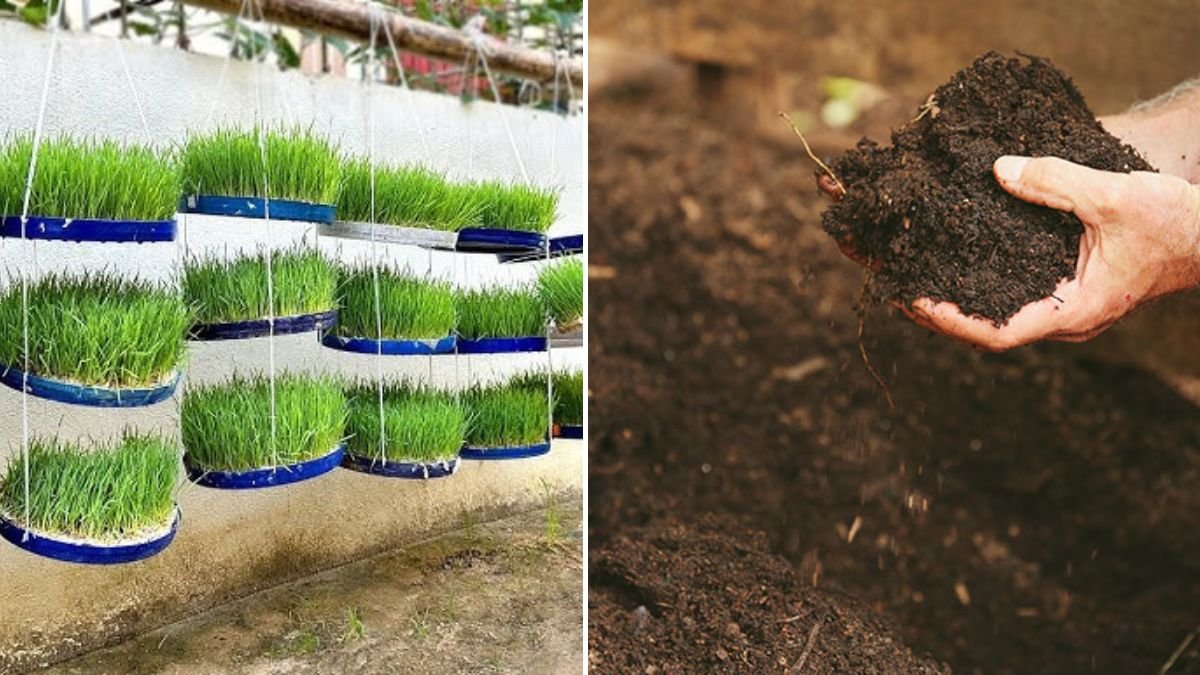
What Does It Mean to Grow Plants Without Soil?
Growing plants without soil involves hydroponics, aeroponics, or water culture, where plants’ roots absorb nutrients from water rather than traditional soil. Hydroponics is especially popular because it delivers nutrients directly to the roots, accelerating growth, increasing yields, and using water more efficiently.
Water propagation is a beginner-friendly way to grow plants without soil. For example, you can root mint, pothos, or spider plants in jars of water. Unlike soil gardening, the roots are visible, making the process engaging and educational, especially for children or beginners. (timesofindia.indiatimes.com)
Hydroponics and aeroponics take soil-free growing to the next level by combining water, nutrients, and sometimes misting techniques to create controlled growth environments suitable for herbs, vegetables, and leafy greens. These methods have been widely adopted in urban farming, schools, and commercial cultivation, proving that soil isn’t essential for productive gardens.
Why Soil-Free Gardening is Trending Now
Soil-free gardening is gaining popularity due to urbanization, limited garden space, and the desire for fresh, pesticide-free produce at home. Examples from India and abroad show the trend’s potential:
- In Kerala, farmers grow lettuce, kale, celery, and basil using hydroponic water systems without soil, reducing land use and ensuring year-round production. (onmanorama.com)
- In Bihar, a low-cost PVC-based hydroponic setup allows local growers to cultivate more than two dozen vegetables using only water and nutrients, saving land and resources. (ndtv.in)
- Schools are using hydroponics to grow vegetables for midday meals, demonstrating how soil-free gardening can contribute to sustainable food systems and education. (timesofindia.indiatimes.com)
This trend also aligns with modern lifestyles, allowing urban residents to grow fresh produce indoors or in small outdoor spaces year-round.
Easy Methods to Grow Plants Without Soil at Home
Several techniques make soil-free gardening accessible to beginners and advanced gardeners alike.
1. Water Culture (Simple Water Propagation)
Water culture is the simplest way to grow plants without soil. Many herbs and houseplants thrive in plain water:
- Pothos: Develops roots quickly in jars of water. (timesofindia.indiatimes.com)
- Mint: Grows vigorously from cuttings submerged in water. (hindi.asianetnews.com)
- Spider Plant & Philodendron: Root easily in water jars, making them ideal for indoor decoration.
Steps to propagate in water:
- Take a healthy cutting with at least one node.
- Place it in clean water in a transparent container.
- Change water weekly and add a diluted hydroponic nutrient solution for faster growth.
This method is ideal for beginners because it’s low-cost, visually satisfying, and reduces soil-related pests and diseases.
2. Hydroponics: Advanced Soil-Free Growing
Hydroponics provides plants with all nutrients directly in water, allowing faster growth and higher yields than soil gardening. Popular hydroponic techniques include:
- Deep Water Culture (DWC): Plants float on platforms with roots submerged in oxygenated nutrient water.
- Nutrient Film Technique (NFT): A thin film of nutrient-rich water flows continuously over roots.
- Aeroponics: Roots are periodically misted with nutrient solution, maximizing oxygen availability.
Hydroponic systems can be DIY setups using buckets and PVC pipes, or automated commercial setups with pumps and timers. They are ideal for indoor gardening, urban farms, and anyone wanting a productive garden without soil. (indiatimes.com)
3. Indoor Smart Gardens
Smart gardens combine water culture with LED grow lights and nutrient delivery systems. They are compact, automated, and perfect for apartments. Vertical hydroponic towers and countertop gardens can grow herbs, leafy greens, and microgreens year-round, making them a great choice for urban homes. (navbharattimes.indiatimes.com)
Benefits of Soil-Free Gardening
- Water Efficiency: Hydroponic systems use up to 95% less water than traditional soil gardening.
- Faster Growth: Nutrients are delivered directly to roots, promoting faster growth and higher yields.
- Fewer Pests and Diseases: Eliminates many soil-borne pests and reduces pesticide use.
- Year-Round Cultivation: Indoor hydroponics allows continuous harvests regardless of outdoor seasons.
- Space Efficiency: Vertical and container-based systems save space, perfect for urban settings.
Plants That Thrive Without Soil
Many plants can grow successfully without soil, including:
- Herbs: Mint, basil, coriander — perfect for water propagation. (indiatimes.com)
- Houseplants: Pothos, spider plants, philodendron — decorative and easy to grow in jars.
- Hydroponic Vegetables: Lettuce, kale, spinach, and microgreens — ideal for water culture and indoor systems. (onmanorama.com)
Tips for Successful Soil-Free Gardening
- Use clean, filtered water to prevent stagnation.
- Add hydroponic nutrients for complete plant nutrition.
- Keep water oxygenated with aerators or pumps.
- Provide adequate light, either natural sunlight or LED grow lights.
- Monitor plant health and change nutrient solutions periodically.
These simple practices ensure robust plant growth, healthier foliage, and continuous harvests.
Authoritative Sources
- Times of India — Plants That Grow Without Soil (timesofindia.indiatimes.com)
- Onmanorama — Hydroponics Farming Success Story (onmanorama.com)
- Indian Students’ Hydroponic Innovation (indiatimes.com)
- Navbharat Times — Indoor Hydroponic Systems (navbharattimes.indiatimes.com)
- Asianet News — Growing Mint in Water (hindi.asianetnews.com)
Conclusion
Soil-free gardening, whether through simple water propagation or advanced hydroponics, is no longer a futuristic idea. It’s accessible, efficient, and perfect for modern lifestyles. With water, nutrients, and light, you can grow herbs, vegetables, and decorative plants anywhere and anytime.
From jars of mint and pothos on your windowsill to automated hydroponic towers producing lettuce and kale, this method makes gardening clean, space-efficient, and highly productive. Try it once — and you may find yourself hooked on soil-free growing!