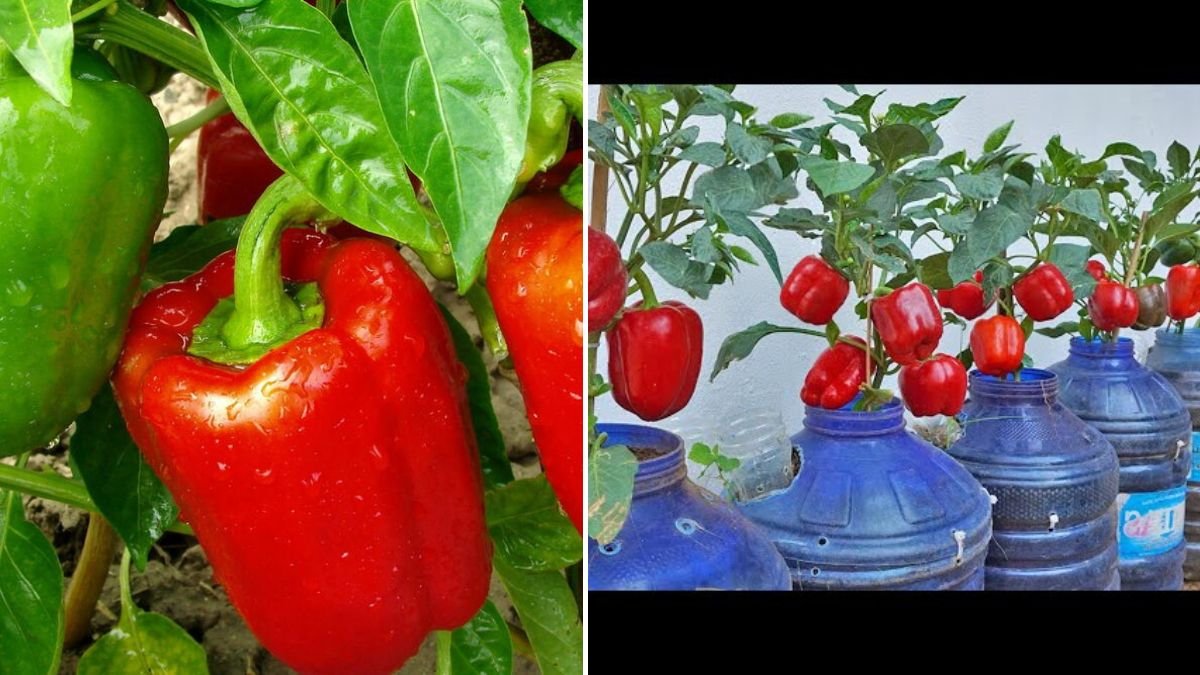
🌱 Introduction: The Surprising Ease of Growing Bell Peppers
When most gardeners hear bell peppers, they think of finicky plants that need perfect soil, precise watering, and a long growing season to thrive. But after trying a simple and effective method that works in containers, raised beds, and small gardens alike, many enthusiasts are surprised at how stress-free bell pepper cultivation can be — even for beginners. In this article, we’ll walk through the method step-by-step, explain why it works, and offer tips you can start using today to grow beautiful, healthy bell peppers with confidence.
🧠 Background: Why Some Gardeners Struggle (and How to Fix It)
Bell peppers (Capsicum annuum) are warm-season vegetables that prefer consistent moisture, good sunlight, and nutrient-rich soil. What often causes problems is soil that’s too heavy, inconsistent watering, or lack of sunlight — all of which can lead to poor fruit set or plant stress. By addressing these key areas with an easy method, you set yourself up for success from the start.
🧺 The “Easy Bell Pepper Method” — Step by Step
This method focuses on container gardening, right soil mix, and simple plant care — perfect for small spaces like patios, balconies, or even indoor setups near sunny windows.
1. Choose the Right Container or Space
Whether you use a garden bed or containers, it’s important to give bell peppers adequate room for roots. For pots:
- Use containers that are at least 12 inches deep and 12 inches wide — ideally 5 gallon (≈19 L) or larger.
- Make sure containers have good drainage holes to prevent waterlogging.
This container size supports adequate root growth, helps balance moisture levels, and makes watering easier. Small containers may dry too quickly and stress the plant.
2. Use the Right Soil Mix — Light, Nutrient-Rich, Well-Drained
One of the biggest mistakes is using heavy garden soil that compacts easily. Instead:
- Use a high-quality potting mix designed for vegetables.
- Add organic matter like compost or vermicompost — this improves nutrient availability and soil structure in containers.
- Avoid garden soil that quickly compresses and restricts airflow to the roots.
Good soil encourages strong root development and steady plant growth — essential for peppers to flower and fruit.
3. Planting and Spacing
If starting from seeds:
- Sow seeds indoors 8–10 weeks before the last frost.
- Transplant seedlings outdoors or into larger containers once they have several true leaves.
If using young plants from a nursery, transplant gently to avoid damaging roots and space plants so leaves don’t crowd each other (about 18–24 inches apart in garden beds or one per large pot).
4. Sunlight and Temperature — Give Them What They Love
Bell peppers thrive with:
- 6–8 hours of direct sunlight daily — this drives photosynthesis and fruiting.
- Warm temperatures — ideal daytime temps between 70–90 °F (21–32 °C).
Because they are tropical by nature, cool temperatures or frost can stop growth or damage plants. In hot climates, light shade during peak heat hours can help prevent flower drop.
5. Watering — Deep and Consistent Beats Frequent Shallow Doses
Bell peppers prefer moist but not waterlogged soil.
- Water when the top inch of soil feels dry, and water deeply to encourage strong root systems.
- In hot weather, containers may need watering daily.
- Avoid overwatering, which invites root rot and reduces fruit set.
Mulching around the base also helps maintain moisture and keeps soil temperatures stable.
6. Fertilizing — Feed for Fruit, Not Just Foliage
Once peppers start to flower:
- Use a balanced fertilizer, or one slightly higher in potassium/phosphorus to encourage blooming and fruiting.
- Avoid overusing nitrogen, which can lead to lush leaves but few fruits.
A schedule of feeding every 2–3 weeks during the growing season supports consistent production.
7. Support and Pruning — Promote Strong Growth
As fruit sets and becomes heavy:
- Stake plants or use small cages to prevent branches from snapping.
- Prune early leaves or lower branches to improve air circulation and reduce disease risk.
Removing crowded foliage helps the plant focus energy on fruit development rather than unnecessary growth.
8. Harvesting — Pick at the Right Time
Regular harvesting encourages more fruit production. Snip peppers when they reach full size and vibrant color. Overripe fruits will taste sweeter with higher vitamin content.
🌟 Why This Method Works — Even for Beginners
This approach works because it simplifies the key needs of bell peppers:
- Controlled conditions with containers mean fewer soil problems.
- Good light, water, and feeding routines minimize stress on plants.
- Support and pruning help plants allocate energy to fruit production.
Even gardeners who’ve had trouble in the past find this method more forgiving. It removes guesswork and focuses on consistent basics — the real secret behind easy bell pepper gardening.
📌 Common Mistakes and How to Avoid Them
Even with a good method, gardeners can slip up. Here’s what to watch for:
❌ Too little light: Peppers will grow spindly and produce less fruit.
✔️ Solution: Choose south-or west-facing spots or supplement with grow lights.
❌ Overwatering: Leads to root rot and nutrient issues.
✔️ Solution: Water deeply, let topsoil dry slightly, and check drainage.
❌ Ignoring temperature: Cold or extreme heat harms fruit set.
✔️ Solution: Provide shade or move containers when necessary.
📚 Recommended Authoritative Sources
For further detailed guidance:
- Old Farmer’s Almanac – Growing Bell Peppers – comprehensive tips on watering, soil, and harvesting.
- Times of India – Tips to Grow Capsicum in a Pot – potting mix and fertilization insights.
- Miklix – Growing Bell Peppers in Containers – container planting and care basics.
- EarthBox – Step-by-Step Container Guide – watering and temperature specifics.
These sources give deeper explanations of pepper care, including advanced troubleshooting and seasonal tips.
🌿 Final Takeaway: You Can Grow Bell Peppers Easily
Gone are the days when bell pepper gardening had to be stressful or confusing. With the right setup, soil, sunlight, and consistent care, even beginners can grow abundant peppers in small spaces with minimal fuss.
Whether you live in an apartment, have a tiny balcony, or a backyard garden, this method makes bell pepper growing not only possible but enjoyable. Start small, stick to the basics above, and you’ll be harvesting colorful, flavorful bell peppers before you know it!