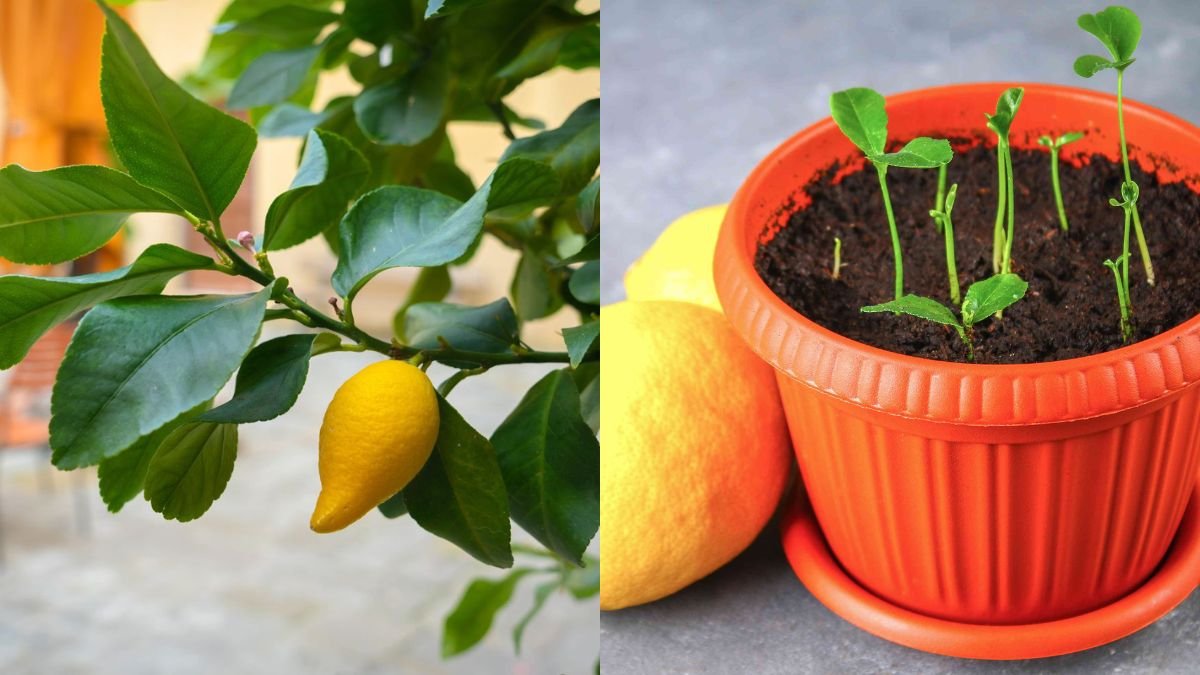
Why Growing Lemons Without New Seedlings Works
Most people believe lemon trees must be purchased from a nursery to produce fruit. While that is one option, it is not the only one. Lemon trees can be easily propagated from cuttings taken from mature plants. These cuttings grow into new trees that have the same genetic qualities as the parent, meaning they will produce the same high-quality fruit. Even better, trees grown from cuttings often start producing lemons faster than those grown from seed because they come from mature, fruit-producing branches.
By using this method, you can create an unlimited supply of lemon trees from just one healthy plant. Once you have one productive tree, you no longer need to spend money on new seedlings ever again.
Step One: Propagating Lemon Trees From Cuttings
The secret to growing lemons year-round without buying new plants lies in propagation. This method allows you to turn one tree into many.
Selecting the Right Cutting
Choose a healthy lemon tree that is already producing fruit. Look for a semi-hardwood branch that is about 6 to 8 inches long. It should be green, firm, and free from flowers or fruit. Avoid soft young shoots or old woody branches.
Cut the branch cleanly using sharp pruning shears. Remove the leaves from the bottom half of the cutting to prevent moisture loss and to encourage the plant to focus its energy on growing roots.
Preparing the Cutting for Rooting
To help roots develop faster, lightly scrape the bark at the bottom of the cutting. This exposes the inner layer and stimulates root formation. You can dip the cut end into a natural or commercial rooting hormone, although this step is optional. Aloe vera gel or cinnamon powder can work as natural rooting aids.
Plant the cutting into a light, well-draining growing medium made from a mix of sand, coco peat, compost, and garden soil. Water it gently and cover it with a plastic bottle or clear plastic bag to create humidity. Place it in a warm, bright area with indirect sunlight.
Within three to six weeks, roots will begin to form, and your new lemon tree will start growing.
Creating the Perfect Environment for Lemon Trees
Once your lemon cutting has rooted, it is time to give it the environment it needs to thrive and eventually produce fruit.
Sunlight and Temperature
Lemon trees love sunlight. They need at least 8 hours of bright light daily to flower and produce fruit. If you are growing indoors, place the plant near a sunny window or use grow lights.
Temperature is also important. Lemon trees grow best in warm conditions between 21°C and 30°C. If temperatures drop too low, growth slows and fruit production decreases. This is why potted lemon trees are perfect—they can be moved indoors during cold months and outdoors when it is warm.
Soil and Drainage
Lemons require well-draining soil. If water sits in the roots for too long, the plant can develop root rot. Use a potting mix that contains compost, sand, and perlite or coco peat. The soil should hold moisture but still allow excess water to drain away.
Make sure your container has drainage holes at the bottom. This allows extra water to escape and keeps the roots healthy.
Feeding Your Lemon Tree for Continuous Growth
For year-round lemon production, your tree needs consistent nutrients. Citrus trees are heavy feeders, meaning they require more nutrients than many other plants.
Use organic compost, vermicompost, or a citrus-specific fertilizer every four to six weeks during the growing season. Banana peels, composted kitchen scraps, and diluted compost tea are excellent natural feeding options. Magnesium is also important for citrus trees, so occasionally adding a small amount of Epsom salt can improve leaf health and flowering.
During winter, reduce feeding slightly, as the plant’s growth slows.
Pruning for Better Fruit Production
Pruning plays a key role in keeping lemon trees productive. It helps shape the tree, improve airflow, and direct energy toward fruiting branches.
Remove dead, damaged, or weak branches. Trim back overly long shoots to encourage bushier growth. Always prune after harvesting lemons so the tree can produce new branches that will carry flowers for the next fruiting cycle.
Regular pruning ensures the tree stays compact and healthy, especially when grown in pots.
Hand Pollination for Indoor Trees
When lemon trees grow outdoors, bees and insects handle pollination. However, indoor trees may need a little help.
To hand-pollinate, gently touch the center of a flower with a soft paintbrush or cotton swab. Then brush another flower. This transfers pollen and increases the chance of fruit forming. This simple step can significantly improve lemon production for indoor plants.
Keeping Pests Away Naturally
Healthy lemon trees are less likely to attract pests, but sometimes insects such as aphids, whiteflies, and spider mites can appear. These pests can damage leaves and reduce fruiting.
Spraying the leaves with diluted neem oil or soapy water every two weeks helps keep pests under control. Regularly wiping leaves with a damp cloth also removes dust and insects while improving the plant’s ability to absorb sunlight.
Mulching and Moisture Control
Adding mulch around the base of the lemon tree helps retain moisture, keep roots cool, and prevent weeds. Use dry leaves, straw, or compost as mulch. This simple step improves soil health and reduces watering needs.
Water your lemon tree deeply but not too frequently. Let the top layer of soil dry slightly between waterings to prevent root problems.
Harvesting Lemons Correctly
Lemons are ready to harvest when they turn bright yellow and feel firm but slightly soft. They should also give off a fresh citrus scent.
Use clean scissors or pruning shears to cut the fruit from the branch. Avoid pulling the lemons, as this can damage the tree. Regular harvesting encourages the tree to produce more fruit.
Why This Method Saves Money and Time
By propagating lemon trees from cuttings and caring for them properly, you can maintain an endless cycle of lemon production. Each mature tree can provide cuttings for new plants, ensuring you never have to buy seedlings again.
This method also allows you to grow lemons in small spaces, containers, or even indoors. Whether you live in a house, apartment, or balcony flat, you can enjoy fresh lemons all year long with this sustainable approach.
Final Thoughts
Growing lemons all year round without buying new seedlings is not only possible—it is simple, cost-effective, and highly rewarding. By using cuttings from a healthy tree, providing proper sunlight, feeding the soil, and maintaining consistent care, you can enjoy an endless supply of fresh lemons straight from your home garden.
Once you start this cycle, your lemon tree becomes a permanent source of fruit, saving money and giving you the satisfaction of growing your own food. With patience and the right techniques, your home can become a year-round lemon orchard.