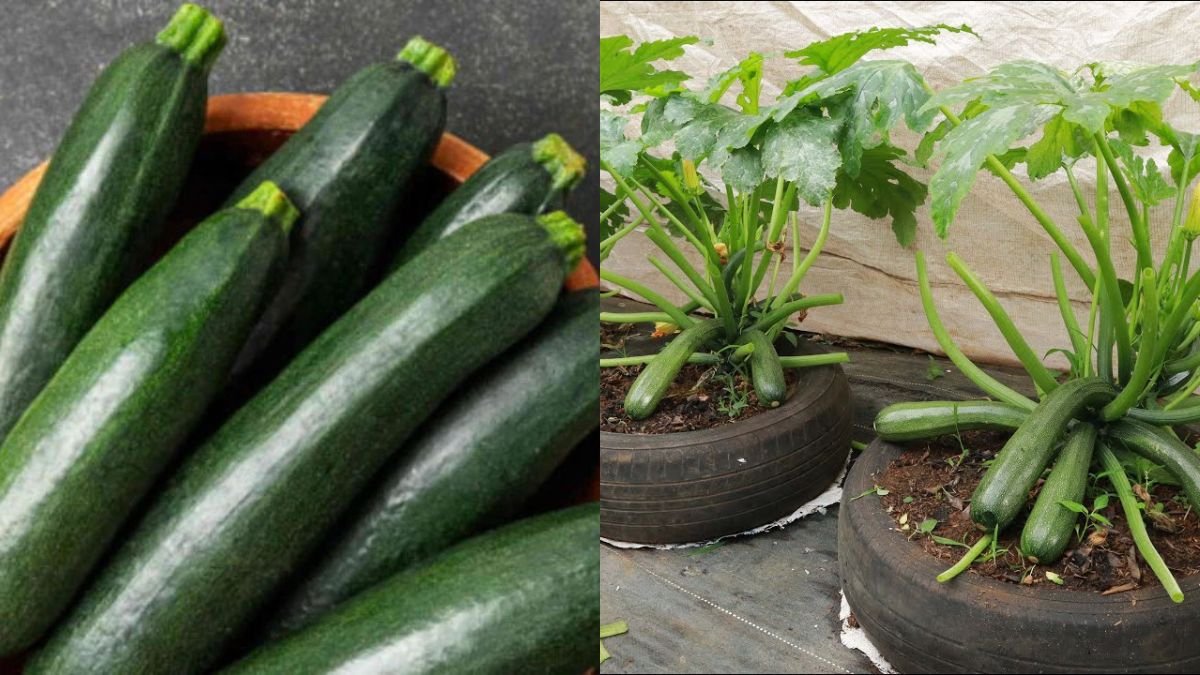
Why Zucchini Is a Great Home Garden Crop
Zucchini offers numerous advantages that make it ideal for home gardeners:
- Fast growth and high yield: One plant can produce dozens of fruits in a single season, sometimes multiple harvests per week. (bloomingreen.com)
- Easy to grow: Zucchini is hardy, heat-tolerant, and adaptable to different soils and container systems. (growcycle.com)
- Versatile in the kitchen: From stir-fries and soups to bread and zucchini noodles, it is a highly adaptable vegetable. (growcycle.com)
- Cost-effective and sustainable: Growing zucchini at home reduces grocery costs and encourages eco-friendly practices. (growcycle.com)
These qualities make zucchini one of the most rewarding vegetables for home gardeners, whether you’re a beginner or an experienced grower.
1. Choose the Right Variety for Maximum Yield
Not all zucchini varieties are equally productive. Some are known for their high yield, disease resistance, and compact growth, which is ideal for small spaces:
- ‘Black Beauty’: Classic dark green zucchini with a long harvest season. (gardeningsite.com)
- ‘Cocozelle’: Italian heirloom variety that produces long, tender fruits quickly. (bloomingreen.com)
- ‘Raven’: Compact and suitable for containers or smaller gardens. (gardeningsite.com)
Selecting a productive and appropriate variety is the first step toward abundant zucchini harvests.
2. Provide Plenty of Sunlight
Zucchini thrives in full sun, needing at least 6–8 hours of direct light per day. Sunlight energizes the plant, encourages flowering, and improves fruit development. Lack of sunlight can result in poor growth, fewer flowers, and smaller yields. (plantisima.com)
If growing in containers or balcony planters, rotate pots throughout the day to maximize sun exposure, or supplement with LED grow lights if indoors. Reflective surfaces near the plants can also help increase light for better growth.
3. Start with Healthy, Well-Draining Soil
Zucchini is a heavy feeder, requiring nutrient-rich soil to support lush growth and continuous fruiting. A well-prepared soil mix ensures plants remain healthy and productive. (tinygardenhabit.com)
Soil Preparation Tips:
- Mix compost or aged manure into garden beds or containers. (tinygardenhabit.com)
- Ensure good drainage to prevent waterlogging and root rot. (homesandgardens.com)
- Consider raised mounds or container planting to improve aeration and prevent compaction. (homesandgardens.com)
Healthy soil leads to strong roots, vibrant leaves, and more fruits throughout the season.
4. Water Consistently and Deeply
Zucchini plants require consistent moisture, especially during hot weather and flowering. Proper watering supports flower and fruit development, which directly impacts yield. (growcycle.com)
Watering Tips:
- Water at the base of the plant to keep leaves dry and reduce fungal diseases. (therike.com)
- Keep the soil moist but not waterlogged.
- Water early morning or late afternoon to minimize evaporation. (growcycle.com)
- Apply mulch to retain moisture and suppress weeds. (therike.com)
Proper hydration keeps zucchini plants vigorous and productive.
5. Fertilize for Continuous Growth
To sustain high yields, feed zucchini plants regularly:
- Apply a balanced fertilizer every 2–3 weeks during flowering. (therike.com)
- Organic options like compost tea or fish emulsion are excellent for steady nutrient supply. (tinygardenhabit.com)
Regular feeding ensures plants produce continuously throughout the season.
6. Encourage Pollination
Zucchini flowers are pollinated by bees and insects, which is essential for fruit formation. Without pollination, blossoms drop before producing fruit. (bloomingreen.com)
Pollination Tips:
- Plant bee-friendly flowers nearby (marigolds, lavender). (bloomingreen.com)
- Use a small brush or cotton swab to transfer pollen from male to female flowers if bees are scarce. (tinygardenhabit.com)
- Avoid pesticides during flowering. (bloomingreen.com)
Successful pollination ensures larger fruits and more consistent harvests.
7. Harvest Frequently
Zucchini produces best when fruits are picked young (6–8 inches long). Regular harvesting prevents the plant from slowing down and encourages continuous fruiting. (bloomingreen.com)
Large, overgrown zucchinis can reduce the plant’s productivity. Frequent harvesting maximizes yield and maintains fruit quality.
8. Manage Plant Space and Pests
Zucchini can spread aggressively. Managing plant space and pests is crucial:
- Use stakes or trellises to support sprawling vines. (dopegardening.com)
- Space plants properly in beds or containers to improve airflow. (slurrp.com)
- Remove low leaves to reduce disease risk. (bhg.com)
- Monitor for pests like squash bugs and cucumber beetles and use safe controls as needed. (growcycle.com)
Proper plant management ensures healthy, productive zucchini plants.
Authoritative Sources
- Homes and Gardens – How to Grow Zucchini: Step-by-step planting and care guide. (homesandgardens.com)
- GrowCycle – Zucchini at Home: Tips for maximizing yield and harvest frequency. (growcycle.com)
- PlantIsima – Tricks to Boost Zucchini Harvest: Sunlight and soil optimization strategies. (plantisima.com)
- Tiny Garden Habit – Tips for Big Zucchini Harvests: Expert guidance for container and garden planting. (tinygardenhabit.com)
Conclusion: Zucchini That Keeps Surprising You
Zucchini is a fast-growing, high-yield vegetable that responds beautifully to proper care. By selecting productive varieties, providing sunlight, preparing nutrient-rich soil, watering consistently, feeding regularly, and encouraging pollination, you can grow super productive zucchini at home—even in containers or small spaces.
Frequent harvesting and proper pest and space management ensure continuous fruiting and maximize your garden’s output. Moms, urban gardeners, and beginners alike are often astonished by how abundant zucchini can be with these strategies.