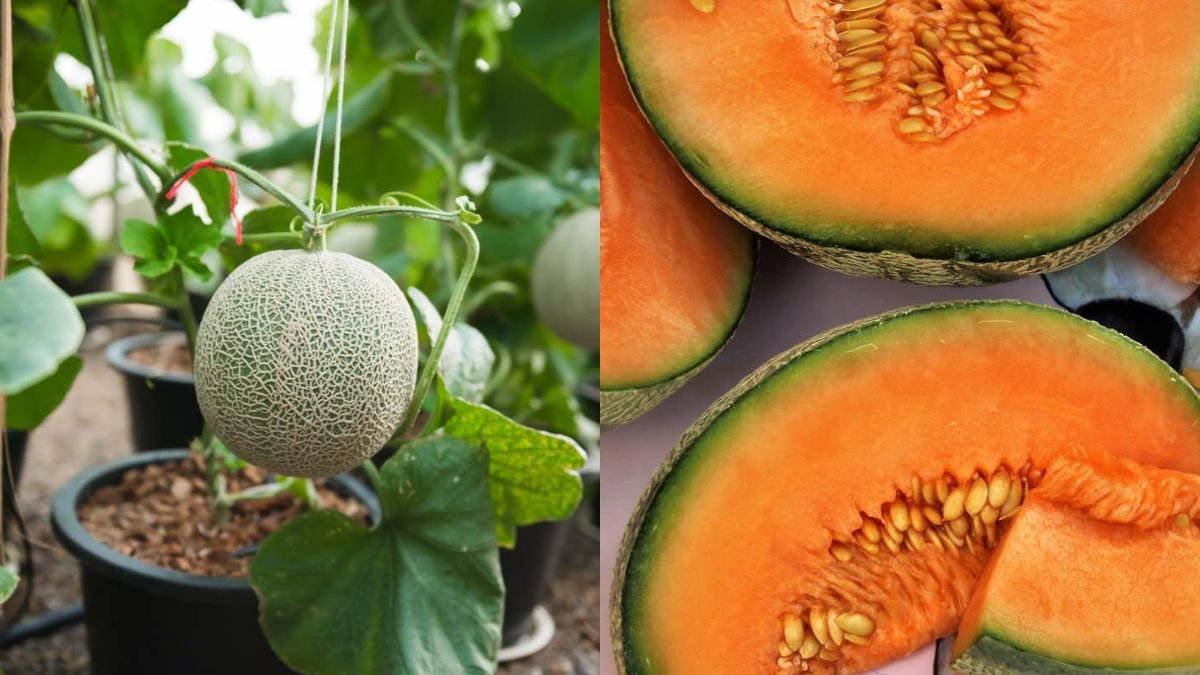
Melons are more than just tasty treats. They are nutrient-rich, hydrating fruits packed with vitamins A and C, antioxidants, and natural sugars. Growing your own melons ensures freshness, better flavor, and complete control over growing conditions — no pesticides, no chemicals. Additionally, melon plants are visually appealing, with sprawling vines and vibrant fruits adding beauty to your garden space.
Despite common misconceptions, melons are not inherently difficult to grow. With proper soil, sunlight, watering, and pollination strategies, even first-time gardeners can achieve amazing results with minimal stress. (rhs.org.uk)
Background Context: Melon Gardening Essentials
Warm Climate and Sunlight
Melons thrive in warm, sunny conditions. Ideally, daytime temperatures should hover around 25 °C (77 °F). They need at least six to eight hours of direct sunlight per day to produce high-sugar, flavorful fruits. Sunlight not only promotes photosynthesis but also encourages fruit ripening and sweetness.
Well-Drained, Nutrient-Rich Soil
Melons prefer light, sandy, or loamy soils that drain well while retaining enough moisture for roots. Adding compost or organic fertilizer before planting improves soil fertility, supports strong root development, and ensures plants have the nutrients needed for fruit growth. (rhs.org.uk)
Pollination is Key
Melons have male and female flowers, and successful pollination is essential for fruit development. Without it, flowers may drop or produce small, misshapen fruits. Attracting bees and other pollinators, or hand-pollinating using a small brush, ensures your melons develop properly. (gardeningsoul.com)
10 Guaranteed Success Tips for Beginner Melon Growers
Whether planting in raised beds, a backyard patch, or containers, these tips will increase your chances of a healthy, abundant harvest.
1. Choose the Right Variety
Select melon varieties suited to your climate and garden space. Watermelon, cantaloupe, and honeydew are beginner-friendly and reliable. Consider dwarf or bush varieties for small spaces, which grow well in containers or raised beds. (gardeningsoul.com)
2. Prepare the Soil Carefully
Loosen the soil to at least 30 cm depth. Incorporate compost or well-rotted manure to improve drainage, fertility, and moisture retention. This prepares the ground for healthy root growth and strong vines.
3. Plant on Mounds or Hills
Creating small mounds or hills allows soil to warm faster, improves drainage, and gives roots room to spread. Space hills at least 90 cm apart to allow sprawling vines to grow without crowding.
4. Time Your Planting Correctly
Melons are warm-season crops. Plant seeds after the last frost, when soil temperatures exceed 18 °C. In cooler climates, start seeds indoors 3–4 weeks before transplanting outside. (idealhome.co.uk)
5. Water Smartly
Melons need consistent moisture during the early stages and fruiting period, but overwatering can lead to root rot. Water at the base of plants, keeping leaves dry to reduce disease risk. Deep watering once or twice per week encourages strong root growth. (rhs.org.uk)
6. Mulch and Weed Control
Apply organic mulch like straw or grass clippings around plants. Mulching retains soil moisture, suppresses weeds, and keeps soil temperatures consistent — all of which support healthier melon plants. (gardeningsoul.com)
7. Provide Support and Space
Vining melons require space to spread. Train vines on trellises for vertical growth if space is limited. Use soft slings to support heavy fruits and prevent them from damaging the vine.
8. Encourage Pollinators
Plant flowers nearby to attract bees and beneficial insects. Marigolds, cosmos, and nasturtiums are great companions. If pollinators are scarce, hand-pollinate male to female flowers with a small brush.
9. Prune for Better Fruits
Once melons start forming, trim excessive side shoots and foliage that shade fruits. This directs the plant’s energy to fruit development, resulting in larger, sweeter melons.
10. Harvest at the Right Time
Knowing when to harvest is key to enjoying melons at peak sweetness. Cantaloupe is ready when it emits a fruity aroma, and the stem begins to separate naturally. Watermelon is ripe when the underside turns yellow and the fruit produces a hollow sound when tapped. (rhs.org.uk)
Common Challenges and Solutions
Powdery Mildew and Fungal Diseases
Avoid wetting leaves when watering. Ensure good spacing for airflow and remove infected leaves promptly to prevent the spread of disease.
Poor Fruit Set
Ensure effective pollination by attracting bees or hand-pollinating flowers. Lack of pollination often leads to small, misshapen fruits.
Pests
Aphids, squash bugs, and other insects may target melon plants. Companion planting, neem oil sprays, and natural predators help manage pests organically.
Beginner Success Stories
Many first-time gardeners have successfully grown melons using these methods. For example, growing watermelon in pots with trellis support not only saves space but also increases airflow and reduces disease risk. Beginners report high yields and sweet, flavorful fruits when following these step-by-step strategies. (youtube.com)
Suggested Authoritative Sources
- Royal Horticultural Society (RHS) – Complete guide to melon cultivation. (rhs.org.uk)
- Ideal Home – How to Grow Melons – Practical advice for beginners, including soil, watering, and trellising. (idealhome.co.uk)
- GardeningSoul – Essential Tips for Growing Melons – Strategies for optimal yield and fruit quality. (gardeningsoul.com)
Conclusion: Enjoy Juicy Melons With Confidence
Growing melons doesn’t have to be intimidating. By choosing the right varieties, preparing soil carefully, providing water wisely, supporting vines, and encouraging pollination, beginners can achieve amazing results with minimal frustration.
Whether you are planting in a backyard, raised bed, or container, these guaranteed success melon growing tips will help you cultivate healthy, juicy, and high-yield fruits. Start today, and experience the incredible reward of harvesting melons that are so amazing and sweet straight from your own garden!