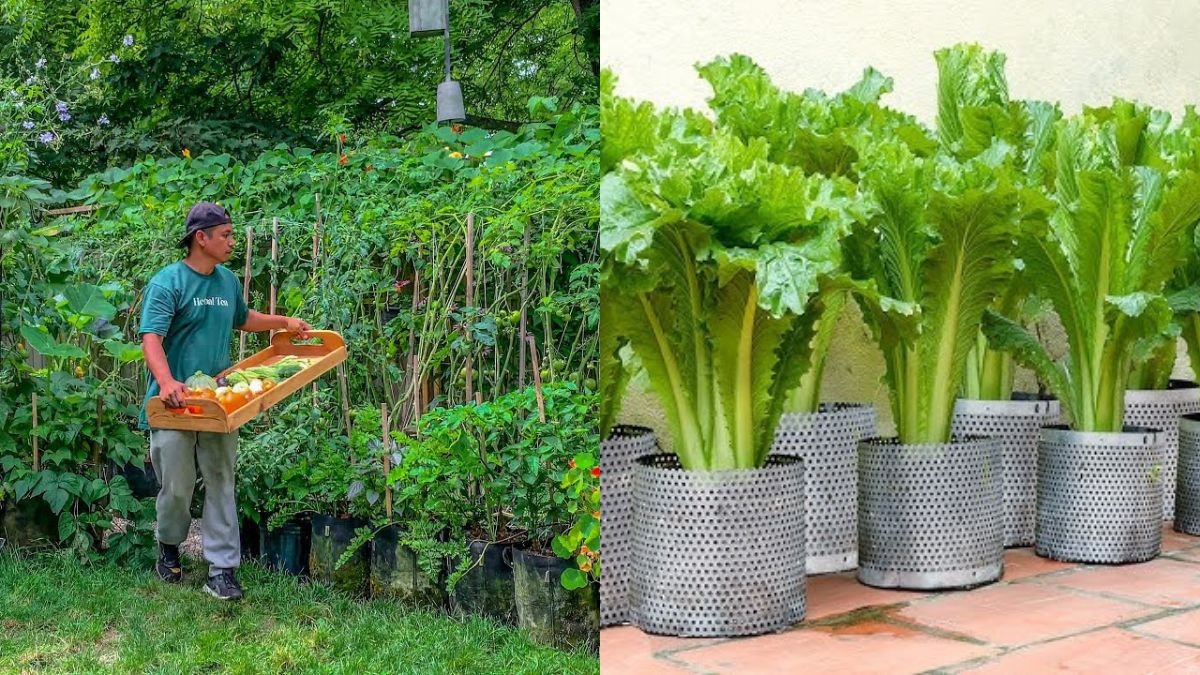
Imagine a life where you never have to buy vegetables again. Rising grocery prices, concerns over pesticide residues, and the desire for fresher food are driving families to grow their own vegetables at home. With the right planning and techniques, it’s possible to cultivate a garden that feeds your entire family year-round, providing fresh, nutritious produce straight from your backyard, balcony, or rooftop.
Home gardening is no longer a luxury; it’s a practical, cost-saving solution that allows you to take control of your family’s diet. From leafy greens and herbs to tomatoes, chilies, and root vegetables, a well-maintained garden can significantly reduce grocery bills while ensuring your meals are packed with flavor and nutrients.
This guide explains how to grow your own vegetables successfully, ensuring you never need to buy them again.
Why Growing Your Own Vegetables Matters
Enhanced Food Security
By growing your own vegetables, your family becomes less dependent on supermarkets and supply chains. Many families report being able to rarely visit the store because their garden produces enough vegetables for daily meals. Home-grown vegetables also provide the satisfaction of knowing exactly how they were cultivated. (WDSU News)
Freshness and Nutrition
Vegetables picked directly from your garden retain more nutrients than store-bought produce, which often spends days in transport and storage. Freshly harvested vegetables taste better and are richer in vitamins, minerals, and antioxidants.
Cost Savings
Starting a home garden is an investment that pays off quickly. Once established, your garden can supply vegetables for months, dramatically reducing grocery bills.
Sustainability
Growing your own food reduces packaging waste and transportation emissions, contributing to a more eco-friendly lifestyle.
Step-by-Step Guide to Never Buying Vegetables Again
1. Choose the Right Location
Select a space that receives 6–8 hours of sunlight daily. Even small areas like balconies, rooftops, or patios can become productive gardens using pots, grow bags, or vertical gardening systems. Proper sunlight ensures plants grow healthy and strong, producing higher yields. (Better Homes & Gardens)
2. Start With Easy-to-Grow Vegetables
If you’re a beginner, start with vegetables that are forgiving and quick to harvest:
- Leafy greens: spinach, lettuce, kale
- Herbs: basil, coriander, mint
- Fast-growing vegetables: radish, beans, zucchini
- Fruit-bearing plants: tomatoes, chilies, eggplants
These vegetables provide early success, boosting your confidence and motivating you to expand your garden.
3. Optimize Your Space
Modern gardening techniques allow high-yield production in limited spaces:
- Containers and pots: Ideal for urban balconies, growing tomatoes, chilies, and herbs.
- Vertical gardening: Trellises or hanging baskets for climbing plants like beans, cucumbers, and gourds.
- Hydroponics: Soil-less systems that produce vegetables efficiently even on rooftops. (NDTV Rajasthan)
With these methods, even homes without traditional backyards can produce a substantial amount of vegetables.
4. Plan for Year-Round Harvest
To maintain a continuous supply, practice succession planting:
- Spring: lettuce, spinach, radishes, tomatoes
- Summer: beans, squash, peppers, eggplants
- Fall/Winter: kale, carrots, spinach, radish
By staggering plantings, you avoid long gaps in availability and can harvest fresh vegetables all year. (ABC News)
5. Select High-Yield Varieties
Opt for seeds or seedlings known for high productivity and disease resistance. High-yield varieties maximize output from a limited area, ensuring your garden produces enough to feed your family consistently.
Some recommended vegetables include:
- Tomatoes: Cherry, Roma, and Heirloom varieties
- Leafy greens: Romaine, Spinach, Kale
- Root vegetables: Carrots, Beets, Radish
Choosing the right varieties reduces effort and increases success. (KisanTak)
6. Companion Planting
Companion planting can enhance growth and protect your crops. Certain plant combinations improve soil fertility and reduce pests:
- Beans near corn or cucumbers
- Marigolds near tomatoes
- Carrots near onions
Avoid planting incompatible crops together, as they may compete for nutrients or inhibit growth. (Martha Stewart)
7. Watering and Soil Management
Healthy soil and proper irrigation are critical:
- Use compost or well-rotted manure to enrich soil
- Mulch to retain moisture and regulate soil temperature
- Water consistently, but avoid overwatering, which can reduce flavor and increase disease risk
Well-prepared soil and proper hydration ensure vegetables grow vigorously and produce abundant yields.
8. Pest and Disease Control
Common home garden challenges include aphids, caterpillars, and fungal infections. Use organic solutions like neem oil, insecticidal soap, or natural predators to manage pests. Maintain good plant spacing and airflow to prevent disease.
9. Harvest at Peak Time
For maximum flavor and nutrients:
- Leafy greens: pick outer leaves regularly
- Tomatoes: harvest when fully colored and firm
- Root vegetables: pull when full size but not over-mature
Proper harvest timing ensures your garden’s output is both delicious and nutritious.
Real-Life Success Stories
Families worldwide have turned their homes into productive food sources:
- In New Orleans, a backyard garden now supplies most of a family’s daily vegetables, reducing grocery trips dramatically. (WDSU News)
- In India, rooftop hydroponics allow city dwellers to produce vegetables year-round without traditional soil, proving that even small spaces can be highly productive. (NDTV)
These examples demonstrate that with planning and effort, any home can supply enough vegetables to feed a family.
Common Challenges & Solutions
Challenge 1: Limited Space
- Solution: Use containers, vertical gardening, and hydroponic systems to maximize output.
Challenge 2: Seasonal Gaps
- Solution: Stagger planting cycles and grow cold-tolerant varieties for winter harvests.
Challenge 3: Beginner Learning Curve
- Solution: Start small with easy vegetables, gradually expand as confidence grows.
Authoritative Sources
- 🌱 ABC News – Winter Herbs and Vegetables That Give the Most Food (abc.net.au)
- 🧑🌾 WDSU News – Families Growing Their Own Vegetables (wdsu.com)
- 🪴 Family Handyman – How to Start a Vegetable Garden (familyhandyman.com)
- 🌿 KisanTak – High-Yield Vegetable Kits (kisantak.in)
Conclusion
Growing your own vegetables transforms your home into a self-sufficient food source. With proper planning, planting cycles, space management, and care, it’s possible to feed your family entirely from your garden, reducing grocery bills and ensuring fresh, healthy meals year-round.
Even small spaces, through container gardening or hydroponics, can become highly productive. By starting small and gradually expanding, any family can achieve vegetable self-sufficiency and enjoy the benefits of homegrown, fresh, and flavorful produce.
Start today, and soon you will never buy vegetables again, harvesting everything your family needs from your own backyard.