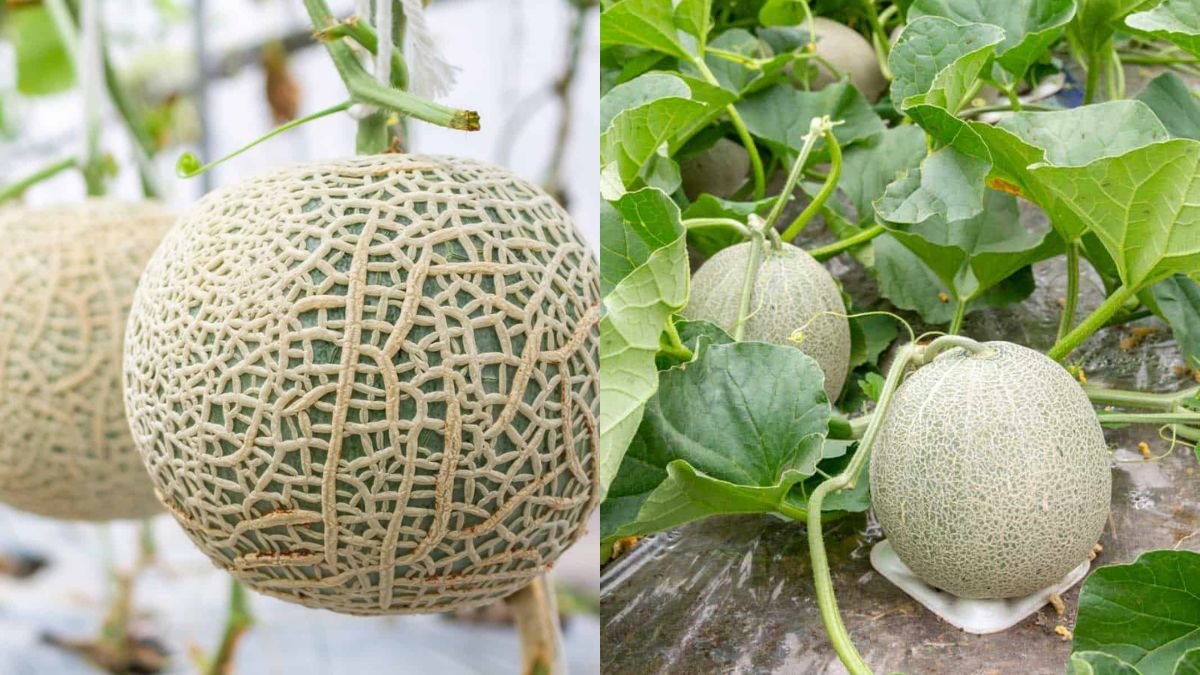
Cantaloupe, also known as muskmelon, is one of the most rewarding summer fruits to grow at home. Loved for its sweet, juicy flesh and refreshing aroma, it’s a favorite in home gardens, patios, and even containers. Traditionally cultivated in fields, modern gardening techniques allow home gardeners to achieve high-yield, large, flavorful fruits with minimal effort.
Cantaloupes thrive in warm, sunny weather, require well-drained soil, and benefit from careful spacing, proper watering, and nutrient-rich feeding. With the right care, a home gardener can harvest super sweet, aromatic fruits that often surpass store-bought melons in taste. (almanac.com)
Cantaloupes typically mature in 70–100 days, making them ideal for summer gardening. With a structured approach, even beginners can enjoy bountiful harvests at home. (realsimple.com)
Why Growing Cantaloupe at Home Is Rewarding
Growing cantaloupe at home is beneficial for several reasons:
- Freshness and flavor: Homegrown cantaloupes are far sweeter and juicier than store-bought ones.
- Control over growing conditions: You can ensure chemical-free, natural cultivation.
- Cost-effective: A few seeds and some basic supplies yield multiple fruits.
- Fun and educational: Perfect for family gardening and teaching children about fruit growth.
Cantaloupes can be grown in gardens, raised beds, or large containers with proper care, making them accessible for a variety of living situations. (almanac.com)
Step‑by-Step Guide to Growing Cantaloupe at Home
1. Timing & Climate Preferences
Cantaloupes are warm-season crops that do not tolerate frost. To ensure optimal growth:
- Plant seeds or transplants after the last frost
- Soil temperature should consistently be above 21°C (70°F)
- In cooler climates, start seeds indoors 4–6 weeks before transplanting (almanac.com)
Proper timing ensures vigorous vines and maximizes fruit size and sweetness.
2. Choosing the Right Site
Sunlight and soil are critical:
- Full sun: At least 6–8 hours daily
- Well-draining soil: Prevents root rot
- Ample space: Vines can spread several feet; trellises or supports can save space
- Train vines vertically if ground space is limited (almanac.com)
Sunlight helps fruit develop sugars, enhancing flavor.
3. Soil Preparation & Planting
Soil Preparation
Cantaloupes prefer fertile soil with good drainage:
- Ideal pH: 6.0–6.8
- Enrich with organic compost for texture and nutrients
- Use black plastic mulch to warm soil early and suppress weeds (almanac.com)
Planting Seeds or Transplants
- Plant seeds 1 inch deep
- Space plants 18–24 inches apart in rows 5–6 feet apart
- If using a trellis, allow 2–3 plants per structure
- For cooler areas, start seeds indoors and transplant after warming the soil (almanac.com)
Proper spacing ensures airflow, reducing disease risk and supporting large fruit development.
4. Watering & Maintenance
Watering is crucial for size and sweetness:
- Deep, consistent watering: 1.5–2 inches per week
- Water in the morning to reduce leaf diseases
- Avoid overhead watering; use drip irrigation or water at the soil level
- Reduce watering slightly when fruits begin to ripen to increase sugar concentration
- Mulch around plants helps retain moisture and stabilize soil temperature (almanac.com)
5. Fertilization for High Yield & Big Fruit
Balanced nutrition encourages growth and fruit development:
- Early growth: balanced fertilizer for leaves and vine growth
- Flowering & fruiting stage: increase phosphorus and potassium, reduce nitrogen
- Organic options: compost tea, banana peel fertilizer, or vermicompost tea applied periodically enhance fruit size and sweetness (colabamarket.com)
6. Pruning & Vine Management
Vine management improves fruit quality:
- Allow only a few healthy vines per plant
- Limit fruits to 2–4 per plant to focus nutrients
- Train vines on supports to prevent soil contact, reducing rot
- Remove old leaves that shade fruit for better sunlight exposure (colabamarket.com)
Pest & Disease Management
Common issues include:
- Aphids
- Squash bugs
- Powdery mildew
- Fruit rot
Control methods:
- Neem oil sprays every 10–14 days
- Mulching and proper watering to reduce rot
- Avoid wetting leaves to prevent fungal growth (colabamarket.com)
Healthy plants yield larger, sweeter fruits.
Harvesting & Ripeness Indicators
Harvest at peak ripeness for maximum sweetness:
- Color: Rind turns beige or yellow depending on variety
- Netting: Well-defined webbing on the rind indicates maturity
- Aroma: Sweet smell at the stem end
- Slip stage: Fruit detaches easily with slight pressure (colabamarket.com)
Harvesting too early may result in bland, less sweet fruit.
Tips for Bigger, Juicier Melons
- Focus nutrients on fewer fruits
- Use organic potassium-rich fertilizers
- Provide consistent moisture early, reduce slightly during ripening
- Avoid overhead watering to reduce disease (colabamarket.com)
These strategies ensure high yield and super-quality fruit.
Authoritative Sources & Further Reading
- The Old Farmer’s Almanac – Cantaloupe: Detailed home gardening tips including soil, irrigation, and pest management (almanac.com)
- Homes and Gardens – How to Grow Cantaloupe: Step-by-step planting and spacing guidance (homesandgardens.com)
- Real Simple – Fast-Growing Fruits: Cantaloupe care and summer planting advice (realsimple.com)
Conclusion
Cantaloupe is a highly rewarding, sweet, and juicy summer fruit for home gardeners. By following proper planting, watering, fertilization, and vine management techniques, you can achieve high yields and big, flavorful fruits.
Even in limited spaces, cantaloupes can thrive in raised beds or large containers with trellising and proper spacing. With minimal effort and careful attention to soil, sun, and nutrition, your homegrown cantaloupes will rival or surpass store-bought varieties in both size and flavor.
Start with quality seeds, provide consistent sunlight and water, train your vines smartly, and enjoy the sweet rewards of your summer garden. Homegrown cantaloupes are not only delicious but also a source of pride for any gardener.