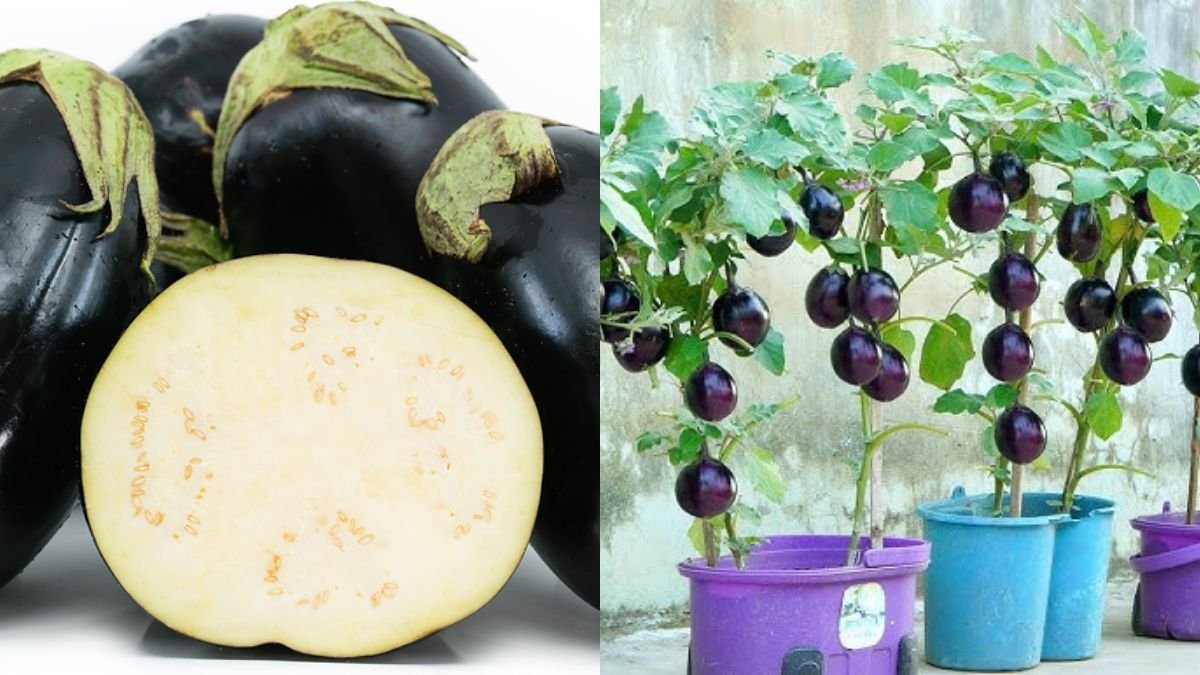
If you’ve ever tried growing eggplant but ended up with just a few small fruits or tasteless harvests, you’re not alone. Many gardeners struggle to produce abundant, flavorful eggplants because they miss a few key care steps. The good news is that American egg eggplant varieties, known for their large size and rich flavor, can yield super many fruits when grown with the right techniques.
Eggplant, also called aubergine, is a warm-season vegetable that thrives in sunny environments and fertile soil. While planting it is simple, achieving high yield and exceptional taste requires attention to watering, pruning, pollination, fertilization, and harvest timing. Following these best practices ensures your garden produces plump, glossy, and delicious eggplants all season long. (Almanac)
Background: Why Eggplant Fruit Can Be Abundant and Delicious
American eggplant varieties are prized for their high productivity and culinary quality. They belong to the nightshade family, like tomatoes and peppers, and share similar growth requirements: warm temperatures, fertile soil, consistent moisture, and full sunlight.
The quality and quantity of eggplants depend on how well the plant’s needs are met throughout its growth cycle. From soil preparation to pruning and proper harvest timing, every step influences fruit set and flavor. Home gardeners and commercial growers alike report dramatic improvements in yield and taste when these steps are applied consistently. (GrowCycle)
1. Choose the Right Environment
Eggplants require full sun for 6–8 hours per day and warm soil. Ideal daytime temperatures range from 70–85°F (21–29°C). Planting too early in cold or frosty conditions hinders growth and reduces fruiting.
Soil Tips:
- Well-draining, fertile soil with pH between 5.8–6.8 is best.
- Mix in compost or well-rotted manure to provide essential nutrients.
- Raised beds or large pots improve drainage and warmth, especially in cooler climates. (Almanac)
2. Water Properly to Boost Fruit Sets
Eggplants need consistent moisture, especially during flowering and fruiting stages. Improper watering can lead to flower drop or bitter fruits.
Watering Guidelines:
- Water deeply at the base of the plant, avoiding wetting the leaves to reduce fungal risk.
- Keep soil evenly moist like a “wrung-out sponge,” never soggy.
- Mulch around the base to retain moisture and regulate soil temperature. (GrowCycle)
Consistent watering ensures blossoms develop into full, plump fruits and improves overall flavor. (Bhagirath Market)
3. Support and Prune for Better Yield
As eggplants grow, branches can become heavy with fruits, making support essential to prevent breakage.
Support Techniques:
- Use stakes or cages to keep stems upright.
- Tie stems loosely so they can flex in the wind.
- Support is especially important for container-grown plants.
Pruning Insights:
Pruning removes lower leaves and weak branches, improving airflow and allowing the plant to focus energy on fruit production instead of excess foliage. This is a key secret to maximizing fruit number and size. (Bhagirath Market)
4. Optimize Feeding and Nutrition
Eggplants are heavy feeders and require balanced nutrients for strong growth and abundant fruiting.
Feeding Tips:
- Apply compost or organic fertilizer every two weeks.
- Avoid high nitrogen fertilizers during flowering, as excess nitrogen encourages leafy growth at the expense of fruits.
- Potassium-rich amendments, such as wood ash or banana peel liquid, promote larger, sweeter fruits. (Bandra Hill Road Market)
Well-fed plants are more resistant to pests and produce better-tasting fruits.
5. Pollination and Flower Care
Although eggplants are self-fertile, proper pollination increases fruit set.
- Encourage pollinators like bees to visit flowers.
- If pollinators are scarce, gently shake the flowers or use a small brush to transfer pollen.
- Avoid watering the flowers directly, as this can wash pollen and reduce fruit set. (Mr. Fothergill’s)
Proper pollination ensures more flowers develop into fully formed, delicious fruits.
6. Harvesting at the Right Time
One of the most common mistakes is over-waiting to harvest. Eggplants should be picked when their skin is glossy and firm, not dull or overly large. Overripe fruits may taste bitter and have spongy flesh.
Harvest Tips:
- Harvest every 2–3 days once fruits are mature.
- Cut fruits with a sharp knife or shears, avoiding pulling which can damage the stem.
- Regular harvesting encourages continued fruit production. (Almanac)
Timely harvests ensure maximum flavor and continuous production.
Quick Checklist for Super Many Eggplant Fruits
✔ Full sun 6–8 hours daily
✔ Fertile, well-draining soil with compost
✔ Consistent, deep watering
✔ Balanced feeding schedule for fruiting
✔ Plant support with stakes or cages
✔ Pollination support for more fruit set
✔ Harvest regularly at the right maturity
By following this checklist, even beginner gardeners can achieve high yields and delicious eggplants throughout the season. (GrowCycle)
Real-Life Success Stories
- In New Orleans, backyard gardeners have achieved continuous harvests of large, flavorful eggplants by following careful watering, pruning, and feeding routines. (WDSU)
- Urban growers in India are experimenting with container and hydroponic eggplant cultivation, producing super abundant harvests even on rooftops. (NDTV)
These examples show that high-yield eggplant cultivation is possible in any setting.
Common Challenges & Solutions
Challenge 1: Weak Stems
- Solution: Use sturdy stakes or cages to support heavy fruit loads.
Challenge 2: Flower Drop
- Solution: Maintain consistent moisture and support pollination with hand brushing or bees.
Challenge 3: Bitter Fruit
- Solution: Harvest at the correct stage and avoid overwatering during fruiting.
Authoritative Sources
- 🌿 The Old Farmer’s Almanac – How to Plant and Grow Eggplants (almanac.com)
- 🧑🌾 American Gardener – Eggplant Grow & Care Tips (americangardener.com)
- 🌱 Bhagirath Market – Eggplant High-Yield Techniques (bhagirathmarket.com)
- 🍆 GrowCycle – Eggplant Growing Guide (growcycle.com)
Conclusion
Achieving super many fruits and super delicious American egg eggplant doesn’t require luck — it requires smart care, proper feeding, consistent watering, pollination support, and timely harvests. By implementing these steps, even first-time gardeners can transform a few seedlings into a high-yield, flavorful eggplant harvest.
Follow these techniques, and you can enjoy plentiful, glossy, and delicious eggplants straight from your garden throughout the season.