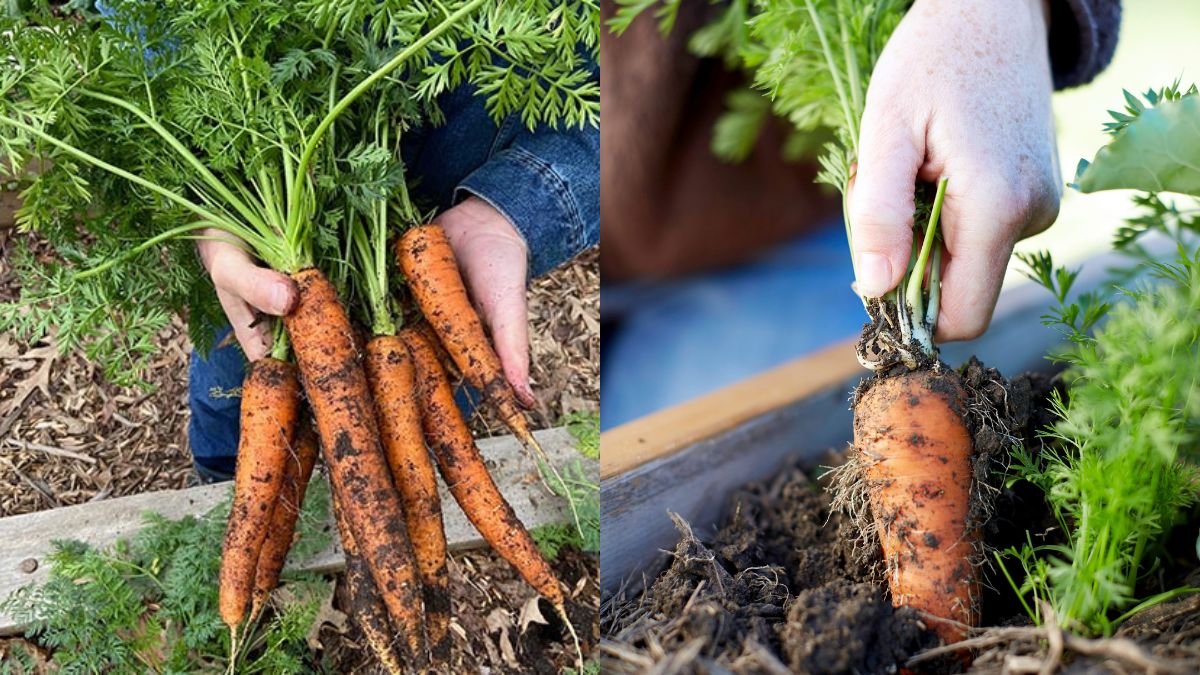
Carrots are among the most popular and versatile vegetables grown in home gardens. Loved for their natural sweetness, crunch, and nutritional value, they are a staple in salads, soups, stews, and even desserts. While store-bought carrots are convenient, they often lack flavor and may contain chemical residues. Growing carrots at home is an ideal solution, offering fresh, clean, and highly nutritious produce straight from your garden or balcony.
Homegrown carrots are not only healthier but also more satisfying to harvest. With simple techniques, anyone can achieve high-yield results without advanced gardening experience. Even in small spaces, containers, or terrace gardens, it is possible to grow a continuous supply of carrots throughout the year. (Times of India)
This article outlines a complete guide for growing carrots at home, step by step, with practical tips for maximum yield.
Why Carrots Are Ideal for Home Gardening
Carrots are particularly suited for home gardens due to several key factors:
- Nutrient-dense and versatile: Rich in beta-carotene, vitamin A, fiber, and antioxidants. (Prabhat Khabar)
- Space-efficient: Grow well in containers, raised beds, or open garden soil. (Times of India)
- Multiple seasonal plantings: Can be grown in spring, fall, and winter in mild climates, ensuring year-round harvests.
- Cost-effective: Reduces grocery expenses, especially for households that consume carrots frequently. (ABP Live)
These benefits make carrots one of the most rewarding vegetables for beginners and experienced gardeners alike.
Selecting the Right Carrot Seeds
Choosing the right carrot seeds is critical for high yield and healthy roots. There are multiple varieties to consider:
- Open-pollinated or heirloom seeds: Traditional varieties adapted to local climate and soil. (Times of India)
- Early-maturing or baby carrot varieties: Perfect for containers and small gardens, producing faster results.
- Colored varieties: Red, yellow, or purple carrots add variety and nutrients.
Buy seeds from reputable suppliers to ensure high germination rates and healthy seedlings. Healthy seeds lead to straight, uniform roots and better overall yields.
Step 1: Prepare the Soil Properly
Soil preparation is the foundation of high-yield carrot cultivation. Carrots require loose, deep, and well-drained soil to grow straight and long. Compacted or rocky soil often leads to forked or stunted roots.
Steps to prepare ideal soil:
- Loosen soil to a depth of at least 30 cm (12 inches). (GrowCycle)
- Mix in organic compost or well-rotted manure to enhance fertility.
- Remove rocks, sticks, or clumps to allow unobstructed root growth. (The Garden Magazine)
Well-prepared soil ensures healthy root development, supports flowering, and increases overall yield.
Step 2: Sowing Seeds Correctly
Carrot seeds are small, so careful sowing and spacing is essential for high yield:
- Plant seeds 0.5–1 cm deep in rows. (Times of India)
- Space rows 30–45 cm apart to allow proper airflow.
- Thin seedlings to 8–10 cm apart once they sprout to reduce competition. (Gardencow)
Proper sowing and spacing result in uniform, thick roots, maximizing yield per plant.
Step 3: Sunlight Requirements
Carrots require 6–8 hours of direct sunlight daily for optimal growth. Adequate sunlight improves photosynthesis, root development, and sweetness.
- If growing in containers, place pots in sunny terraces or balconies. (Gardening in Steps)
- For partial shade, ensure at least 4–5 hours of direct sun daily to avoid stunted roots.
Step 4: Watering Consistently
Consistent moisture is crucial for healthy carrot roots:
- Water deeply about 1 inch per week, adjusting for rainfall. (Gardening Tips)
- Avoid waterlogging, which causes root rot.
- Mulch around plants to retain moisture and suppress weeds.
Even watering encourages straight, long roots and reduces splitting or cracking.
Step 5: Fertilization for High Yield
Carrots are light feeders but benefit from balanced nutrition:
- Add compost or organic fertilizer before planting.
- Avoid excess nitrogen — too much nitrogen promotes leafy tops but reduces root size.
- Apply a mild fertilizer mid-growth to boost root development. (The Garden Magazine)
Regular feeding ensures vigorous growth and high-quality carrots.
Step 6: Weed and Pest Management
Weeds compete with carrots for nutrients and moisture. Remove weeds gently without disturbing roots.
Common pests include:
- Aphids
- Carrot fly larvae
- Leafhoppers
Use organic pest control such as neem oil, companion planting, or sticky traps. Mulching also reduces weeds and pest access.
Step 7: Thinning Seedlings
Thinning is essential for high yield:
- Remove excess seedlings when they are 1–2 cm tall.
- Leave 8–10 cm spacing between remaining seedlings. (Times of India)
Thinning reduces competition for nutrients and water, allowing each root to develop fully.
Step 8: Harvesting Carrots
Carrots are usually ready to harvest 50–75 days after sowing, depending on variety.
- Look for firm, well-colored roots about 1–1.3 cm in diameter.
- Gently loosen soil and pull up roots by the crown to avoid breaking them. (Gardening Know How)
- Frequent harvesting encourages the plant to continue producing roots.
Pro Tips for Maximum Yield
- Raised beds or deep containers: Ideal for heavy or compact soils. (Gardening in Steps)
- Seasonal planting: Sow in spring and fall for sweeter roots.
- Mulching: Keeps soil cool, retains moisture, and reduces weeds.
- Soil pH: Maintain 6.0–6.8 for best nutrient uptake.
Using Your Homegrown Carrots
Fresh carrots can be used in countless ways:
- Raw as snacks or salads
- Added to soups, stews, and stir-fries
- Juices and smoothies
- Baking, like carrot cake
Homegrown carrots often taste sweeter and have firmer texture than store-bought ones.
Authoritative Sources
- Times of India – How to Grow and Harvest Fresh Carrots at Home
- Gardencow – 7 Secrets to Successfully Cultivating Carrots at Home
- The Garden Magazine – 10 Ways to Have a Huge Carrot Harvest
- GrowCycle – Carrot Growing Guide
Conclusion
Growing carrots at home for high yield is simple, rewarding, and cost-effective. By choosing quality seeds, preparing loose soil, providing adequate sunlight, consistent watering, and proper thinning, you can enjoy a steady supply of sweet, crunchy carrots year-round.
Even beginners can achieve professional-looking, high-yield carrots with this easy method. Homegrown carrots not only improve your meals but also provide the satisfaction of growing fresh, healthy produce from scratch.