Yellow watermelons are capturing the imagination of home gardeners worldwide. Unlike the familiar red‑fleshed variety, these golden-fleshed melons offer a unique sweetness and vibrant color that makes them stand out in any garden or kitchen. Beyond their novelty, yellow watermelons are surprisingly easy to grow, rewarding both beginners and seasoned gardeners with juicy, flavorful fruits.
Recently, in regions of India such as Karnataka and Assam, farmers and home gardeners experimenting with yellow watermelon cultivation have reported unexpected outcomes: higher yields, remarkable sweetness, and growing market interest. Even in soils and climates previously thought unsuitable, yellow watermelons thrived, delighting gardeners with results that were both surprising and inspiring. (Times of India)
This article explores why yellow watermelon is becoming a home garden favorite, shares practical growing tips, and explains the unexpected benefits that make this fruit worth trying.
What Is Yellow Watermelon?
Yellow watermelon, scientifically known as Citrullus lanatus, owes its bright golden hue to beta-carotene, the same pigment that colors carrots and cantaloupes. Unlike red watermelons, which are rich in lycopene, yellow varieties are known for a distinct honey-like sweetness and crisp, refreshing texture. (Planet Natural)
There are several varieties suited to home gardening:
- Yellow Doll: Small, sweet fruits, ideal for container gardening or smaller backyards.
- Desert King: Large, honey-sweet fruits that can grow in open garden spaces.
- Mountain Sweet Yellow: A medium-to-large variety with classic watermelon texture.
- Golden Midget: Compact melons perfect for limited spaces. (Planet Natural)
One unexpected aspect of yellow watermelons is their vigor. Many gardeners anticipate that these novelty melons will be fragile or finicky, but in practice, they often perform as well — or better — than traditional red varieties.
Why Grow Yellow Watermelon at Home?
Home gardening has always valued watermelon for its refreshing taste, heat tolerance, and long summer harvest. Yellow watermelon adds several benefits:
- Unique Appearance and Flavor: Golden flesh surprises and delights guests, making it a showpiece for fruit salads, juices, or desserts. (Planet Natural)
- Nutritional Value: Beta-carotene provides antioxidants, making yellow watermelons a healthy alternative to red varieties. (Survival Garden Seeds)
- Market Potential: In areas like India, gardeners have observed that yellow watermelons fetch higher market prices due to their novelty and sweetness. (Times of India)
Beyond fruiting, yellow watermelon vines are attractive, sprawling plants that can enhance the aesthetics of trellises, arbors, or garden beds.
Step-By-Step Guide to Growing Yellow Watermelon at Home
1. Select the Right Variety
Choosing the correct variety is crucial for success. For beginners, disease-resistant and fast-maturing types are recommended. Consider space and climate: small varieties like Yellow Doll or Golden Midget work well in containers or raised beds, while Desert King or Mountain Sweet Yellow are better suited for open garden spaces. (Garden.eco)
2. Prepare Soil and Planting Location
Yellow watermelons thrive in fertile, well-drained soil with a slightly acidic to neutral pH. Amend the soil with compost or aged manure to improve nutrients and drainage. Raised beds can help if your soil retains water.
Plant seeds in warm soil (70°F / 21°C minimum). In cooler climates, start seeds indoors 2–3 weeks before the last frost and transplant seedlings when the soil is consistently warm.
Choose a sunny spot receiving at least 6–8 hours of sunlight daily to maximize sugar content and fruit development. (Almanac)
3. Spacing and Support
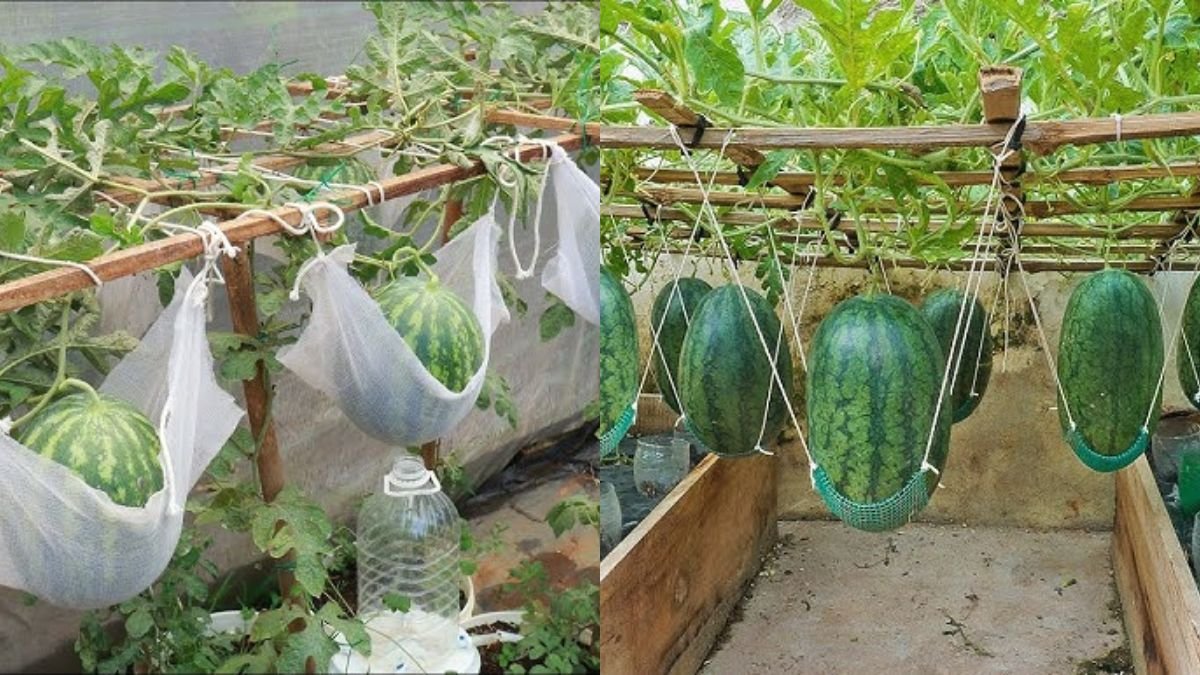
Watermelon vines are sprawling plants. Space them 4–6 feet apart to ensure sufficient airflow and room for growth. While most varieties do not need trellising, small or container-grown plants may benefit from vertical support. Proper spacing also helps prevent fungal diseases and encourages better fruit quality.
4. Watering and Mulching
Young seedlings require consistent moisture. Water deeply at the base and avoid wetting foliage to prevent fungal problems. As melons grow and fruits begin to form, adjust watering: excessive moisture can cause fruit cracking, while consistent, moderate watering encourages sweetness.
Mulching around the plants retains soil moisture, suppresses weeds, and helps maintain even soil temperature. Organic mulches such as straw or grass clippings work well. (Gardenguides)
5. Fertilization
During growth, watermelons benefit from compost or a balanced organic fertilizer. Once flowers appear, switch to phosphorus and potassium-rich fertilizers to promote fruiting instead of leafy growth. Over-fertilizing with nitrogen can reduce sweetness and yield. (Planet Natural)
6. Pollination
Grapes and watermelons both rely on pollination for fruit set. While bees often pollinate watermelon flowers naturally, home gardeners may need to hand-pollinate in small or indoor gardens. Use a soft brush or cotton swab to transfer pollen from male to female flowers to ensure a good yield.
7. Determining Ripeness and Harvesting
Yellow watermelon ripens when:
- The underside (where the fruit touches the ground) develops a deep yellow color.
- The rind loses its gloss and looks dull.
- The fruit sounds hollow when tapped and feels heavy for its size.
Harvest carefully with clean shears to avoid vine damage. Unlike some fruits, watermelons do not continue ripening after harvest, so timing is key. (Gardening Know How)
Unexpected Results from Yellow Watermelon Growing
One of the most surprising outcomes reported by gardeners and farmers is how well yellow watermelons adapt to unexpected conditions. In India, trials in soils not considered ideal for traditional red watermelons yielded excellent sweetness and large fruits. Some growers reported that even minimal care in home gardens produced better results than anticipated. (Times of India)
These results suggest that yellow watermelon is more versatile and forgiving than many gardeners expect. Additionally, its novelty and sweetness are encouraging some home growers to consider small-scale commercial opportunities.
Pro Tips for Successful Cultivation
- Start seeds indoors to extend the growing season.
- Mulch to maintain soil moisture and regulate temperature.
- Protect developing fruits from pests with collars or netting.
- Regularly monitor plants for disease, especially fungal infections.
- Rotate crops to maintain soil fertility and prevent disease buildup.
Many gardeners note that the sweetness of yellow watermelons often exceeds store-bought varieties, making home cultivation exceptionally rewarding. (Reddit Gardening Community)
Background Context
Watermelons have been cultivated for thousands of years, and yellow-fleshed varieties are part of that heritage. Historically grown in Africa and Asia, yellow watermelons are now gaining attention for home gardeners seeking novelty and flavor variety.
With modern seeds, disease-resistant varieties, and simple cultural practices, growing super delicious yellow watermelon at home has become accessible to almost anyone, even in regions previously considered unsuitable.
Suggested Authoritative Sources
- Old Farmer’s Almanac – How to Grow Watermelons
- Planet Natural – Yellow Watermelon Guide
- GardenGuides – Grow Yellow Watermelon
- Garden.Eco – Yellow Watermelon Season
These provide practical, science-backed tips and further inspiration for home growers.
Conclusion
Growing super delicious yellow watermelon at home is both fun and rewarding. From selecting the right variety to providing sunlight, rich soil, and proper care, anyone can cultivate these striking, sweet melons. Unexpectedly, many gardeners find that yellow watermelons are forgiving, high-yielding, and exceptionally flavorful.
Whether you want a backyard novelty, a healthy snack, or even a small market opportunity, yellow watermelon offers an exciting new option for home gardeners. Start your seeds today — the sweet, golden rewards are closer than you think.