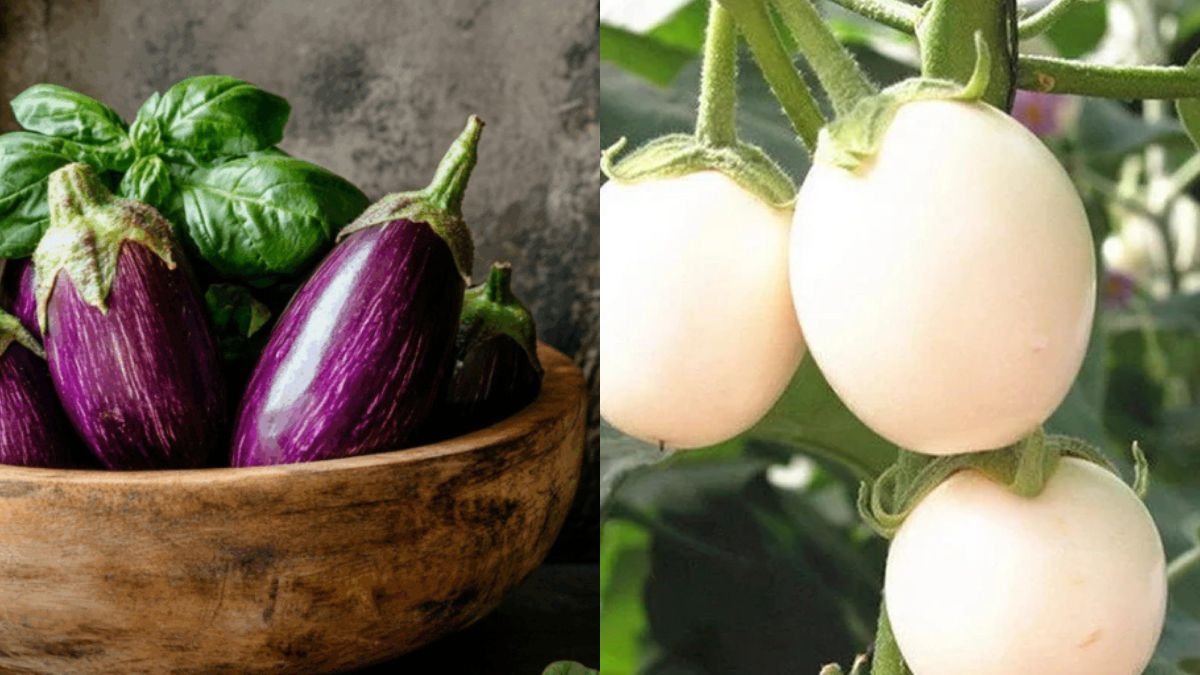
Home gardening has become a global trend in 2026 as families look for fresh, nutritious produce while reducing grocery costs. Many gardeners focus on vegetables that are easy to grow, nutrient-rich, and capable of providing fast, abundant harvests — crops that can feed the family reliably. This concept has earned certain vegetables the nickname “king of vegetables” due to their versatility, taste, and yield.
Even small spaces like balconies, terraces, or kitchen windowsills can become productive gardens with the right selection of crops. With recent gardening innovations, it’s now possible to grow these vegetables quickly and efficiently, providing your family with fresh, chemical-free produce year-round. (kisantak.in)
This article will guide you on which vegetables to grow, how to care for them, and how to maximize fast harvests for your family’s benefit.
What Makes a Vegetable the “King” of Home Gardening?
While there is no universal “king of vegetables,” in home gardening, this term usually refers to crops that are:
- Fast-growing and easy to harvest
- High-yielding, producing food regularly
- Nutritious and versatile in cooking
- Adaptable to small spaces or container gardening
Common choices include leafy greens, radishes, beans, cucumbers, and gourds — vegetables that are simple to grow yet provide a steady, abundant supply for families. (blog.organicbazar.net)
Top Vegetables to Grow for Fast Home Harvests
Choosing the right crops ensures your garden is productive and rewarding. Here are the best fast-growing vegetables for home gardens:
1. Radishes — Ready in Weeks
Radishes are among the fastest vegetables to harvest, maturing in as little as 3–4 weeks. They grow well in loose, well-drained soil and full sunlight. Their crisp, peppery flavor makes them a favorite for salads and garnishes. (en.wikipedia.org)
Tips: Sow seeds directly in soil, thin seedlings to avoid overcrowding, and water consistently for tender roots.
Benefits: Radishes are low in calories, rich in vitamin C, and encourage quick harvest satisfaction for beginners.
2. Leafy Greens — Lettuce, Spinach, Arugula
Leafy greens like lettuce, spinach, and arugula grow quickly, often ready to harvest in 20–30 days. You can harvest leaf by leaf, promoting continuous growth. These crops thrive in pots, raised beds, or vertical systems, making them ideal for limited spaces. (allthatgrows.in)
Tips: Provide partial shade during hot weather to prevent bolting, and keep soil consistently moist for tender, flavorful leaves.
Benefits: Leafy greens are packed with vitamins A, C, and K, fiber, and minerals, supporting healthy diets.
3. Cucumbers — Fast-Growing Fruit
Cucumbers are refreshing, high-yield vegetables that can produce fruit in 50–70 days. They grow vertically on trellises, saving space and improving airflow to reduce disease. (reddit.com)
Tips: Provide consistent watering, mulch to retain soil moisture, and harvest regularly to encourage continued fruiting.
Benefits: Cucumbers are hydrating, low in calories, and versatile for salads, pickles, and smoothies.
4. Beans — Easy & Productive
Green beans, especially bush varieties, are simple to grow and yield quickly, often in 50–60 days. Beans enrich soil by fixing nitrogen, benefiting future crops. (homesandgardens.com)
Tips: Plant seeds after the last frost, provide support for climbing varieties, and harvest when pods are tender.
Benefits: Beans are high in protein, fiber, and micronutrients, making them a nutritious family staple.
5. Bottle Gourd (Calabash) — Continuous Harvest
Bottle gourd grows quickly, with flowering and fruiting in 45–60 days. Trellising supports vertical growth, maximizing yield in small areas. (en.wikipedia.org)
Tips: Fertilize regularly with compost or organic manure, water consistently, and prune excess leaves for better fruit production.
Benefits: Bottle gourd is rich in vitamins, minerals, and fiber, and it has cooling properties ideal for summer diets.
Essential Tips for Fast-Growing Home Gardens
Even fast-growing crops require proper care for abundant harvests:
1. Sunlight
Most vegetables need 6–8 hours of sunlight daily. Use balconies, terraces, or garden beds to maximize light exposure. (timesofindia.indiatimes.com)
2. Soil and Containers
Use well-drained, nutrient-rich soil. Containers should have drainage holes to prevent waterlogging. Adding compost boosts fertility and speeds growth.
3. Watering
Maintain consistent moisture but avoid waterlogging. Drip irrigation or soaker hoses can simplify watering and reduce stress on plants.
4. Succession Planting
Plant small batches every 2–3 weeks to ensure continuous harvests rather than one large, short-lived crop.
5. Support Climbers
Vining plants like cucumbers and bottle gourd thrive on trellises or stakes, saving space and boosting fruit production.
Growing Vegetables in Limited Spaces
Urban gardening techniques allow even small spaces to yield high-quality food:
- Container gardening: Grow radishes, beans, and leafy greens in pots on terraces or balconies.
- Vertical gardening: Use trellises or hanging planters to grow vining crops efficiently.
- Kitchen garden kits: Kits with multiple vegetables and herbs simplify seed selection for beginners. (kisantak.in)
- Hydroponics and soil-free systems: Ideal for leafy greens and herbs, producing quick yields even indoors. (navbharattimes.indiatimes.com)
Why Fast-Harvest Vegetables Are Important for Families
- Regular supply of fresh food: Quick-growing crops ensure your family enjoys fresh vegetables almost year-round.
- Health benefits: Fresh homegrown produce retains higher levels of vitamins and antioxidants.
- Engaging family activity: Children and adults can participate in gardening with visible, fast results.
- Cost-effective nutrition: Reduces dependency on store-bought produce and minimizes exposure to chemicals.
Authoritative Sources for Guidance
- Fastest Growing Vegetables to Harvest in 30 Days — allthatgrows.in (allthatgrows.in)
- Vegetables Ready in Two Months — blog.organicbazar.net (blog.organicbazar.net)
- Top Vegetables for Pots — Times of India (timesofindia.indiatimes.com)
These sources provide reliable guidance on growing conditions, crop selection, and quick-harvest strategies.
Conclusion
Growing the “king of vegetables” at home is accessible, rewarding, and sustainable. By selecting fast-growing, easy-to-care-for vegetables such as radishes, leafy greens, beans, cucumbers, and bottle gourd, your family can enjoy fresh, nutritious food in just a few weeks.
With proper sunlight, soil, watering, and succession planting, even limited spaces like balconies or terraces can provide continuous harvests, helping you become more self-sufficient, save money, and improve your family’s diet.