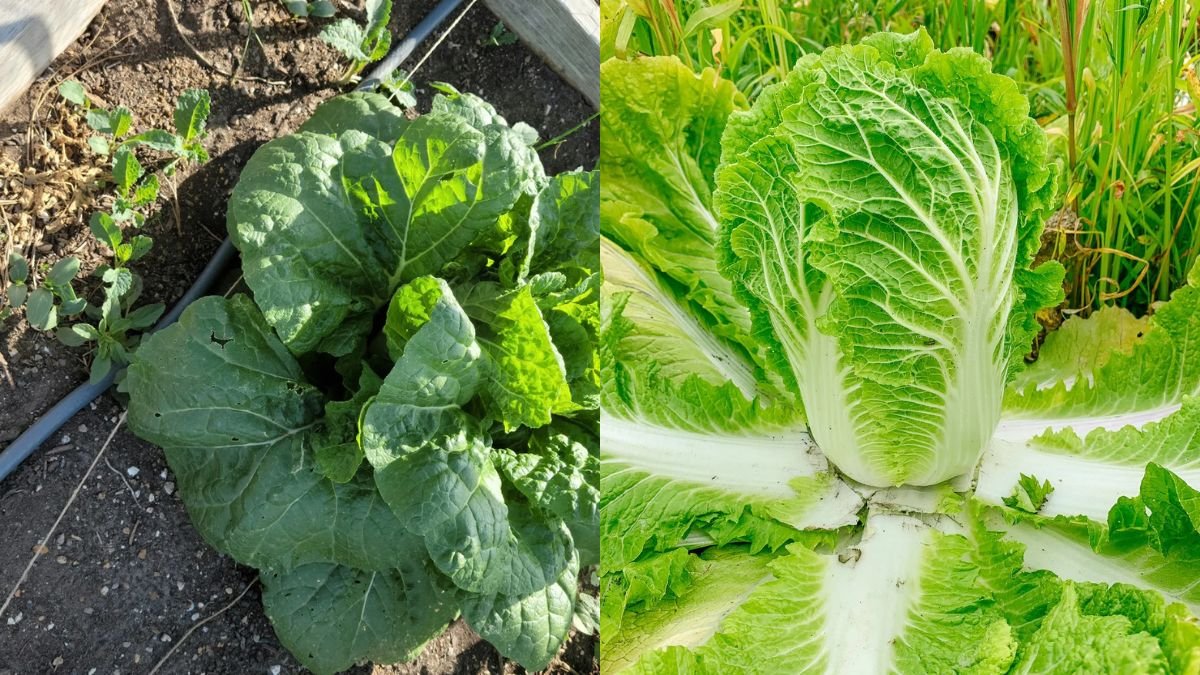
Growing fresh vegetables at home doesn’t always require a large garden plot. One of the most versatile and nutritious vegetables you can cultivate in a small yard is Napa cabbage, also known as Chinese cabbage. With its crisp, light-green leaves and mild flavor, Napa cabbage is ideal for salads, stir-fries, soups, and fermented dishes like kimchi. Beyond its culinary appeal, Napa cabbage is highly nutritious, rich in vitamins A, C, and K, and packed with fiber.
Modern gardening techniques now allow families to grow this vegetable right in their yards, on patios, or even in large containers, making it accessible for urban and suburban households alike. This approach ensures a steady supply of fresh, homegrown cabbage without the need for traditional garden beds. (bademiya.org)
🧠 Why Grow Napa Cabbage at Home?
Growing Napa cabbage at home offers several advantages:
1. Health and Nutrition
Napa cabbage is loaded with nutrients, including vitamins A, C, K, calcium, and fiber. Regular consumption supports digestion, immunity, and overall health. By growing your own, you ensure your cabbage is free from pesticides and chemical residues. (timesofindia.indiatimes.com)
2. Cost Savings
Store-bought cabbage can be expensive, especially organic varieties. Home cultivation reduces grocery expenses while providing a continuous supply of fresh vegetables.
3. Culinary Versatility
Napa cabbage is highly versatile in the kitchen. Its tender leaves are perfect for salads, soups, stir-fries, and fermented dishes like kimchi, making it a staple ingredient for family meals.
4. Space Efficiency
Unlike other vegetables that require large garden plots, Napa cabbage can thrive in small yard spaces, raised beds, or containers, making it ideal for urban gardening. (bademiya.org)
🪴 Choosing the Right Spot and Soil
Even in a small yard, selecting the right location is crucial. Napa cabbage requires 6–8 hours of sunlight daily for optimal growth. Partial shade is acceptable in warmer climates to prevent heat stress.
Soil Preparation Tips:
- Loosen the soil to improve aeration and drainage.
- Mix in compost or well-rotted manure to enrich nutrients.
- Maintain a slightly acidic to neutral soil pH (6.0–7.0) to support healthy root development.
A well-prepared planting area ensures strong, dense cabbage heads and minimizes disease issues. (harvesttotable.com)
🌱 Planting Napa Cabbage
You can start Napa cabbage from seeds or seedlings:
Seeds
- Sow seeds directly into prepared soil about ¼ inch deep.
- Space seeds 12–18 inches apart to allow room for growth and airflow.
Seedlings
- Transplant seedlings when they have 3–4 true leaves.
- Maintain the same spacing to avoid overcrowding and reduce pest or disease problems.
Proper spacing ensures healthy head formation and optimal growth, even in compact yard spaces. (bademiya.org)
💧 Watering and Moisture Management
Napa cabbage prefers consistently moist soil:
- Water immediately after planting to settle soil around roots.
- Maintain even moisture throughout the growth period, particularly during hot or dry conditions.
- Avoid overhead watering, which can encourage fungal diseases. Use drip irrigation or water at the base of the plants.
Consistent moisture supports tender leaves and dense head formation, which is key for a productive harvest. (bademiya.org)
🌿 Fertilizing for Healthy Growth
Balanced nutrition is essential for Napa cabbage:
- During early growth, a nitrogen-rich fertilizer encourages leafy development.
- As heads begin forming, focus on phosphorus and potassium to promote firm, dense heads.
- Organic options like compost tea or liquid seaweed can supplement soil fertility safely.
Mulching with straw or leaves helps retain soil moisture, regulates temperature, and suppresses weeds. (bademiya.org)
🐛 Pest and Disease Management
Napa cabbage can attract pests like aphids, cabbage worms, and flea beetles.
Tips to Reduce Pest Issues:
- Apply natural solutions such as neem oil or insecticidal soap.
- Use floating row covers to protect seedlings.
- Maintain proper spacing and drip irrigation to reduce disease by improving airflow and keeping leaves dry.
Regular monitoring ensures any pest or disease problem is detected early, preventing crop loss. (bademiya.org)
🥬 Harvesting Napa Cabbage
Napa cabbage is typically ready to harvest 60–80 days after planting, depending on variety and climate.
How to Harvest:
- Look for firm, dense heads with tightly packed leaves.
- Use a sharp knife to cut the head at the base, close to the soil.
- Alternatively, harvest outer leaves gradually for a continuous supply.
Properly harvested Napa cabbage can be stored in a cool, humid environment or used fresh in meals. (bademiya.org)
🌟 Tips for Maximizing Yard Productivity
Even small yard spaces can produce abundant cabbage with these strategies:
- Succession Planting: Sow new seeds every 2–3 weeks for continuous harvests.
- Companion Planting: Grow radishes, lettuce, or herbs between cabbage rows to maximize space and reduce pests.
- Raised Beds or Containers: If soil quality is poor, raised beds or large containers help maintain drainage and healthy roots.
These strategies ensure efficient use of limited yard space and increase overall yield. (bademiya.org)
🍽 Culinary Uses for Fresh Napa Cabbage
Homegrown Napa cabbage is versatile and delicious:
- Salads: Tender leaves add crunch and freshness.
- Stir-Fries: Sauté with garlic, ginger, or soy sauce for flavorful dishes.
- Soups: Add to broths for texture and nutrition.
- Fermentation: Make kimchi or sauerkraut for probiotic-rich meals.
Having fresh cabbage on hand enhances family meals while providing a healthy, homegrown option. (bademiya.org)
📌 Authoritative Sources
- Harvest to Table — Ultimate Guide to Napa Cabbage: Tips on planting, soil, and watering. (harvesttotable.com)
- Alibaba LifeTips — How to Grow Napa Cabbage: Practical planting advice. (lifetips.alibaba.com)
- Gardener Guidebook — Backyard Napa Cabbage Growing: Techniques for yard cultivation. (gardenerguidebook.com)
- Hearthy Meals — Napa Cabbage Benefits: Nutritional and culinary uses. (hearthymeals.com)
🏡 Final Thoughts
Napa cabbage is an excellent choice for home gardeners who want fresh, nutritious vegetables without a formal garden. With proper soil preparation, consistent watering, pest management, and careful harvesting, even small yards can yield healthy, flavorful cabbage for family meals.
Urban and suburban households can easily implement succession planting, raised beds, and container gardening to maximize production. By growing Napa cabbage at home, you save money, reduce waste, and enjoy the unmatched satisfaction of cultivating your own food.