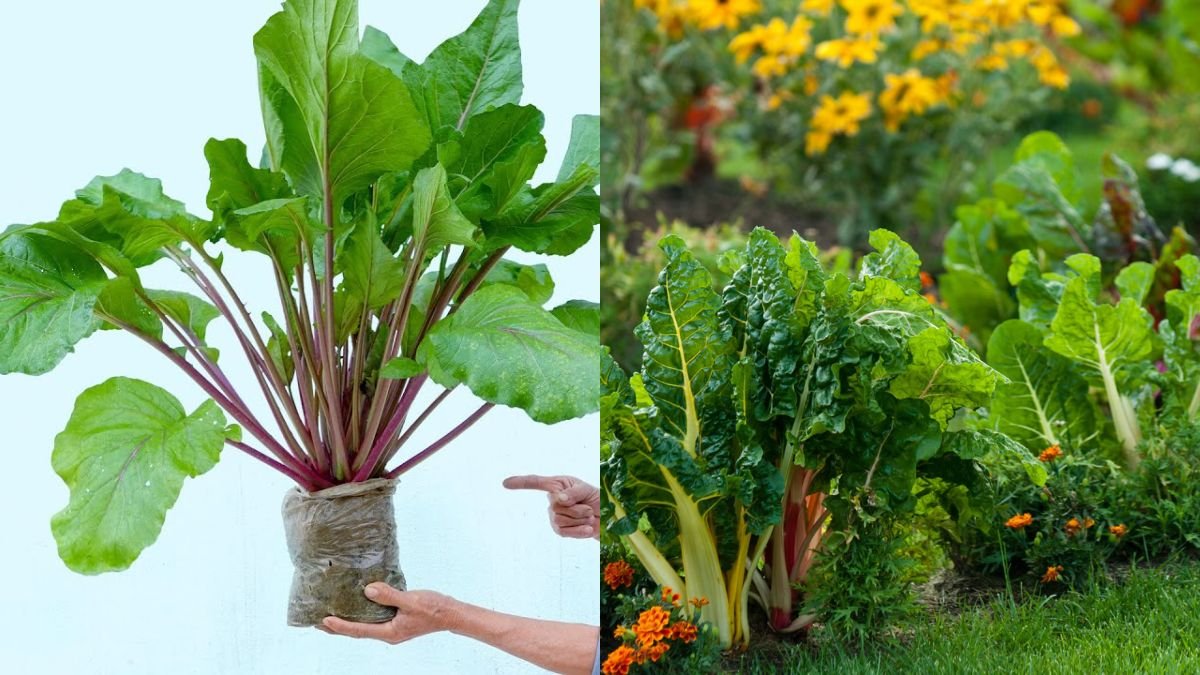
Urban living often means limited space, making traditional gardens a luxury. However, rooftops provide an excellent alternative for vegetable gardening, allowing city dwellers to grow fresh, nutritious produce without a yard. Rooftop vegetable gardens are not only practical but also highly rewarding. They can reduce grocery bills, improve air quality, combat heat islands, and provide a relaxing green space.
With simple techniques, proper crop selection, and minimal investment, you can achieve high yields on your rooftop, even if you are new to gardening. This article explains how to create a productive rooftop vegetable garden, step by step, with [FOCUS KEYWORD].
Why Rooftop Gardening Works
Rooftop gardens offer unique advantages over traditional ground gardening:
- Abundant sunlight: Most rooftops receive uninterrupted sunlight for 6–8 hours daily, ideal for vegetable growth.
- Unused space: Rooftops are often empty, making them ideal for gardening projects.
- Good air circulation: Elevated areas help reduce fungal diseases and pests.
- Reduced ground pests: Being off the ground can limit exposure to certain insects and animals.
Rooftop gardening is scalable. You can start with a few pots and expand as you gain experience.
Choosing the Right Vegetables for Rooftops
Not all vegetables thrive under rooftop conditions. Sun, wind, and space constraints make some crops better suited than others. For high yield and easy care, consider:
Leafy Greens & Quick Harvest Crops
- Spinach, lettuce, mustard greens: Quick-growing, easy to harvest repeatedly.
- Coriander and mint: Continuous harvests, minimal care required.
Sun-Loving Fruit Vegetables
- Tomatoes and cherry tomatoes: Require full sun and give abundant fruit.
- Peppers (chilli & sweet): Compact, productive, and heat-tolerant.
- Beans and cucumbers: Climbers that can grow vertically, saving space.
Moderate Crops
- Eggplant (brinjal): High yield with proper watering and support.
- Okra and ridge gourd: Best grown on trellises for maximum production.
Starting with these vegetables ensures a high yield and allows you to learn rooftop gardening with minimal risk.
Preparing Your Rooftop
Assess Your Space
- Sunlight: Ensure a minimum of 5–6 hours of direct sunlight daily.
- Structural integrity: The roof must support soil, pots, and water weight.
- Drainage: Proper drainage prevents waterlogging, which can damage plants.
Select Containers
You can grow vegetables in:
- Pots and buckets with drainage holes
- Fabric grow bags
- Raised beds or recycled bins
Choose containers deep enough for root growth, typically 12–18 inches, and large enough to hold 5–10 gallons of soil.
Soil Preparation
A fertile, well-draining soil mix is crucial:
- 60% potting soil + 40% compost
- Add perlite or sand for improved drainage
- Include slow-release organic fertilizers to maintain nutrients
Step-by-Step Guide to High-Yield Rooftop Gardening
1. Plant Smart
- Vertical gardening: Train climbing vegetables like beans, cucumbers, and gourds up trellises or nets.
- Succession planting: Sow new seeds after harvesting early crops like lettuce to maximize output.
- Companion planting: Pair plants that benefit each other, e.g., basil with tomatoes.
2. Watering and Fertilization
- Deep watering: Rooftops dry quickly; water deeply to encourage root development.
- Regular feeding: Use compost, liquid fertilizer, or organic inputs every 2–3 weeks.
- Mulching: Retains soil moisture and keeps roots cool.
3. Protect Plants
Rooftops can be windy or very hot:
- Use shade nets for heat-sensitive crops.
- Create natural windbreaks with taller plants or screens.
- Inspect for pests regularly and manage with natural solutions like neem oil.
Advanced Techniques for Maximum Yield
Vertical Towers and Stacked Planters
Vertical structures allow more plants in the same area. Ideal for leafy greens, herbs, and climbers.
Hydroponics
Soilless hydroponic systems boost yield per square meter and accelerate growth. Great for herbs, lettuce, and leafy greens.
Hanging Baskets
Grow trailing crops like strawberries or cherry tomatoes in hanging baskets to save floor space and add visual appeal.
Benefits of Rooftop Vegetable Gardening
- Fresh, chemical-free produce: Harvest at peak freshness.
- Cost savings: Reduce reliance on store-bought vegetables.
- Physical and mental wellness: Gardening promotes exercise and stress relief.
- Sustainable urban living: Helps reduce carbon footprint and utilize urban spaces efficiently.
Recent Trends and News
- Rooftop gardens are increasingly used in urban areas to fight food insecurity and improve air quality. (Times of India)
- Experts recommend fast-growing vegetables like spinach, beans, tomatoes, and cucumbers for maximum yield. (Homes and Gardens)
- Urban rooftops are also being used for community education, teaching people about food production and sustainability. (Inside Climate News)
These examples show how rooftop gardening is both a practical and socially impactful solution for cities.
Authoritative Sources
- Healthline: Practical tips for small-space and rooftop vegetable gardening. (Healthline)
- Idyl: Best vegetables and techniques for rooftop gardening. (Idyl)
- Agri Farming: Hydroponic terrace gardens and high-yield practices. (Agri Farming)
- VegRoof: Guides on vertical rooftop gardening techniques. (VegRoof)
These resources provide detailed guidance for maximizing rooftop vegetable production.
Conclusion
Rooftop vegetable gardening is the easiest way to grow fresh, healthy produce in urban spaces without needing a traditional garden. By using containers, vertical planting, succession crops, and hydroponic systems, you can achieve high yields, even on small rooftops.
With proper crop selection, sunlight management, and soil care, [FOCUS KEYWORD] becomes an achievable reality. Turn your unused rooftop into a productive, green oasis that supplies fresh vegetables year-round while enhancing your home environment.