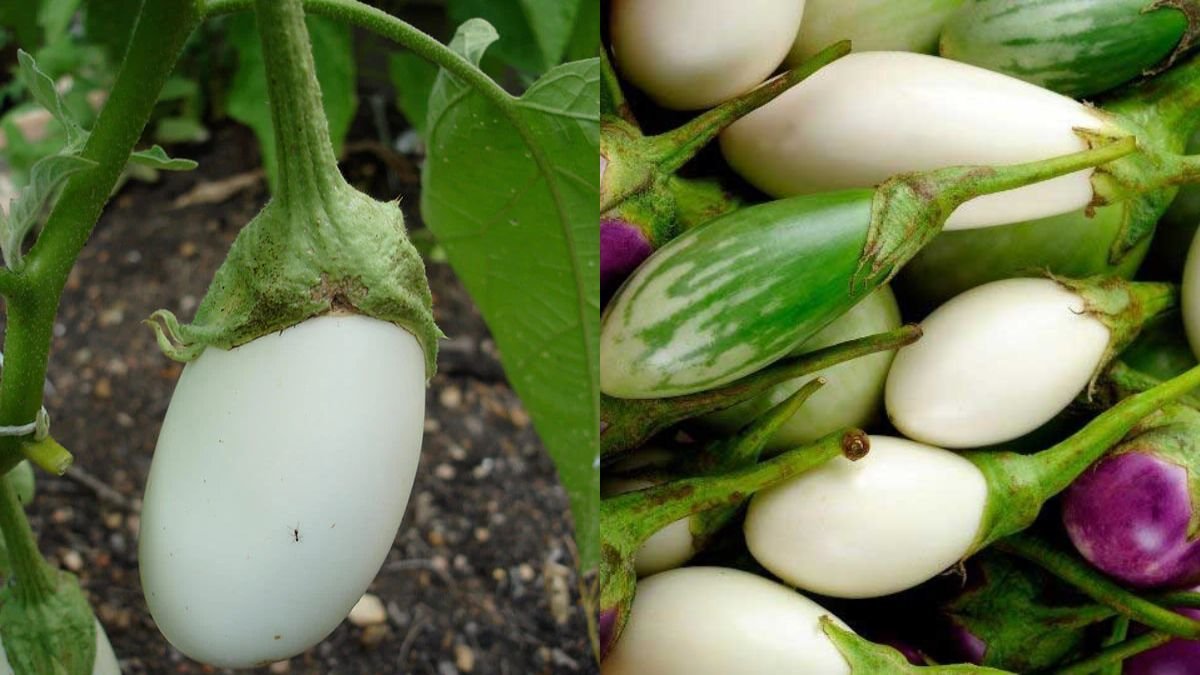
White eggplant, also known as white brinjal or aubergine, is a visually striking and highly versatile vegetable that’s gaining popularity among home gardeners. Unlike traditional purple eggplants, white varieties have smooth, glossy skin and a mild, slightly sweet flavor. They are perfect for grilling, roasting, stir-frying, or baking.
For beginners, white eggplants can be surprisingly easy to cultivate. With the proper guidance, you can grow white eggplant for high yield, easy for beginners, producing an abundant harvest even in small gardens, terraces, or containers. Homegrown white eggplant not only adds a unique touch to your garden but also provides fresh, nutrient-rich vegetables for your family meals.
This guide will walk you through the complete process of growing white eggplant successfully, from seed selection to harvesting, including tips for maximizing yield and avoiding common mistakes. (organicbazar.net)
What Is White Eggplant?
White eggplant is a cultivar of Solanum melongena, the same species as traditional purple eggplants, but with pale, creamy-white skin. It comes in several shapes, including long, slender, or round varieties. Popular cultivars like “White Wonder” and hybrid types have been bred for high yield and disease resistance.
White eggplants have a mild flavor and firm texture, making them suitable for a wide range of culinary preparations. They are also rich in fiber, antioxidants, and essential vitamins, making them a healthy addition to homegrown vegetables. (gardenerguidebook.com)
Growing white eggplant is particularly rewarding for home gardeners because it combines aesthetic appeal with productive yield. Its unique color and taste make it a standout in salads, stews, and grilled dishes.
Selecting Seeds and Starting Plants
Choosing the right seeds or seedlings is the first step toward a successful white eggplant harvest.
- Seed Selection: Look for high-quality seeds marketed for beginners. Varieties bred for disease resistance and high productivity are ideal. Popular options include long white brinjal seeds suitable for terrace gardens or containers. (organicbazar.net)
- Seed Starting: In warm climates, you can sow seeds directly in small pots or trays. In cooler areas, start seeds indoors 6–8 weeks before the last frost to ensure strong seedlings.
- Sowing Tips: Plant seeds ¼ to ½ inch deep in a well-draining seedling mix. Keep soil moist and warm to encourage germination, which typically occurs in 7–14 days.
Once seedlings develop 3–4 true leaves, they are ready for transplanting into garden beds or containers. Strong, healthy seedlings establish faster and produce higher yields. (trucoshogarjardin.com)
Soil, Sunlight, and Temperature
Sunlight: White eggplants require 6–8 hours of direct sunlight daily. Choose a sunny spot in your garden, balcony, or terrace to ensure vigorous growth. (healthy-juice.co)
Soil: Rich, well-draining soil is essential. White eggplants prefer slightly acidic to neutral soil with a pH of 6.0–6.8. Enrich the soil with compost or well-rotted manure before planting to improve fertility and structure. (seedy.farm)
Temperature: White eggplants thrive in warm conditions. Ideal daytime temperatures range between 20–35°C (68–95°F). Protect plants from cold snaps below 10°C (50°F) by using row covers or moving containers indoors.
Planting and Spacing
Proper spacing is essential for air circulation and fruit development:
- Spacing: Keep 18–24 inches between plants in garden beds or containers. This distance ensures adequate airflow and reduces the risk of fungal diseases. (gardenerguidebook.com)
- Containers: For potted plants, use deep containers (30–45 cm) to accommodate roots.
After transplanting, water thoroughly to help seedlings settle and reduce transplant shock.
Watering and Nutrition
White eggplants are heavy feeders and require regular care for high yields.
Watering: Keep soil consistently moist but not waterlogged. Water at the base of the plant to avoid wet foliage, which can encourage fungal diseases. Mulching helps retain moisture and regulate soil temperature. (bandrahillroadmarket.com)
Fertilization:
- Incorporate compost or manure before planting.
- Apply organic fertilizers or compost tea every 2–3 weeks.
- Increase potassium levels during flowering to enhance fruit production.
Regular feeding ensures strong growth, robust flowering, and higher fruit yields. (trucoshogarjardin.com)
Support and Pruning
As white eggplants grow, their branches can become heavy:
- Staking: Use bamboo stakes or cages early to support plants.
- Pruning: Remove damaged or crowded leaves to improve airflow and prevent disease.
Proper support prevents stem breakage and encourages higher fruit production.
Pest and Disease Management
White eggplants are relatively resilient but can attract pests like aphids, whiteflies, and spider mites.
- Neem Oil: Effective natural deterrent for many soft-bodied insects.
- Insecticidal Soap: Safe for home gardens to control pests.
- Regular Inspection: Catch infestations early and remove affected leaves.
Maintain garden hygiene by removing fallen debris and practicing crop rotation to reduce soil-borne diseases. (trucoshogarjardin.com)
Harvesting White Eggplant
White eggplants are generally ready to harvest 60–90 days after transplanting.
- Harvest Indicators: Fruits should be firm, glossy, and fully white.
- Harvest Method: Use sharp shears or knives to cut the fruit, leaving a small stem attached.
- Frequent Harvesting: Encourages the plant to produce more fruits throughout the season. (organicbazar.net)
Avoid leaving fruits on the plant too long, as they may become bitter or seedy.
Culinary Uses and Benefits
White eggplants are highly versatile and nutritious:
- Grilling, roasting, or baking
- Stir-frying and sautéing
- Stews, curries, and casseroles
- Stuffed or layered dishes
They are rich in fiber, antioxidants, and vitamins, promoting healthy digestion and overall wellness.
Common Mistakes to Avoid
| Mistake | Consequence |
|---|---|
| Overwatering | Root rot and reduced yield |
| Insufficient sunlight | Poor flowering and smaller fruits |
| Crowding plants | Reduced airflow and higher disease risk |
| Neglecting fertilization | Stunted growth and fewer fruits |
Avoiding these errors ensures healthier plants and maximum yield.
Suggested Authoritative Sources
- Gardener Guidebook – Beginner White Eggplant Guide: Step-by-step planting, care, and harvesting tips. (gardenerguidebook.com)
- OrganicBazar – White Brinjal Seeds Info: Expert seed selection and growing advice. (organicbazar.net)
- CSR Organics – White Eggplant Seeds: Soil and planting recommendations. (csrorganics.com)
- Trucos Hogar Jardin – White Eggplant Guide: Detailed beginner instructions. (trucoshogarjardin.com)
Conclusion
Growing white eggplant for high yield, easy for beginners is both achievable and rewarding. By starting with quality seeds, providing adequate sunlight, rich soil, proper watering, and support, you can enjoy a steady supply of beautiful and delicious white eggplants.
With consistent care, these plants produce abundant, nutritious vegetables that can be used in a wide range of culinary preparations. From small containers on your balcony to a backyard garden bed, white eggplant is an excellent choice for beginners looking for a high-yield, low-maintenance vegetable.