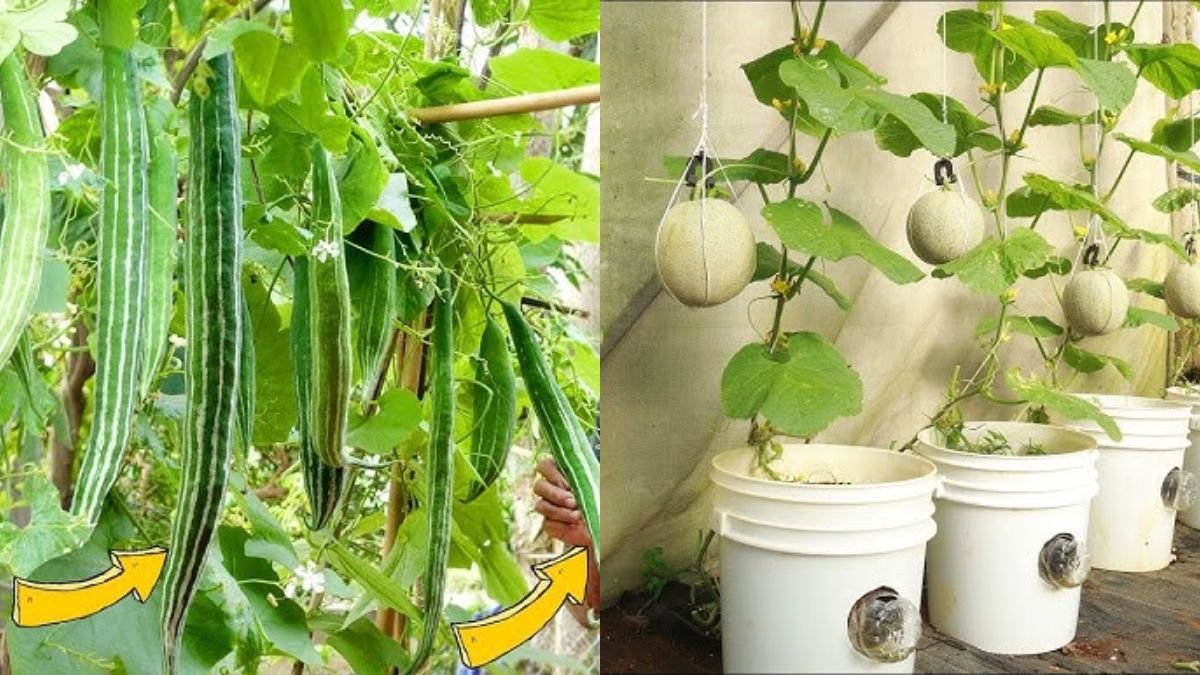
Japanese melons are celebrated worldwide for their sweet aroma, juicy texture, and delicate flavor. While many assume growing these premium fruits requires a large garden or professional expertise, modern home gardening methods make it possible for beginners to cultivate high-yield Japanese melons right on a balcony, terrace, or small backyard. With the right combination of sunlight, soil, water, and care, even novice gardeners can enjoy abundant harvests of these exquisite fruits. (bandrahillroadmarket.com)
In this guide, we’ll walk you through everything you need to know to grow Japanese melons at home, from choosing the right seeds to harvesting fully ripened fruit. Whether your goal is culinary delight or a rewarding gardening hobby, these melons can thrive with minimal space and effort.
Background: Japanese Melons and Home Gardening
Japanese melons, including varieties like muskmelon, net melon, and other sweet hybrids, are prized for their distinct flavor and aromatic sweetness. Traditionally, premium Japanese varieties such as Yubari King are expensive and require careful cultivation. However, similar melon types adapted for home gardens are widely available and relatively easy to grow, even in small containers.
Thanks to advances in container gardening, these melons can now be grown in pots, raised beds, or compact garden plots, making them accessible for beginners. Container gardening also allows for better control of soil, watering, and fertilization — all of which contribute to high yields and healthy fruits. (bandrahillroadmarket.com)
Why Grow Japanese Melons at Home?
There are several compelling reasons to grow melons at home:
- 🍈 Fresh and Flavorful: Enjoy fruit harvested at peak sweetness, far superior to store-bought options.
- 🌿 Beginner-Friendly: With the right guidance, even first-time gardeners can cultivate melons successfully.
- 🪴 Space-Saving: Ideal for terraces, balconies, or small backyard gardens.
- 🌞 Abundant Yield: Proper care and pollination techniques allow for multiple fruits per vine. (bandrahillroadmarket.com)
Homegrown melons provide a rewarding experience — combining hands-on gardening with the joy of harvesting delicious, aromatic fruits.
Best Growing Conditions for Japanese Melons
1. Sunlight and Temperature
Japanese melons thrive in warm conditions with full sun. Ensure your plants receive 6–8 hours of direct sunlight daily. Ideal growing temperatures range from 22°C to 32°C (72–90°F). Melons are sensitive to frost and extreme cold, which can stunt growth and reduce fruit set. (bandrahillroadmarket.com)
2. Soil Requirements
For abundant fruit production:
- Use well-drained, nutrient-rich soil.
- A slightly acidic to neutral pH (6.0–6.5) is ideal.
- Mix in compost or well-rotted manure to provide essential nutrients and maintain moisture.
Healthy soil ensures strong root development and supports vigorous vine growth. (bandrahillroadmarket.com)
3. Space for Vines
Japanese melons are vining plants that spread horizontally. Allow 50–60 cm between plants for adequate airflow and sunlight penetration. Vines can also be trained on trellises to save space, reduce disease risk, and produce cleaner fruit. (bandrahillroadmarket.com)
Step-by-Step Guide to Growing Japanese Melons
1. Selecting Seeds
For beginners, select melon varieties that are:
- Quick-maturing (70–90 days)
- Disease-resistant
- Sweet and aromatic
While premium Japanese varieties like Yubari King may be expensive, similar muskmelon or net melon types perform exceptionally well in home gardens. (bandrahillroadmarket.com)
2. Soil Preparation and Planting
- Loosen soil to a depth of 25–30 cm.
- Incorporate organic compost for nutrition.
- Sow seeds 2–3 cm deep and space plants 50–60 cm apart.
Optionally, start seeds indoors 3–4 weeks before transplanting to ensure vigorous seedlings. (bandrahillroadmarket.com)
3. Watering Practices
- Keep soil consistently moist during early growth and fruit set.
- Deep, infrequent watering encourages strong root systems.
- Reduce watering slightly as fruits ripen to enhance sweetness and prevent splitting.
Avoid overhead watering to reduce fungal disease risk. (bandrahillroadmarket.com)
4. Fertilizing for Maximum Fruit Yield
- Apply balanced fertilizer during vegetative growth.
- Use nitrogen-rich fertilizer early for leaf development.
- Switch to potassium-rich fertilizer during flowering and fruiting to boost fruit size and sweetness.
Avoid excessive nitrogen late in the season, which can lead to leafy plants but poor fruit set. (bandrahillroadmarket.com)
5. Pollination Techniques
Japanese melon flowers are separate male and female blooms. While bees can naturally pollinate them, hand-pollination can increase fruit set, especially in areas with few pollinators:
- Identify male flowers (thin stem) and female flowers (fruit at base).
- Transfer pollen from male to female flowers with a small brush.
- Pollinate in the morning for best results. (bandrahillroadmarket.com)
6. Supporting and Training Vines
Training melon vines on trellises or supports:
- Improves airflow
- Keeps fruits clean and off the ground
- Saves space and minimizes disease
Use soft slings or nets to support growing melons, preventing them from pulling down vines. (bandrahillroadmarket.com)
7. Pruning and Fruit Management
Pruning improves fruit quality:
- Remove excess side shoots to focus energy on primary fruits.
- Limit each vine to 3–5 fruits for larger, sweeter melons.
- Pinch growing tips after fruit set to encourage ripening. (bandrahillroadmarket.com)
Pest and Disease Control
Common pests include aphids, spider mites, and leafminers. Diseases like powdery mildew can also affect melon plants.
- Inspect plants regularly and remove damaged leaves.
- Use organic pest control methods like neem oil or insecticidal soap.
- Maintain clean growing areas to minimize infection. (bandrahillroadmarket.com)
Healthy plants naturally produce more abundant and higher-quality fruits.
Harvesting Japanese Melons
Knowing when to harvest ensures maximum sweetness:
- Look for sweet aroma near the fruit.
- Slight softening at the blossom end signals ripeness.
- Loosening stems or cracked stem tips indicate the melon is ready.
- Well-developed netting patterns on the skin often signify peak maturity.
Use a sharp knife or pruning shears to cut melons carefully, avoiding vine damage. (bandrahillroadmarket.com)
Authoritative Sources for Guidance
- CompleteGardening.com – Practical melon planting and care strategies. (completegardening.com)
- University Extension Guides – Research-based guidance on melon growth, soil, and pest management. (extension.umn.edu)
- AllThatGrows.in – Expert tips for home melon care and harvesting. (allthatgrows.in)
- Homes & Gardens – Fertilization and growth stage management for optimal fruit quality. (homesandgardens.com)
Conclusion
Growing Japanese melons at home with lots of fruit and high yield is entirely achievable for beginners. With warm temperatures, full sun, nutrient-rich soil, consistent watering, fertilization, and proper pollination, you can cultivate sweet, aromatic melons right on your balcony, terrace, or backyard garden.
Even small-space gardeners can enjoy the rewards of homegrown melons by using containers, trellises, and careful plant management. Start your melon-growing journey today and experience [FOCUS KEYWORD] — delicious, abundant, and beginner-friendly fruit cultivation at home!