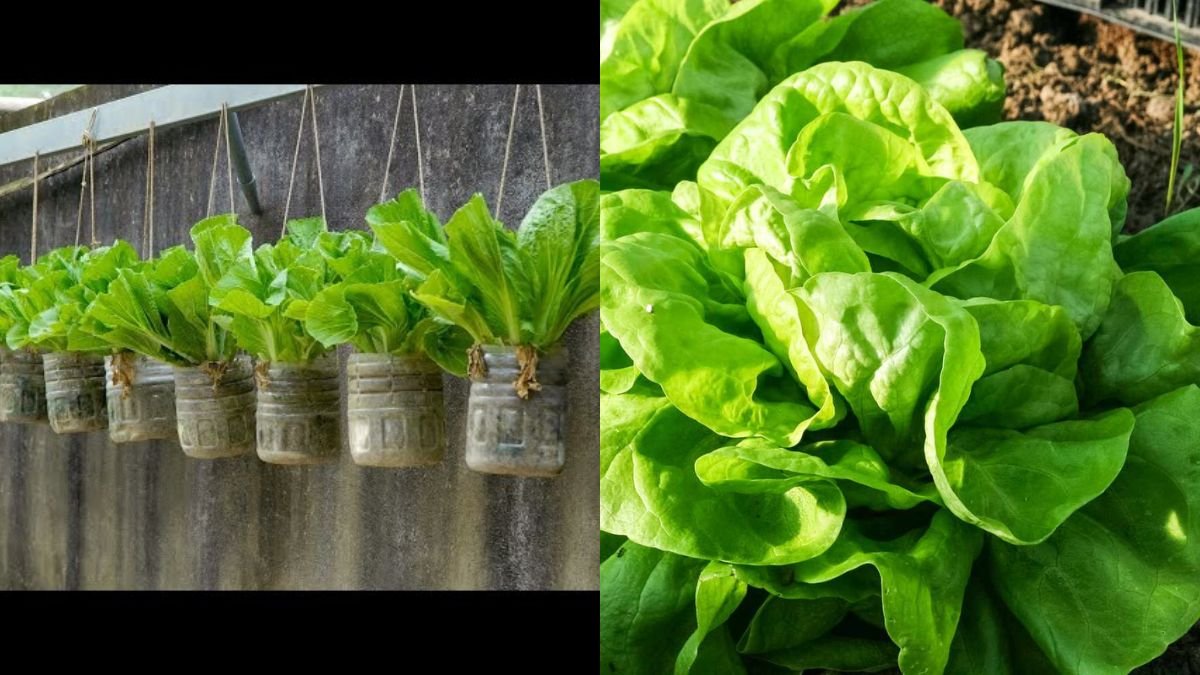
You don’t need a backyard to enjoy the satisfaction of home-grown vegetables. In recent years, there has been a growing trend of indoor gardening, balcony planting, and container vegetable setups, allowing even apartment dwellers to cultivate fresh, healthy produce. Modern techniques make it easier than ever for beginners to grow, maintain, and harvest vegetables at home.
Whether it’s a sunny windowsill, a balcony corner, or a small countertop hydroponics setup, you can grow nutritious vegetables that deliver high yield with minimal effort. From leafy greens and cherry tomatoes to herbs and microgreens, even beginners can experience the joy of home gardening. (creators.yahoo.com)
Growing your own vegetables at home not only provides fresher food but also helps you reduce grocery bills, lower food waste, and enjoy a rewarding hobby. The best part? You can start with a few containers and expand gradually as your confidence grows.
Why Grow Vegetables at Home Without a Garden?
Even small spaces can become productive vegetable gardens. There are several compelling reasons to try container or indoor gardening:
- Fresh, chemical-free produce: Harvest vegetables when they’re ripe for maximum taste and nutrition.
- Space-efficient: Use pots, containers, grow bags, or vertical setups to make the most of limited space.
- Cost-effective: Supplement store-bought vegetables with your own harvest.
- Fast results: Quick-growing crops like lettuce, radish, and microgreens provide visible results in weeks.
Recent trends show that indoor food cultivation is increasingly popular. Home growers are turning balconies, windowsills, and small patios into productive gardens, proving that fresh vegetables are possible without a backyard. (thespruce.com)
Best Vegetables to Grow at Home Without a Garden
Certain vegetables are perfect for container and indoor gardening because of their compact size, fast growth, and low maintenance needs. Here are some excellent beginner-friendly options:
1. Leafy Greens (Lettuce, Spinach, Kale)
Leafy greens are among the easiest crops to grow in pots or indoor setups. They mature quickly—often within 30–45 days—and allow multiple harvests by snipping outer leaves. This makes them ideal for beginners who want fast results. (timesofindia.indiatimes.com)
2. Radishes
Radishes grow very fast, sometimes in just 20–30 days, offering a satisfying early harvest. They are perfect for learning how to care for crops and managing container soil, as they thrive in smaller pots and require minimal attention. (almanac.com)
3. Cherry Tomatoes & Peppers
Compact tomato and pepper varieties such as Tiny Tim tomatoes or dwarf bell peppers do well in pots about 5 gallons or larger. With adequate sunlight, watering, and occasional fertilization, they can produce juicy fruits all season long, adding color and flavor to your balcony or indoor garden. (timesofindia.indiatimes.com)
4. Herbs (Basil, Mint, Coriander)
Herbs are ideal for windowsills, small containers, or hanging planters. They grow quickly, are low maintenance, and provide fresh ingredients for cooking, teas, and garnishes. Frequent harvesting encourages new growth, making them continuous producers in small spaces. (knowlenets.co.uk)
5. Spring Onions & Green Chillies
Spring onions and small chilli varieties are resilient, easy to grow in small containers, and productive even in bright indoor spots or balconies. They are perfect for adding flavor to dishes without requiring much space. (timesofindia.indiatimes.com)
6. Microgreens
Microgreens such as kale, radish, or sunflower sprouts grow quickly and can be harvested in 10–15 days. They are highly nutritious, require very little space, and are perfect for beginner gardeners seeking instant results. (southernliving.com)
Step-by-Step Guide to Growing Vegetables at Home
Follow these steps to get started, even if you have no prior gardening experience:
Step 1: Choose Your Containers
Containers can range from:
- Standard pots with drainage holes
- Grow bags or raised planters
- DIY containers (recycled buckets, storage bins, etc.)
- Window boxes or vertical planters
Always ensure your containers drain well and are appropriately sized for the vegetables you are planting.
Step 2: Select the Right Soil
Use high-quality potting mix enriched with compost or organic matter. The soil should retain moisture but drain well, ensuring strong root growth and healthy plants. (healthline.com)
Step 3: Pick a Sunny Spot
Most vegetables need 4–8 hours of sunlight daily. Ideal locations include:
- South-facing windowsills
- Balcony corners with direct sun
- Indoor areas supplemented with grow lights if natural light is limited (thespruce.com)
Step 4: Watering and Feeding
- Water vegetables when the top inch of soil feels dry. Containers dry faster than garden beds, so they may need more frequent watering.
- Feed your plants every 2–4 weeks with a balanced liquid fertilizer for steady growth and production.
Step 5: Harvesting
- Leafy greens: Cut outer leaves first, leaving the inner leaves to regrow.
- Tomatoes and peppers: Harvest when fully colored and slightly soft to the touch.
- Radishes and microgreens: Pick when roots or sprouts reach the ideal size for eating.
Frequent harvesting encourages new growth and higher yields.
Tips for Beginners
- Start small: Begin with a few pots of easy crops to build confidence.
- Avoid overcrowding: Proper spacing prevents disease and promotes healthy growth.
- Use support systems: Trellises or stakes help climbing plants like peas or cherry tomatoes.
- Be patient and observant: Even fast-growing crops require monitoring for pests, water needs, and sunlight.
Even small container gardens can produce ample, fresh vegetables with a little attention and care.
Creative Growing Ideas
You can expand beyond traditional soil pots:
- Hydroponics: Grow vegetables in water with nutrient solutions—no soil required. Fast, efficient, and ideal for apartments. (creators.yahoo.com)
- Vertical gardens: Use shelves, hanging planters, or wall-mounted pockets to maximize limited space. (southernliving.com)
- Tiered balconies: Stack containers to grow multiple crops in a small area.
Real Home Grower Experiences
Many beginners have successfully harvested:
- Cherry tomatoes, basil, and cilantro in recycled pots
- Spring onions growing from kitchen scraps
- Microgreens ready in under two weeks
These examples prove that a traditional backyard garden is not necessary to enjoy fresh home-grown vegetables. (reddit.com)
Authoritative Sources for Beginners
- Healthline – Growing Your Own Food With Limited Space: Tips for container and indoor gardens (healthline.com)
- Times of India – Easy Balcony Vegetables: Beginner-friendly crops for small spaces (timesofindia.indiatimes.com)
- Knowle Nets – Easy Vegetables to Grow at Home: Step-by-step container tips (knowlenets.co.uk)
- Southern Living – Indoor Gardening: Guides for microgreens and indoor vegetables (southernliving.com)
Conclusion — Fresh Vegetables Are Within Reach
Growing and harvesting vegetables at home—without a traditional garden—is simple, practical, and highly rewarding. With containers, indoor or balcony spaces, and a selection of easy crops, even beginners can enjoy fresh, nutritious, home-grown produce year-round.
Start small with leafy greens, herbs, or radishes, learn the basics of container care, and gradually expand your garden. Whether for fresh salads, flavorful cooking herbs, or a sustainable hobby, home vegetable gardening without a garden is completely achievable.