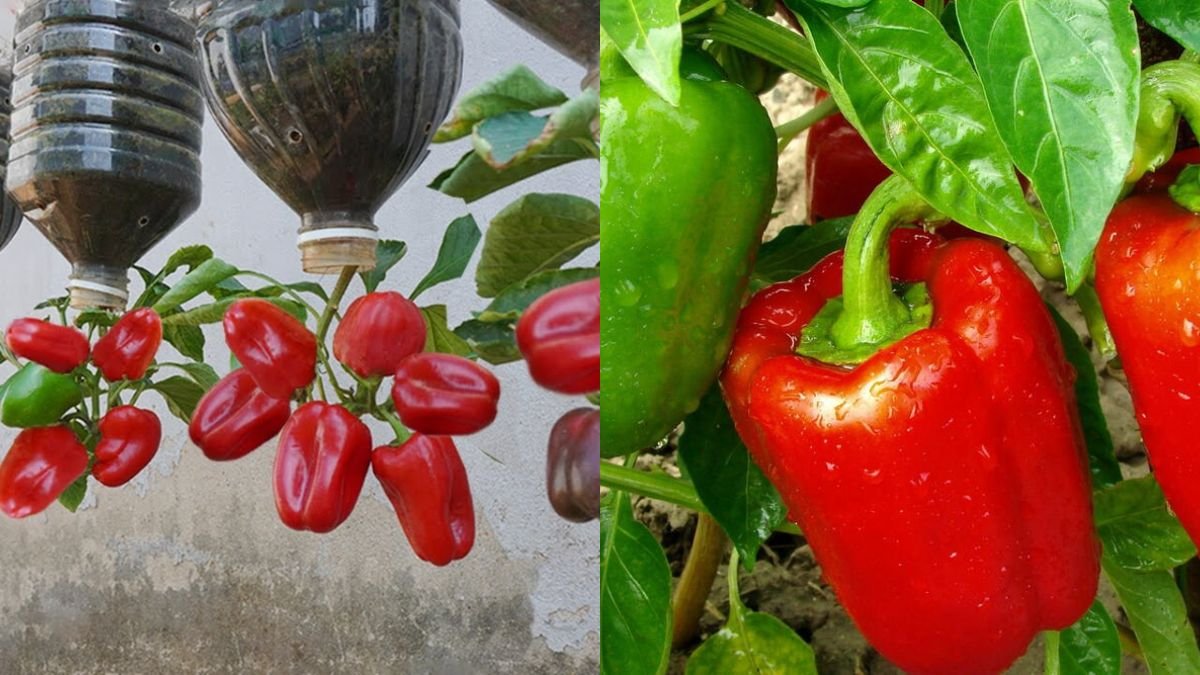
Chili peppers are one of the most satisfying plants to grow — colorful, flavorful, and versatile in the kitchen. But for many gardeners, the challenge isn’t growing peppers at all; it’s getting them to produce an abundant harvest. Fortunately, there are practical ways to make every chili plant more productive.
Many gardeners have discovered an Amazing Idea The way I have used to make chili peppers produce many fruits. It’s not a single trick but a combination of sunlight management, soil nutrition, pruning, pollination assistance, proper watering, plant support, and smart harvesting. When these elements come together, even a few plants can yield dozens of peppers.
This article will guide you step by step to achieve bountiful chili harvests, whether you’re growing them in garden beds, raised containers, or balcony pots.
1. Give Chili Peppers Plenty of Sunlight
Sunlight is the foundation of fruiting. Chili peppers thrive in full sun, and 6–8 hours of direct sunlight daily is ideal for encouraging flowers and fruits. Plants grown in shaded or low-light conditions may produce flowers but fail to set fruit properly.
If you’re growing peppers indoors or in areas with limited sunlight, using full-spectrum grow lights can mimic natural light, promoting flower development and fruiting. Sunlight provides the energy for photosynthesis, strengthens stems, and triggers the flowering that precedes fruit production.
Expert Tip: Rotate potted plants regularly so all sides receive equal sunlight exposure.
2. Use Nutrient-Rich Soil
Healthy plants start with healthy soil. Chili peppers prefer well-draining soil enriched with organic matter. Fertile soil ensures robust root development and maintains consistent moisture, both essential for fruit set.
Fertilizer guidance:
- Early growth: Balanced fertilizers encourage strong vegetative growth.
- Flowering stage: Switch to fertilizers higher in phosphorus and potassium; these nutrients promote flower and fruit development rather than leaf growth.
- Regular feeding: Apply liquid fertilizers or compost tea every 2–3 weeks during the fruiting stage to sustain continuous production.
Caution: Avoid over-fertilizing with nitrogen once the plants start flowering, as excess nitrogen leads to lush leaves but fewer flowers and fruits.
3. Pruning and Plant Training
Pruning directs the plant’s energy toward producing fruit rather than unnecessary foliage. Proper pruning also improves sunlight penetration, airflow, and overall plant vigor.
Pruning tips:
- Remove early flowers when seedlings are young. This encourages strong stems and more lateral branches, which eventually produce more fruits.
- Cut weak or crowded branches to reduce competition for nutrients.
- Trim lower leaves to improve airflow and reduce the risk of fungal diseases.
- Remove suckers growing between the main stem and branches to focus the plant’s energy on fruiting.
Note: Avoid excessive pruning late in the season, as this can stress the plant and reduce fruit production.
4. Assist with Pollination
Most chili varieties are self-pollinating, but manual pollination can dramatically increase fruit set, especially indoors or in areas with low insect activity.
Pollination techniques:
- Shake plants lightly to mimic wind.
- Use a soft brush or cotton swab to transfer pollen between flowers.
- Encourage pollinators by planting herbs and flowers nearby to attract bees.
Assisting pollination ensures that fewer flowers drop prematurely and more mature fruits develop.
5. Consistent Watering
Chili peppers require steady moisture but cannot tolerate soggy soil. Irregular watering — allowing the soil to dry out and then overwatering — can cause blossom drop, where flowers fall off before setting fruit.
Watering tips:
- Water deeply once or twice per week instead of frequent shallow watering.
- Use mulch to retain soil moisture and keep roots cool.
- Avoid wetting leaves to reduce fungal risks.
Consistent watering ensures healthier plants, more flowers, and higher fruit yield.
6. Support Your Plants
As chili plants develop heavy fruits, branches can bend or break under the weight. Providing structural support keeps the plant upright and productive.
Support options:
- Stakes for main stems
- Tomato cages or trellises for bushy or large-fruited varieties
- Soft ties to secure heavy branches
Proper support improves sunlight exposure, airflow, and reduces the risk of fruit loss from broken stems.
7. Proper Spacing
Crowded plants compete for light, water, and nutrients, which can limit fruit production. Proper spacing allows each plant to thrive.
Spacing guidance:
- 12–18 inches between smaller chili varieties
- 18–24 inches between larger bushy or fruit-heavy varieties
- Ensure container-grown peppers also have space for airflow and sunlight
Well-spaced plants are healthier, have fewer diseases, and produce more flowers and fruits.
8. Frequent Harvesting
Harvesting peppers regularly encourages the plant to produce more fruit. Plants respond to fruit removal by generating new flowers and fruit set.
Harvesting tips:
- Use clean, sharp scissors or shears to prevent plant damage
- Harvest peppers when they reach the desired size or color
- Remove overripe fruits promptly to maintain plant vigor
Frequent harvesting prolongs the productive life of your chili plants, giving you multiple harvests per season.
Background Context: Modern Chili Pepper Growing
Gardeners today treat chili plants like high-yield crops. Understanding the plant’s nutritional needs, environmental preferences, pruning and pollination requirements, and proper harvesting techniques transforms ordinary plants into highly productive chili factories.
With these strategies, even container-grown plants or small balcony gardens can yield abundant fruits, providing fresh peppers for cooking and preserving. Urban and home gardeners alike are seeing record yields by combining sunlight, nutrition, pruning, pollination, watering, support, and harvesting practices.
Suggested Authoritative Sources
For more in-depth guidance, consult these expert sources:
- Pepper Joe – How to Increase Pepper Fruiting: Comprehensive tips from seedling to harvest. (pepperjoe.com)
- Galleria Market – Expert Tips for Bigger Harvests: Fertilization, pruning, and fruiting strategies. (galleriamarket.org)
- Chili-Shop24 – 10 Tips for Healthy Chili Plants: Practical care instructions for high-yielding plants. (chili-shop24.com)
- Better Homes & Gardens – Plant Spacing Advice: Recommendations to optimize airflow and sunlight. (bhg.com)
Conclusion
Achieving an Amazing Idea The way I have used to make chili peppers produce many fruits comes down to smart plant care, attention to detail, and consistent management. Sunlight, nutrient-rich soil, pruning, pollination, proper watering, support structures, spacing, and frequent harvesting all work together to maximize fruit production.