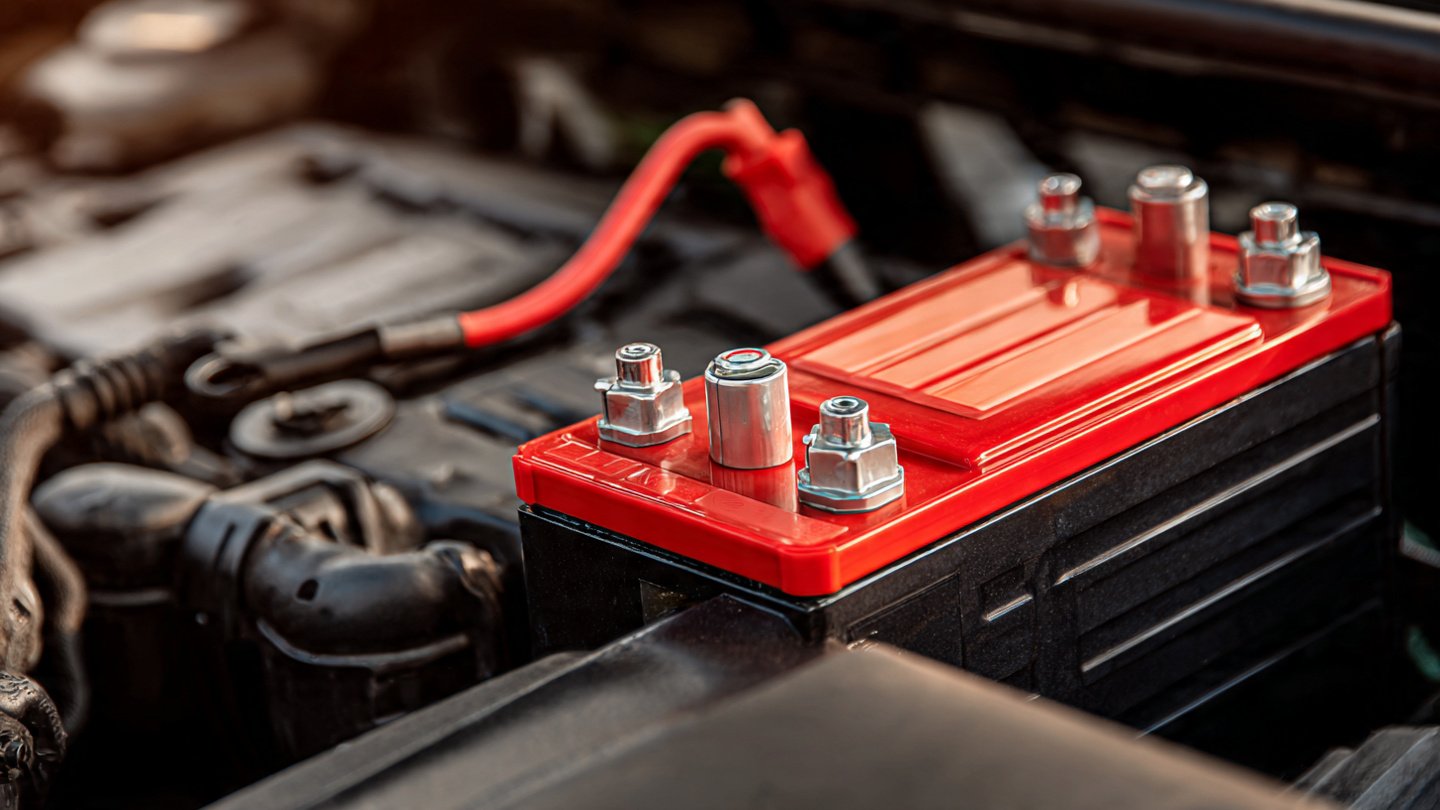
Car batteries are one of the most critical components of any vehicle, providing the necessary power to start the engine, operate electrical systems, and run accessories. Unfortunately, many drivers overlook proper battery maintenance, leading to premature failure and costly replacements. Understanding how to enhance your car battery’s longevity can save you time, money, and the hassle of unexpected breakdowns. This article explores simple tricks and practices to extend the life of your car battery.
Understanding Your Car Battery
Before diving into tips and tricks, it’s essential to understand how car batteries function. Most vehicles use lead-acid batteries, which consist of lead plates and electrolyte solution (sulfuric acid). When the battery is charged, a chemical reaction occurs within the cells, allowing electrical energy to be stored and subsequently released when needed.
Car batteries typically have a lifespan of about three to five years, but various factors can accelerate their deterioration. Extreme weather, improper maintenance, and short drives can all contribute to a shorter battery life. By implementing a few simple practices, you can make a significant difference in how long your battery lasts.
1. Regular Inspection
Regularly inspecting your battery can help catch problems early. Here are some points to focus on during your inspections:
- Corrosion: Look for white, ashy deposits around the terminals. This corrosion can hinder electrical flow and may indicate a deterioration of the battery’s health.
- Connections: Ensure that positive and negative connections are clean and tight. Loose connections can lead to poor performance and can even damage the battery over time.
- Physical Damage: Examine the battery case for cracks or bulges, which may indicate internal problems. If the casing is damaged, it’s often easier to replace the battery than risk it failing completely.
2. Maintain Cleanliness
Keeping your battery clean is essential for optimal performance. Here’s how to stay on top of cleanliness:
- Terminal Cleaning: Use a mixture of baking soda and water to clean corrosion from the terminals. Make sure to disconnect the battery before cleaning to avoid any electrical shorts. After cleaning, rinse with water and dry the terminals thoroughly.
- Battery Tray Cleaning: Dirt and grime on the battery tray can cause corrosion and affect performance. Make sure to remove any debris to keep the battery securely in place.
3. Monitor Charge Levels
If your vehicle is equipped with a battery monitoring system, take advantage of it. Otherwise, invest in a multimeter to regularly check your battery’s voltage. A fully charged battery should read approximately 12.6 volts. If your battery is consistently below this level, it may indicate a problem that requires attention.
4. Avoid Short Drives
Frequent short drives can prevent your battery from being fully charged. Each time you start your vehicle, the battery expends energy, and if it doesn’t get a chance to recharge adequately, it can lead to diminished capacity over time. Try to consolidate trips or take longer drives when possible to allow your battery to reach optimal charge levels.
5. Reduce Electrical Load
Minimizing the electrical load on your battery can extend its life. Here are a few practical ways to do so:
- Turn Off Accessories: Make it a habit to turn off lights, radio, and other accessories before shutting off your vehicle. Many modern cars have features that turn off these items automatically, but it’s good to double-check.
- Limit Seat Heaters and Air Conditioning: These features can draw significant power from the battery. If not required, avoid using them to reduce load.
6. Temperature Matters
Extreme temperatures can negatively impact your car battery’s performance and longevity. Here’s how to help mitigate these effects:
- Protect from Heat: Excessive heat can cause fluid evaporation and internal damage. Whenever possible, park your car in shaded areas or garages, especially during hot months.
- Winter Care: Cold temperatures can reduce battery capacity and make starting your car more difficult. If you live in colder climates, consider using a battery insulation cover to retain heat.
7. Routine Charging
If your vehicle sits for extended periods (such as during winter), consider using a battery maintainer or trickle charger. These devices provide a low-level charge that can keep your battery topped off without overcharging. They are particularly useful for classic cars or seasonal vehicles.
8. Check the Alternator
Sometimes battery issues stem from problems with the alternator rather than the battery itself. The alternator is responsible for recharging the battery while the engine runs. If the alternator is failing, it can lead to battery discharge. Watch for symptoms such as dimming lights or electrical accessories not functioning properly.
9. Invest in Quality
When the time comes for a battery replacement, don’t skimp on quality. It may be tempting to go for the cheapest option, but investing in a reputable brand can make a difference in longevity. Look for batteries with warranties, as these often indicate better construction and reliability.
10. Follow Manufacturer Guidelines
Always refer to your vehicle’s owner manual for specific guidelines regarding battery maintenance and replacement. Different vehicles have varying requirements, and following the manufacturer’s recommendations can lead to better performance and battery life.
11. Disconnect During Long-Term Storage
If you plan to store your vehicle for an extended period, consider disconnecting the negative battery terminal. This can help prevent power drains from electronic systems that may remain active even when the car is off.
12. Use a Battery Monitor
Investing in a battery monitor can provide real-time data about your battery’s health and performance. These devices can alert you to issues before they become significant problems, allowing you to take preventive measures.
13. Keep the Battery Fully Charged
A fully charged battery will last longer than one that is frequently allowed to drain. Make it a habit to keep your battery charged, especially if you notice it frequently discharging due to short trips.
14. Educate Yourself on Signs of Weakness
Being aware of signs that your battery may be weakening can help you take action before failure occurs. Common signs include:
- Slow engine crank when starting.
- Dimming lights or electrical accessories.
- An illuminated battery warning light on your dashboard.
Recognizing these signs early can lead to timely interventions.
Conclusion
Enhancing your car battery’s longevity involves a mix of regular maintenance, mindful habits, and quality choices. By implementing these straightforward tricks, you can significantly reduce the likelihood of unexpected breakdowns and the need for premature battery replacements.
With proper care and attention, your car battery can provide reliable service for its expected lifespan and beyond. Remember, a well-maintained battery not only benefits you but also contributes to your vehicle’s overall performance and reliability. Take these tips to heart, and you’ll be well on your way to enjoying a longer-lasting, trouble-free driving experience.