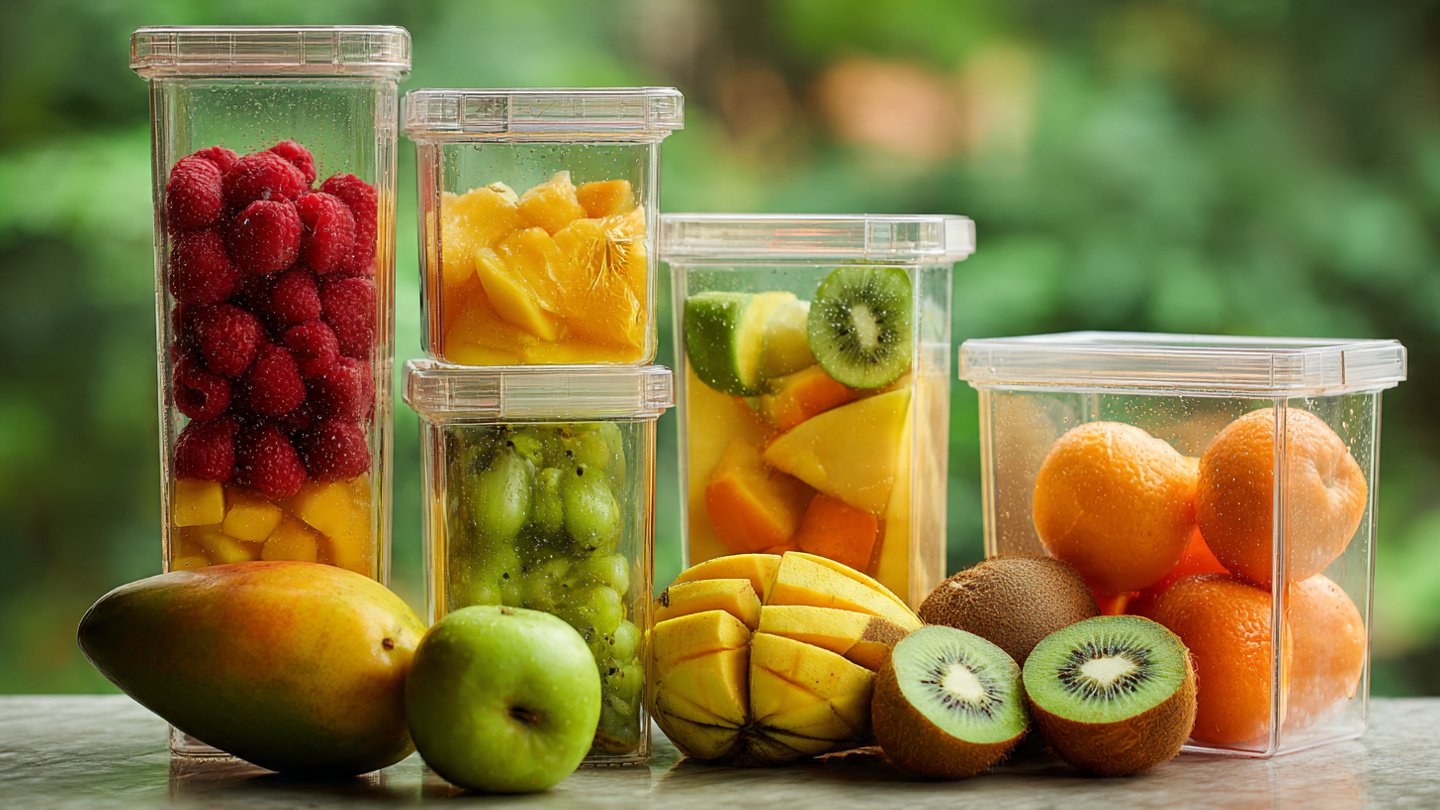
Why Fruits Spoil Quickly in Sealed Containers
Fruits are a vital part of our diet, providing essential vitamins, minerals, and other nutrients. However, one common problem consumers encounter is that fruits can spoil quickly, even when stored in sealed containers. This phenomenon may seem puzzling, but it can be explained by a combination of biological, chemical, and environmental factors. This article will delve into why fruits spoil quickly in sealed containers, exploring the roles of respiration, moisture, microbial activity, ethylene production, and storage conditions.
1. Respiration in Fruits
Fruits continue to undergo metabolic processes after being harvested. One of the key processes is respiration, where fruits convert sugars into energy. This process involves the consumption of oxygen and the release of carbon dioxide. When fruits are placed in sealed containers, the gas exchange is restricted. Consequently, the oxygen levels drop and carbon dioxide levels rise.
While some fruits are climacteric, meaning they continue to ripen after being harvested (e.g., bananas, apples), non-climacteric fruits (like strawberries and grapes) are less able to adapt to high carbon dioxide levels. For climacteric fruits, a spike in ethylene production occurs during ripening, signaling the need for oxygen. In a sealed environment, this process becomes constrained, potentially leading to “overripe” conditions that accelerate spoilage.
2. Ethylene Production
Ethylene is a natural plant hormone produced by fruits during ripening. It is responsible for various physiological processes, including the transition of fruit from maturation to ripening. Many fruits produce ethylene gas, which can influence the ripening of adjacent fruits, sometimes referred to as the “domino effect.”
In sealed containers, the accumulation of ethylene gas occurs because the gas cannot escape. The concentration of ethylene can increase rapidly, leading to accelerated ripening and, eventually, spoilage. High levels of ethylene can induce older fruits to become overripe quickly, increasing the chance of rot and decay.
3. Moisture Accumulation
Sealed containers tend to trap moisture, creating a microenvironment that can become conducive to spoilage. While fruits naturally contain water, a sealed environment can lead to the accumulation of excess humidity. This excess moisture creates ideal conditions for mold and bacterial growth.
Bacteria such as Pseudomonas and molds like Botrytis cinerea thrive in moist environments. When fruits are stored without proper ventilation, the trapped moisture not only promotes microbial growth but can also lead to the development of condensation within the container. This humidity forms droplets that can exacerbate spoilage by causing waterlogged fruit surfaces, leading to further decay.
4. Temperature Fluctuations
Temperature plays a critical role in the longevity of stored fruits. Most fruits have specific recommendations for ideal storage temperatures. However, storing fruits in sealed containers can lead to fluctuations in temperature.
For example, if a container is moved from a cool environment to a warmer one, the trapped heat can accelerate metabolic processes, including respiration and ethylene production. Higher temperatures also weaken cell walls, making fruits more susceptible to tissue breakdown, ultimately leading to faster spoilage.
5. Lack of Air Circulation
Air circulation is vital for maintaining a healthy environment for fruit storage. Sealed containers restrict airflow, which can lead to the buildup of heat and gases, as previously discussed. Without air circulation, the spores from mold and bacteria can easily settle on the fruit without being dispersed.
Moreover, fruits that need to breathe, such as apples, avocados, and bananas, can experience stress in a sealed environment. The lack of proper ventilation can lead to the buildup of respiratory byproducts and ethylene, making it challenging for the fruit to undergo its natural ripening process efficiently.
6. Chemical Reactions
Fruits contain various compounds that may undergo chemical reactions when placed in sealed environments. For instance, sucrose in fruits can gradually break down into glucose and fructose, contributing to a measurable change in sweetness. Some fruits also contain phenolic compounds that can undergo oxidation when exposed to heat and moisture, leading to undesirable changes in flavor, texture, and color.
These chemical reactions can speed up the spoilage process when combined with ethylene production and excess moisture. For example, as fruits break down and produce more sugars, they can attract microorganisms that cause further spoilage.
7. The Role of Ripening Enzymes
Fruits contain enzymes that are crucial for their ripening processes. These enzymes can contribute to spoilage when conditions are not optimal. In sealed containers, the buildup of gases, moisture, and heat can modify the activity of these enzymes.
For example, pectinase breaks down pectin, a polysaccharide that helps maintain fruit structure. When conditions within the sealed container facilitate higher enzyme activity, the fruit can lose its firmness more quickly, leading to mushy or decayed textures. Similarly, enzymes responsible for browning reactions can lead to unattractive and undesirable appearances and flavors in the fruit.
8. Microbial Growth
One of the most critical factors contributing to fruit spoilage in sealed containers is microbial growth. Various bacteria and fungi are constantly present on the surface of fruits. When conditions become favorable, like high humidity and temperature in a sealed container, these microorganisms can proliferate rapidly.
Fungal pathogens such as molds can form visible spores on the surface of the fruit, often resulting in a fuzzy appearance and off-putting odors. Bacterial spoilage can lead to softening and juice leakage in the fruit, compromising its quality. Notably, the more moisture present, the more rapidly microorganisms will proliferate.
9. Methods of Prevention
Understanding why fruits spoil quickly in sealed containers can help consumers and producers take steps to extend their shelf life.
- Ventilation: Using containers with air holes or breathable materials allows gases to escape, preventing ethylene accumulation and facilitating respiration.
- Temperature Control: Store fruits in regulated environments where temperature fluctuations are minimized. Refrigerating fruits can help slow down metabolic processes.
- Moisture Control: Utilize moisture-absorbent materials or containers designed to manage humidity levels. Avoid washing fruits until ready to eat, as this can introduce excess moisture.
- Ethylene Absorbers: Products that absorb ethylene gas can be placed within the container to neutralize the effects of this ripening hormone.
- Separation: Store high-ethylene-producing fruits with low-producing varieties separately. For example, keep apples away from bananas.
- Regular Checks: Inspect stored fruits regularly for signs of spoilage, and remove any affected items immediately to prevent further spoilage.
Conclusion
Fruits spoil quickly in sealed containers due to a complex interplay of biological, chemical, and environmental factors. The confinement of these natural processes can accelerate decay, making it essential for consumers to understand these dynamics. By employing effective storage techniques and being mindful of atmospheric conditions, it is possible to enjoy fresher fruits for longer periods. Understanding the science behind fruit storage encourages better practices, fostering not only economic savings but also a more enjoyable culinary experience.