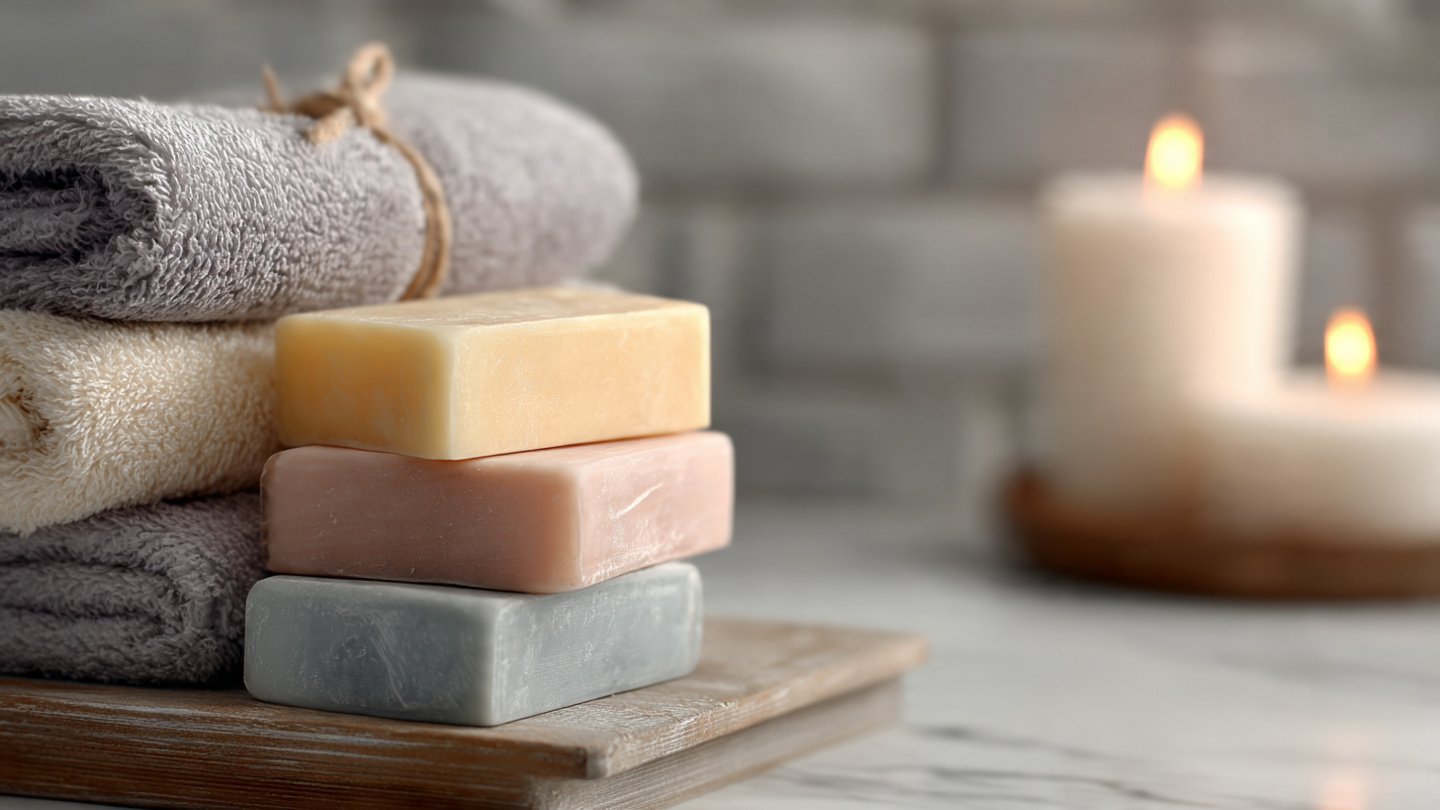
When it comes to maintaining a clean bathroom, many homeowners focus on regular cleaning routines, luxurious décor, and optimal ventilation. However, one critical habit often goes unnoticed and is a significant contributor to soap buildup in your bathroom: improper soap storage. This overlooked factor can lead not only to unsightly soap scum but also to a less hygienic bathroom environment. In this article, we’ll delve into the reasons behind soap buildup, its consequences, and how you can effectively manage this overlooked habit.
Understanding Soap Buildup
Soap buildup is the residue that accumulates on your bathroom surfaces due to the interaction of soap with water, body oils, and other contaminants. Despite soap being designed to cleanse, it can ironically create a mess if not properly managed. When soap is left in moist environments or stored improperly, it encourages the growth of mold and mildew in addition to the accumulation of scum.
What Causes Soap Buildup?
Several factors contribute to soap buildup in your bathroom:
- Moisture: Bathrooms are inherently humid, providing the perfect environment for soap residue to cling to surfaces.
- Hard Water: Mineral-rich water can leave behind deposits that mix with soap, creating soap scum.
- Improper Soap Storage: Leaving soap bars in wet or poorly ventilated areas can accelerate buildup.
The Impact of Soap Buildup
The consequences of neglected soap buildup extend beyond aesthetic concerns. Here are some significant impacts you might face:
- Unpleasant Odors: Accumulated soap scum can become a breeding ground for bacteria, resulting in foul smells.
- Mold and Mildew: Excess moisture and soap residue create a welcoming environment for mold and mildew growth, which can pose health risks.
- Increased Cleaning Efforts: Failing to manage soap buildup can make routine cleaning tasks more labor-intensive.
- Corrosion of Surfaces: Over time, soap scum can deteriorate bathroom surfaces such as tiles, glass, and faucets.
How Improper Soap Storage Contributes to Buildup
Most people overlook the habit of how they store their soap, yet this negligence can lead to significant problems. Here are some common mistakes:
- Leaving Soap in the Shower: Keeping soap bars in the shower exposes them to constant moisture, accelerating soap buildup.
- Using Soap Dishes with Poor Drainage: Soap dishes that do not allow water to drain can lead to soap sitting in water, causing deterioration.
- Storing Soap in Enclosed Spaces: Closed containers can trap moisture, promoting bacterial growth and soap scum.
Solutions to Prevent Soap Buildup
1. Proper Soap Storage
To combat soap buildup, consider these storage solutions:
- Choose soap dishes that have drainage holes or raised designs allowing excess water to escape.
- Store soap in a well-ventilated area, away from direct moisture, such as an open shelf instead of inside the shower.
- Consider using liquid soap dispensers that are less prone to buildup and are easier to refill.
2. Regular Cleaning Routine
Implement a consistent cleaning routine that specifically targets soap scum. Use a non-abrasive cleaner and a damp cloth to wipe down surfaces frequently. Target areas behind sinks, around bathtubs, and on shower walls.
3. Optimize Bathroom Ventilation
Good ventilation helps reduce humidity in your bathroom. Make sure your bathroom has an exhaust fan, or consider opening windows to allow fresh air to circulate after showers, minimizing moisture accumulation.
Enhancing Your Bathing Experience
Beyond addressing soap buildup, consider enhancing your bathing experience with these tips:
- Invest in high-quality, quick-drying towels to limit moisture in your bathroom.
- Consider using bath mats that can be washed regularly to decrease moisture retention.
- Invest in decorative baskets or organizers that keep toiletries neat and encourage dry storage of soap and bathing products.
Conclusion
Soap buildup in your bathroom is often overlooked, but understanding its causes—especially improper soap storage—can lead to a cleaner, more hygienic environment. By making small changes to your soap storage habits, implementing regular cleaning routines, and optimizing ventilation, you can drastically reduce soap scum and enhance your bathing experience. Prioritize these habits and enjoy a fresher, healthier bathroom, which not only looks better but also promotes a more enjoyable daily routine.
FAQs
What is soap scum?
Soap scum is a residue that forms when soap combines with hard water minerals, body oils, and dirt. It appears as a filmy coating on surfaces and can be challenging to remove.
How can I easily remove soap scum?
You can remove soap scum using a mixture of vinegar and baking soda. Apply the paste to the affected area, let it sit for a few minutes, and then scrub with a sponge before rinsing off.
Is liquid soap better than bar soap for preventing buildup?
Liquid soap can be a better option because it often comes in dispensers that minimize contact with water between uses, reducing the chance of buildup. However, bar soaps can be managed if stored properly.
How often should I clean my bathroom to prevent soap buildup?
It’s recommended to clean your bathroom at least once a week, focusing on high-moisture areas like the shower and sink to proactively manage soap scum and buildup.
Can hard water contribute to soap buildup?
Yes, hard water contains minerals that react with soap, leading to the formation of soap scum. If you have hard water, consider using a water softener to help prevent buildup.