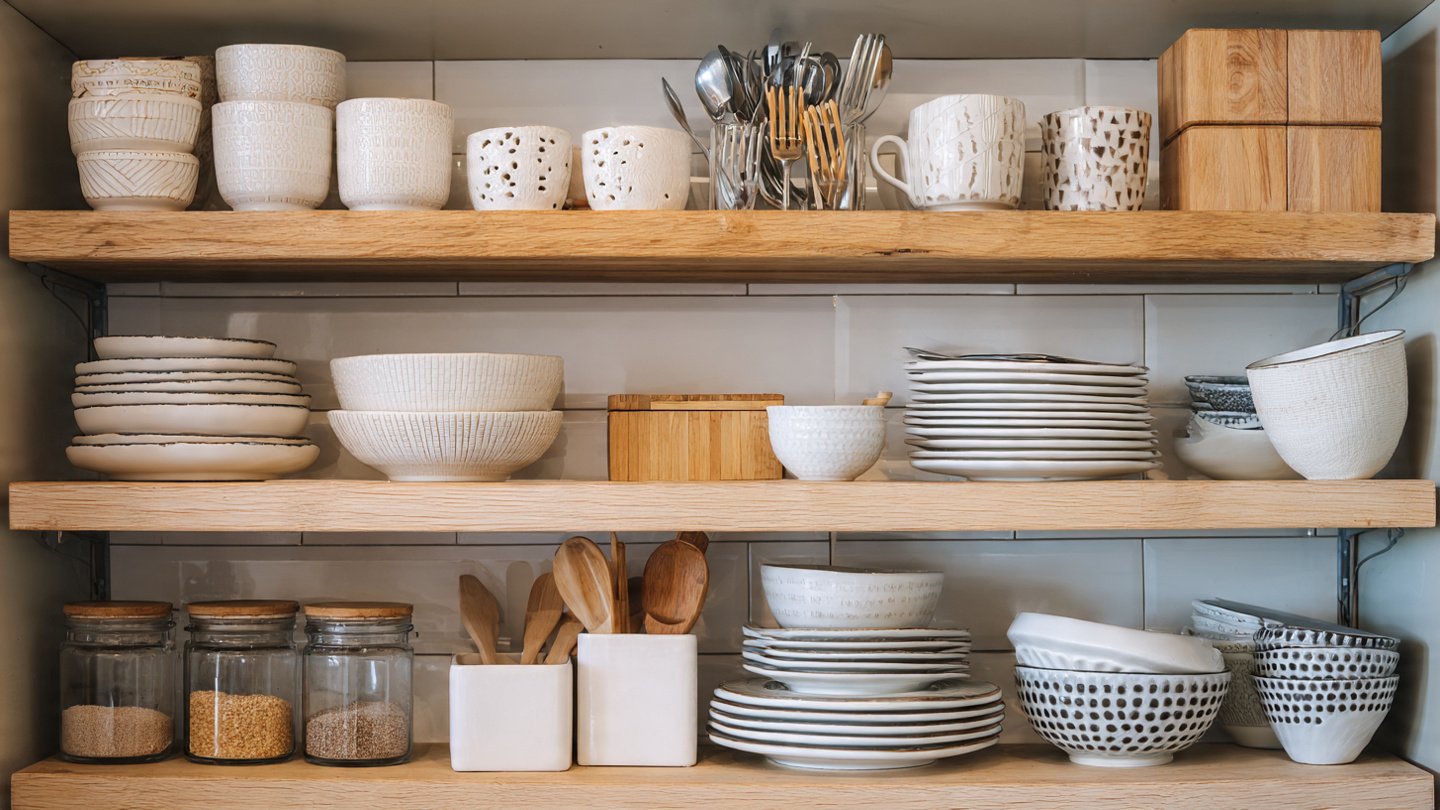
A well-organized kitchen can transform the way you cook and interact with your space daily. Cluttered shelves can lead to frustration, inefficiency, and a lack of inspiration. However, a simple trick can make a significant difference in your kitchen organization. This article will delve into effective strategies for organizing your kitchen shelves, centered around a single, powerful technique that can streamline the process.
The Importance of an Organized Kitchen
Before diving into the trick, it’s essential to understand why an organized kitchen matters. An organized kitchen not only looks aesthetically pleasing but also enhances functionality. Here are some benefits of kitchen organization:
-
Efficiency: When everything has a designated spot, you spend less time searching for items and more time enjoying the cooking process.
-
Cleanliness: Clutter tends to attract dust and grime. An organized kitchen is easier to clean, promoting better hygiene.
-
Creativity: A clean and organized space can inspire creativity in meal preparation and spark interest in trying new recipes.
-
Stress Reduction: A chaotic kitchen can lead to stress. An organized space contributes to a calmer cooking environment.
-
Maximized Space: Smart organization helps you make the most of your available space, ensuring you can store everything you need without overcrowding.
The Simple Trick: “Zone Organizing”
The trick to elevating your kitchen organization is known as “zone organizing.” This method involves dividing your kitchen into specific zones, each designated for a particular category of items. By organizing your kitchen this way, you ensure that everything is easily accessible and logically placed. Let’s break down this method step by step.
Step 1: Assess Your Space
Begin by taking a good look at your kitchen shelves. Take note of:
- What items you currently have: Pots, pans, plates, utensils, spices, and appliances.
- How frequently you use these items: Daily items should be more accessible, while infrequently used items can go higher up or towards the back.
Step 2: Define Your Zones
Identify zones based on your cooking habits. Here are some common zones to consider:
-
Cooking Zone: This area should include pots, pans, baking sheets, and measuring cups. Consider placing this zone near the stove for easy access.
-
Prep Zone: Organize your cutting boards, knives, mixing bowls, and other prep tools here. Ideally, this zone should be adjacent to your cooking zone.
-
Serving Zone: This is where you’ll keep plates, bowls, and serving utensils. If you entertain often, consider keeping this zone close to your dining area for convenience.
-
Pantry Zone: Keep dry goods, canned items, and baking supplies. Organize this area by categories like grains, snacks, and spices.
-
Appliance Zone: Designate a space for your large appliances—blenders, toasters, mixers, etc. Limit the number of appliances out on the counter to reduce clutter.
-
Cleaning Zone: Store cleaning supplies and dishware. This zone should be near your sink for practical purposes.
Step 3: Empty and Sort
Once you’ve defined your zones, it’s time to empty your shelves. Take everything out, and start sorting:
- Keep: Items you use regularly and are in good condition.
- Donate: Items still usable but that you no longer need.
- Discard: Broken items or things that have been expired.
Step 4: Organize by Frequency and Function
When placing items back on the shelves, consider the frequency of use:
- Everyday Use: Place frequently used items at eye level for easy access.
- Occasional Use: Store less frequently used items (like seasonal cookbooks) higher up.
- Rarely Used Items: Keep items that are used very infrequently in harder-to-reach areas.
Step 5: Utilize Vertical Space
Maximizing vertical space is crucial in kitchen organization. Consider the following tips:
- Stackable Containers: Use clear, stackable bins to store similar items together, making it easy to see what you have.
- Shelving Units: If your shelves have space above, add extra shelving or tiered racks to make use of that area.
- Hooks and Racks: Install hooks on the sides of shelves for utensils, or use magnetic strips for knives.
Step 6: Label Your Zones
For the ultimate in organization, label everything! Labels help everyone in the household understand where items belong, ensuring your organization system remains intact. Consider these labeling methods:
- Printed Labels: Use a label maker for a clean and uniform look.
- Chalkboard Labels: These are great for jars and containers, allowing you to change contents easily.
- Color-Coded Labels: Different colors can denote different zones, making organization visually friendly.
Step 7: Maintain Your System
An organized kitchen requires ongoing maintenance. Schedule periodic check-ups to ensure everything remains in its designated place. Here are some tips:
- Weekly Checks: Set aside time each week to tidy up and ensure items are returned to their zones.
- Seasonal Reassessment: Every few months, reassess your zones and contents. If certain items are no longer being used, consider donating them.
- Involve Family Members: Teach everyone in your household about the system. This ensures accountability and shared responsibility.
Additional Tips to Enhance Organization
While zone organizing is the backbone of your kitchen organization, here are a few additional tips to consider:
-
Use Clear Containers: Transparent storage solutions help you see what’s inside at a glance, preventing overbuying.
-
Group Similar Items: Keep similar items together to simplify finding what you need. For example, group baking essentials like flour, sugar, and baking powder.
-
Place Like with Like: Keep utensils, tools, and gadgets of a similar function together to streamline your cooking process.
-
Drawer Dividers: Invest in dividers for drawers to separate utensils, making it easier to find items without rummaging.
-
Use the Door Space: Don’t forget cabinet doors! Use hooks or small racks to hold spices or utensils, maximizing every inch of space.
Conclusion
A well-organized kitchen is within your reach utilizing the simple yet effective technique of zone organizing. By breaking your kitchen into functional zones, assessing your items, and implementing strategic organization methods, you’ll create a space that is both efficient and inviting. Remember, the keys to long-lasting organization are assessing, maintaining, and occasionally reassessing your system. With these principles in mind, cooking can become a joy rather than a chore, allowing you to create delicious meals in an environment designed for functionality and ease. Happy organizing!