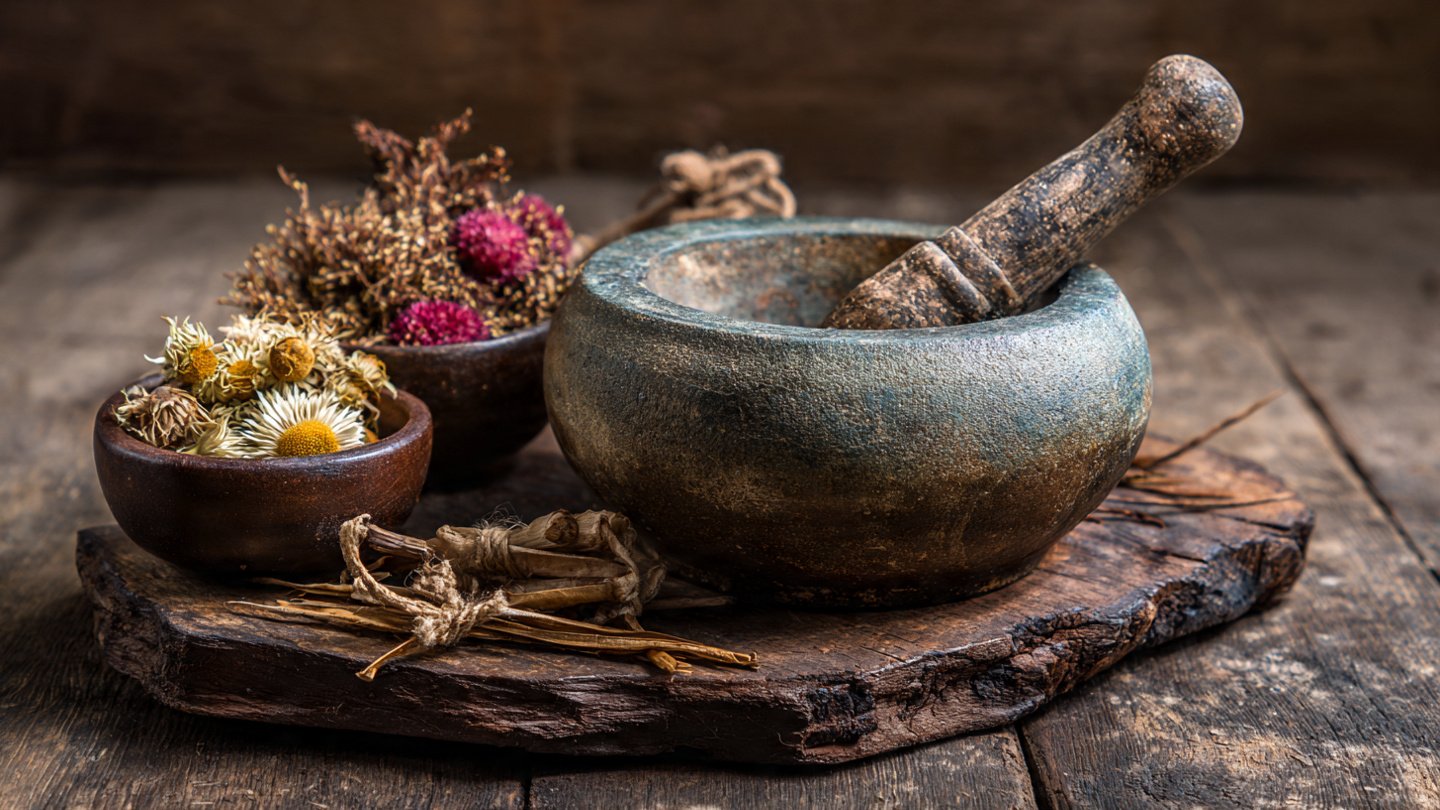
Traditional healing practices have been employed for centuries across cultures, often guided by deep-seated beliefs and experiences. An important yet often overlooked aspect of these practices is the timing associated with the administration of remedies. This article explores the significance of timing in traditional remedies, examining its impact on efficacy, cultural considerations, and the integration of these practices into contemporary health care.
The Essence of Timing in Healing
1. Historical Perspectives
Throughout history, various civilizations have recognized the importance of timing in healing. Ancient Chinese medicine, for example, is rooted in the concept of Yin and Yang, which emphasizes balance. TCM (Traditional Chinese Medicine) adheres to specific times for treatment based on the body’s circadian rhythms, seasonal changes, and even lunar phases. The ancient Egyptians also had a profound understanding of nature’s cycles, linking them to health and well-being.
2. Circadian Rhythms
Circadian rhythms significantly influence how our bodies respond to treatments. These biological processes follow a roughly 24-hour cycle, regulating sleep, hormone release, and other bodily functions. In traditional remedies, the timing of administration can enhance or diminish a remedy’s effect:
-
Herbal Remedies: Many herbalists recommend taking certain herbs at specific times of day to align with these rhythms. For instance, adaptogens like ashwagandha are often suggested for evening intake, as they promote relaxation.
-
Acupuncture: Practitioners of acupuncture consider the time of day when specific meridians are most active. Treatments are tailored to coincide with these rhythms, optimizing outcomes.
3. Seasonal Timing
In various traditional cultures, seasons play a crucial role in determining the appropriateness and timing of remedies. Different herbs and treatments are associated with seasonal changes:
-
Spring: Associated with renewal and cleansing, remedies may be focused on detoxifying the body. Bitter herbs, which stimulate digestion and liver function, are commonly recommended.
-
Summer: This season is linked to vitality and energy. Energy-boosting herbs and cooling treatments may be recommended to combat heat stress and promote health.
-
Autumn and Winter: As the body prepares for the colder months, remedies often focus on strengthening immunity and preserving warmth. Warming spices such as ginger and cinnamon may be favored.
Cultural Significance of Timing
1. Cultural Beliefs and Practices
Different cultures have unique approaches to the timing of remedies that are embedded in their belief systems.
-
Ayurvedic Medicine: In Ayurveda, practitioners emphasize “Kala” (timing) as vital. The day is divided into different dosha times, and treatments are prescribed accordingly. For example, “Vata” time in the evening might be better suited for grounding and calming therapies.
-
Indigenous Practices: Many indigenous healing practices incorporate lunar cycles and seasonal changes into their protocols. Certain remedies may only be administered during particular lunar phases for optimal effectiveness.
2. Rituals and Traditions
Timing is often intertwined with ceremonial practices and rituals. The administration of remedies can be part of larger healing ceremonies often tied to specific times of day or particular seasons.
-
Plant Harvesting: In many traditional societies, plants are harvested during specific lunar phases or times of day for optimal potency. This knowledge is passed down through generations, emphasizing the deep connections between nature and healing.
-
Fasting and Feeding: In many cultures, fasting is integrated into healing practices. The timing of meals can be crucial; for instance, some traditions may advocate fasting during the new moon while consuming detoxifying herbs.
The Scientific Basis of Timing
1. Pharmacokinetics and Pharmacodynamics
The principles of pharmacokinetics and pharmacodynamics can help explain why timing is essential in many healing practices.
-
Absorption and Metabolism: The body processes substances at different rates, influenced by factors such as food intake, time of day, and individual metabolism. For example, herbal remedies may interact with food, impacting their efficacy.
-
Synergistic Effects: Timing can enhance the synergistic effects of certain compounds when taken together or staggered appropriately over the day.
2. Research Evidence
While traditional knowledge forms the basis for many practices, contemporary research is beginning to validate some of these timings.
-
Chronotherapy: This emerging field studies the effects of timing on treatment efficacy. For example, studies have shown that certain medications are more effective when taken at specific times of day based on biological cycles.
-
Herbal Studies: Research into the bioavailability of herbs suggests that taking certain herbal remedies at designated times can lead to enhanced efficacy.
Integration into Modern Practices
1. Bridging Traditional and Contemporary Medicine
Understanding the timing of traditional remedies allows for better integration into modern health care systems. More practitioners are beginning to respect the intricate relationships between circadian rhythms, seasonal cycles, and individual lifestyles while treating patients holistically.
2. Patient Education
Educating patients about the timing of remedies is crucial. Patients with chronic conditions may benefit from understanding not just what to take, but when to take their remedies for optimal effects.
3. Personalized Timing
As personalized medicine becomes more prevalent, recognizing individual responses to timing can lead to improved compliance and outcomes. For instance, a personalized approach in which healthcare providers consider cultural backgrounds and experiences can enhance treatment efficacy.
Challenges and Considerations
1. Modern Lifestyle Conflicts
Many traditional remedies call for specific timings that might conflict with modern lifestyles. Urban living, with its round-the-clock hustle, makes it challenging for individuals to adhere to traditional timings.
2. Limited Research
While there is growing evidence supporting the significance of timing, more scientific studies are needed to bridge the gap between traditional practices and modern medicine. This will help formulate guidelines that can be disseminated widely.
3. Cultural Sensitivity
Integrating timing practices requires cultural sensitivity. Not all practices will resonate with every patient. It is vital for healthcare providers to respect individual beliefs while providing evidence-based recommendations.
Conclusion
Understanding the importance of timing in traditional remedies can enhance healing processes, enrich patient care, and bridge gaps between ancient practices and modern medicine. By recognizing the influence of circadian rhythms, seasonal changes, cultural beliefs, and individual lifestyles, healthcare providers can create more effective treatment plans. The importance placed on timing in traditional remedies is not simply a relic of the past; it is a valuable component of holistic health that deserves attention in contemporary medical practices. With further research and integration, these ancient wisdoms may well inform a more effective and comprehensive approach to health and healing in the future.