When you are driving down a bumpy road, do you hear unusual noises from your car’s suspension? This issue is not just an annoyance; it can indicate underlying problems affecting the safety and performance of your vehicle. Understanding why your car suspension is noisy when encountering bumps can help you address these issues promptly, ensuring a safer and more comfortable driving experience. This article will delve into common causes, symptoms, and solutions related to noisy car suspensions.
What Is Car Suspension?
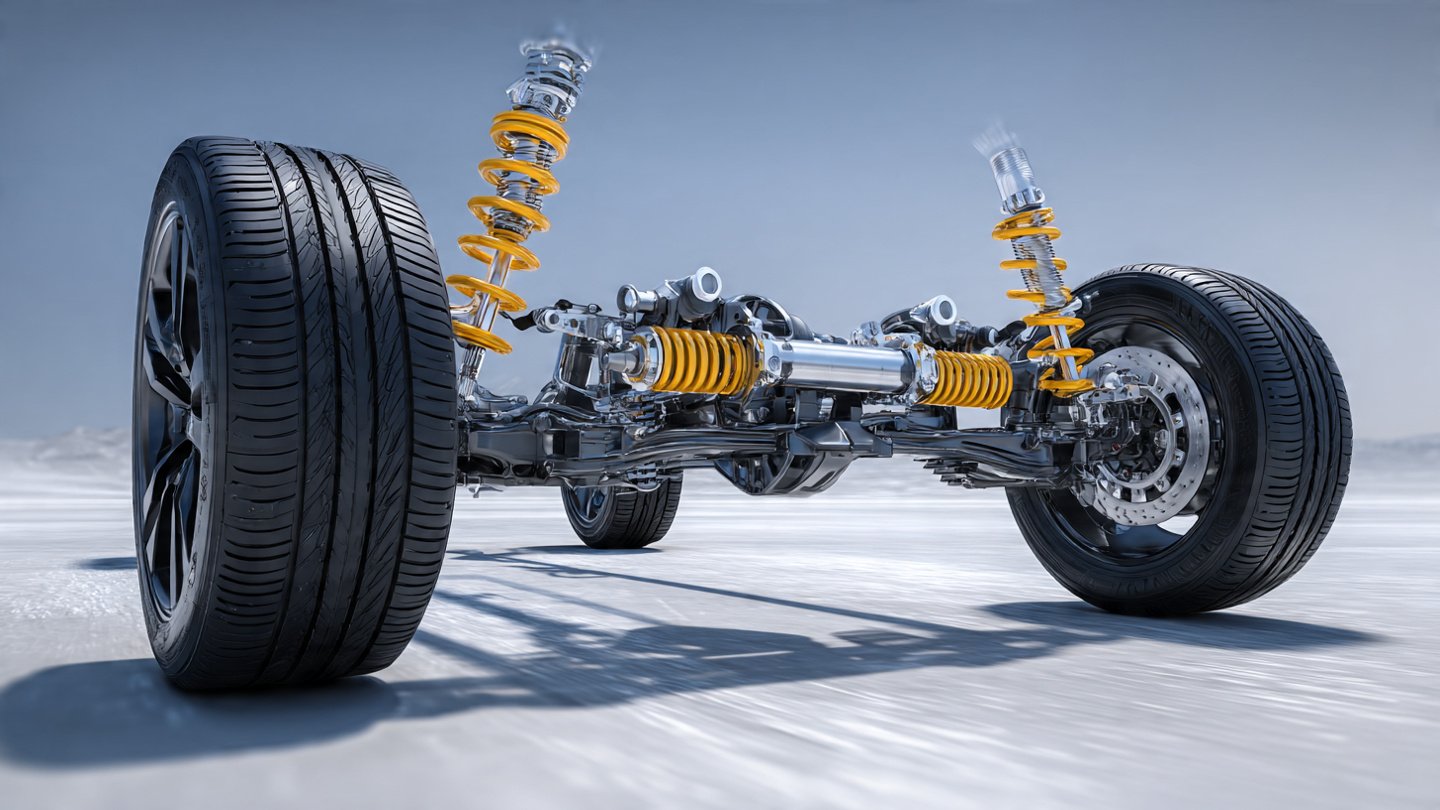
Before addressing the noise, it’s essential to understand what a car suspension system is and its importance. The suspension system connects the vehicle’s body to its wheels, ensuring a smooth ride by absorbing shocks from uneven surfaces. It comprises various components, including shocks or struts, springs, control arms, sway bars, and bushings.
These components work in unison to maintain vehicle stability, enhance ride comfort, and improve handling. When functioning correctly, the suspension allows for better tire contact with the road, which is crucial for vehicle control and safety.
Common Causes of Noisy Suspension
1. Worn Out Shocks or Struts
Shocks and struts are critical for absorbing impacts from bumps and dips in the road. Over time, these components can wear out, leading to a decline in their performance. Signs of worn shocks or struts often include:
- Excessive bouncing after hitting a bump.
- Nose diving during braking.
- Swerving or instability during turns.
When these components wear out, you may hear clunking or banging noises when passing over bumps.
2. Damaged Bushings
Bushings are rubber or poly components that cushion and reduce friction between moving parts of the suspension system. Over time, they can degrade or become brittle due to exposure to heat, chemicals, and wear. Worn or damaged bushings can cause:
- Creaking or squeaking noises while driving.
- Clunking sounds when hitting bumps.
- Poor handling or responsiveness.
Addressing damaged bushings promptly can prevent further stress on other suspension parts.
3. Broken Springs
The springs in your suspension system absorb the shocks from bumps and help maintain the vehicle’s height. If a spring is broken or has lost tension, it can result in:
- A noticeable drop in one side of the vehicle.
- Increased noise when encountering bumps.
- A rougher ride quality.
Broken springs not only contribute to noise but also affect your vehicle’s handling and stability.
4. Loose or Damaged Control Arms
Control arms are crucial components that connect the wheel hub to the vehicle’s frame. They allow for up and down movement of the suspension while keeping the wheels aligned. If a control arm becomes loose or damaged, you may experience:
- Clanking sounds or rattling noises when hitting bumps.
- Vibration in the steering wheel or the car itself.
- Uneven tire wear.
Tightening or replacing damaged control arms can often resolve these noise issues.
5. Faulty Sway Bars
Sway bars (or anti-roll bars) are designed to reduce body roll during turns and provide better stability. If the sway bar links or bushings are worn, you may hear knocking or clunking sounds when going over bumps or making turns. Symptoms may include:
- A feeling of instability in the vehicle.
- Excess body roll during sharp turns.
Replacing worn sway bar components can improve comfort and handling while eliminating noise.
6. Loose or Damaged Exhaust System
Sometimes, the noise that seems to originate from the suspension system actually comes from a loose or damaged exhaust system. Exhaust parts can vibrate against the chassis, creating a clanking noise that can be mistaken for suspension issues. To diagnose this:
- Inspect the exhaust system for any visible signs of damage or looseness.
- Pay attention to whether the noise persists when driving over bumps.
If this is the case, securing or replacing the exhaust components can resolve the noise.
Diagnosing Noisy Suspension Problems
If you are experiencing noisy suspension, it is crucial to diagnose the issue accurately. Here are some methods to help pinpoint the problem:
1. Visual Inspection
Start with a thorough visual inspection of the suspension components. Look for:
- Signs of wear, such as cracks or tears in bushings.
- Leaking fluid from shocks or struts.
- Broken springs or damaged control arms.
2. Bounce Test
Perform a bounce test on each corner of the vehicle. Push down hard on the front or rear end of the car and release. Observe how many times the vehicle bounces before settling. Ideally, it should settle after one to two bounces. Excessive bouncing may indicate worn shocks or struts.
3. Listen for Noises
Pay attention to the type of noise your suspension makes when driving over bumps. Clunking, rattling, or creaking can help you narrow down the suspected component.
4. Take It to a Mechanic
If you are unable to identify the issue, it may be time to take your vehicle to a qualified mechanic. They can perform a more comprehensive inspection, identify the problem, and recommend appropriate solutions.
Solutions for Noisy Suspension
Once you identify the problem, the next step is to consider the solutions available:
1. Replace Worn Components
If your diagnosis points to specific components, such as shocks, struts, or bushings, replacing these parts is often the most effective solution. Ensure that you use quality parts that meet OEM (original equipment manufacturer) specifications for optimal performance.
2. Regular Maintenance
Preventative maintenance is key to prolonging the life of your suspension system. Regular inspections and replacements can help avoid more severe problems down the line. Check your owner’s manual for recommended maintenance intervals for your vehicle.
3. Upgrade Suspension
If you frequently drive on rough terrains, consider upgrading your suspension system. Performance shocks and struts can enhance ride quality and handling.
4. Ensure Proper Alignment and Tire Pressure
Sometimes, what seems like a suspension issue can stem from improper wheel alignment or tire pressure. Ensure that your tires are inflated to the manufacturer’s specifications and that your wheels are aligned properly to avoid unnecessary wear and noise.
Conclusion
A noisy car suspension when encountering bumps should not be ignored. Understanding the potential causes—from worn shocks and struts to damaged bushings—can help you pinpoint the problem and take appropriate action. Regular inspections, maintenance, and timely repairs can ensure a smooth, safe, and enjoyable driving experience. If in doubt, consult with a qualified mechanic who can provide expert guidance tailored to your vehicle’s specific needs. Protect your investment and improve your vehicle’s performance by addressing suspension issues as soon as they arise.