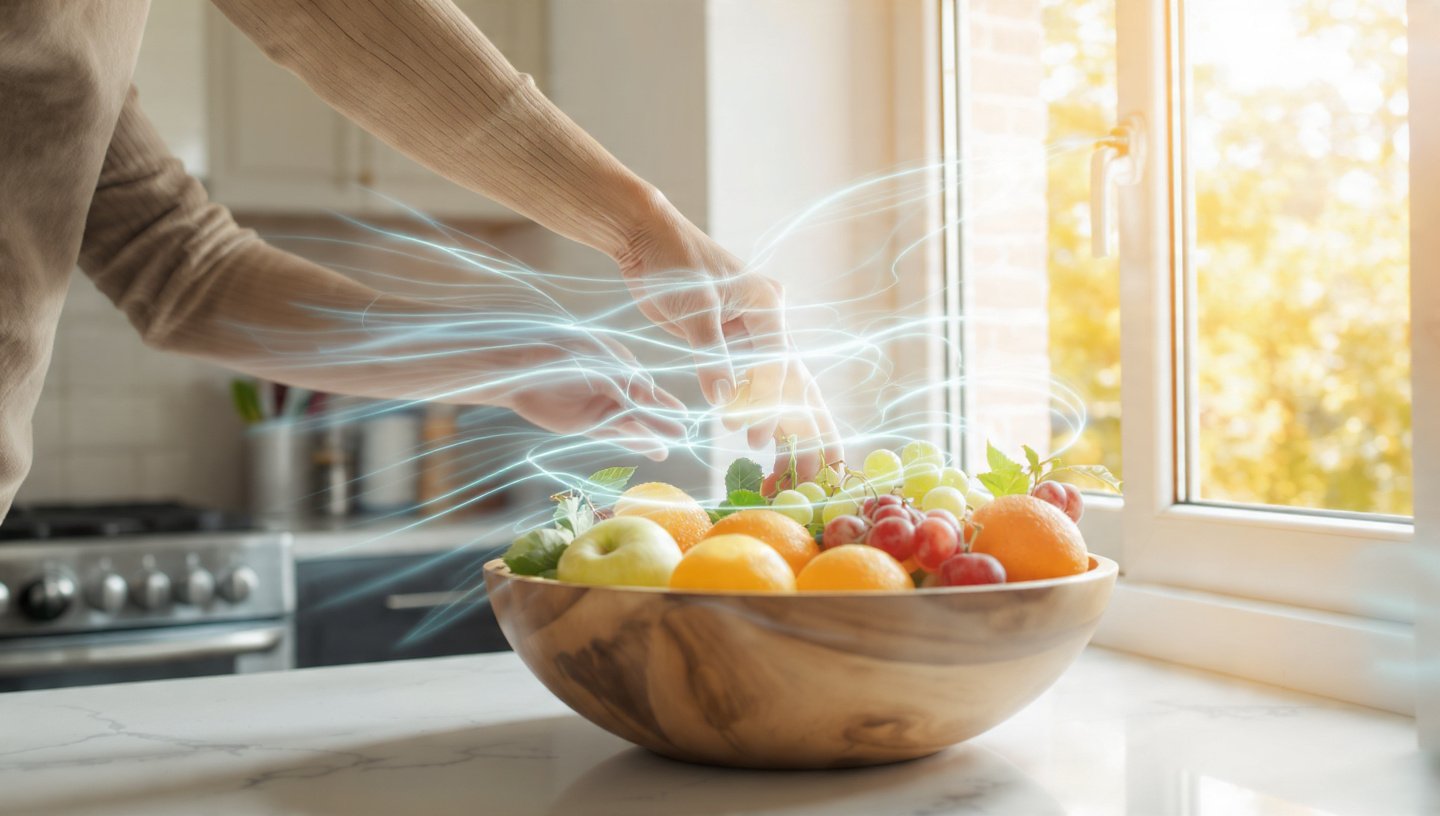
Maintaining the freshness of fruits is a pursuit that many home cooks and health enthusiasts prioritize. The aroma of fresh fruits, the vibrant colors, and the delicious crunch can elevate any meal or snack. However, it can be frustrating when fruits spoil faster than expected. Spoilage often leads to wasted money, disappointments, and the loss of those valuable nutrients that fresh fruits provide. Fortunately, there are simple habits that can help prolong the life of these delectable items. One such habit involves the critical aspect of ventilation.
Understanding Fruit Spoilage
Before delving into ventilation, it’s essential to comprehend why and how fruits spoil. Fruits undergo a process called respiration, where they consume oxygen and release carbon dioxide. During this process, fruits also produce ethylene gas, a naturally occurring hormone that can promote ripening. While ethylene is beneficial at appropriate levels, excessive concentrations can lead to accelerated spoilage.
Factors contributing to spoilage include:
- Humidity: Excess moisture can encourage mold and bacteria.
- Temperature: Warmth can increase respiration rates and promote enzymatic degradation.
- Physical Damage: Bruises or cuts can create entry points for pathogens.
Given these factors, effective ventilation can mitigate spoilage and extend freshness, making it easier to enjoy your favorite fruits for longer.
The Role of Ventilation
Ventilation is the process of moving fresh air to and from an area, allowing for the exchange of gases. In the context of fruit storage, proper ventilation facilitates the removal of carbon dioxide and ethylene gas while introducing fresh air. This, in turn, slows down respiration and decay processes, extending the lifespan of fruits.
How to Implement Ventilation Habits
Creating a good ventilation habit for your fruits doesn’t require extensive changes to your kitchen or storage habits. Here are practical steps you can adopt:
1. Use Breathable Storage Solutions
Opt for storage containers that allow airflow. Instead of using airtight plastic bags, consider the following options:
- Mesh Bags: These are excellent for fruits that need good air circulation. They prevent moisture buildup and allow ethylene gas to escape.
- Wooden or Wire Baskets: These are traditional but effective. They promote airflow from all sides, ensuring that fruits remain dry and fresh.
- Recycled Cardboard Boxes: Keep your fruit in boxes with holes punched in them. This creates a DIY solution that offers excellent ventilation.
2. Avoid Crowding Fruits
When storing fruits, avoid packing them too closely together. Overcrowding limits airflow and traps ethylene gas, hastening spoilage. Instead, arrange fruits with ample space between them. If you have multiple types of fruit, consider storing them separately since different fruits emit varying levels of ethylene.
3. Rotate Your Stock
In grocery stores and markets, the principle of “first in, first out” (FIFO) is crucial for maintaining stock freshness. Apply this method in your own home by placing older fruits at the front and newer items at the back. Make it a habit to check your fruit stock regularly and consume those approaching spoilage first.
4. Store in the Right Locations
Here’s where to keep different types of fruits for optimal ventilation:
- Counter: Many fruits, like bananas, apples, and pears, release a lot of ethylene. Storing these on the counter allows for natural airflow, particularly in a cool, well-ventilated space.
- Refrigerator: Some fruits benefit from refrigeration, particularly berries and grapes. Make sure to place them in containers that allow for encased airflow or in the crisper drawer (which is slightly ventilated) without sealing tightly.
- Avoid Damp Areas: Keep fruits away from humid areas in your kitchen, such as near the sink or stove. Excess moisture can lead to mold growth.
5. Utilize Ethylene Absorbers
For an added layer of freshness, consider investing in ethylene absorbers. These products are designed to capture ethylene gas, thereby reducing the ripening and decay rates of fruits. Some natural options include activated charcoal or baking soda, which can be placed in the storage area to absorb excess moisture and ethylene.
6. Monitor Temperature
Maintaining a consistent temperature is vital for fruit freshness. Ideal storage temperatures for most fruits are between 50°F to 60°F (10°C to 15°C). Keep your home ventilated and avoid storing fruits near heat sources. If you’re storing them in the refrigerator, ensure that the temperature is adequately set to maintain freshness without freezing.
7. Wash Before Storage, Not After
It may be tempting to wash fruits before putting them away, but this can introduce moisture that promotes decay. Instead, rinse them right before consumption. If you do wash your fruits, ensure they are thoroughly dried before storing them.
Specific Fruits and Their Ventilation Needs
Not all fruits are created equal, and their ventilation needs may vary. Here’s a quick guide:
- Apples: Store in a mesh bag or basket on the counter or in the fridge for better airflow.
- Bananas: Best kept in a cool place away from other fruits to prevent them from overripening.
- Berries: Store in their original containers or a well-ventilated basket in the refrigerator.
- Citrus Fruits: These can be stored at room temperature or in the fridge but should always have some airflow.
- Grapes: Keep in their original container or transfer them to a breathable basket.
Common Mistakes to Avoid
While implementing ventilation habits, beware of the following pitfalls:
- Storing in Plastic Bags: This traps moisture and ethylene gas. Instead, use breathable materials as mentioned above.
- Ignoring Overripe Fruits: An overripened fruit can hasten the spoilage of adjacent fruits. Always remove any that show signs of decay immediately.
- Using Tight-Lid Containers: Even when storing in the fridge, ensure containers allow for airflow, especially for semi-perishable fruits.
Benefits of Fresh Fruits in Your Diet
Maintaining the freshness of fruits not only enhances their enjoyment but significantly impacts health:
- Nutrient Retention: Fresh fruits are high in vitamins, minerals, and fiber. Consuming them at their peak ensures you reap these health benefits.
- Flavor: Fresh fruits have a better taste and texture. The crunch of a fresh apple or the juiciness of a recently picked peach can make a significant difference in meals.
- Visual Appeal: Fresh fruits add color and vibrancy to your plates, encouraging healthier eating habits.
Conclusion
Incorporating a simple ventilation habit into your routine can profoundly impact the freshness and longevity of your fruits. Beyond just taste and texture, this practice also contributes to reducing waste and promoting a healthier lifestyle. By utilizing breathable storage options, avoiding overcrowding, and being mindful of temperature, you can extend the life of your fruits and enjoy them longer.
Embrace these habits today, and you’ll find that keeping your fruits fresh is not just a chore but a rewarding part of your culinary experience. Happy snacking!