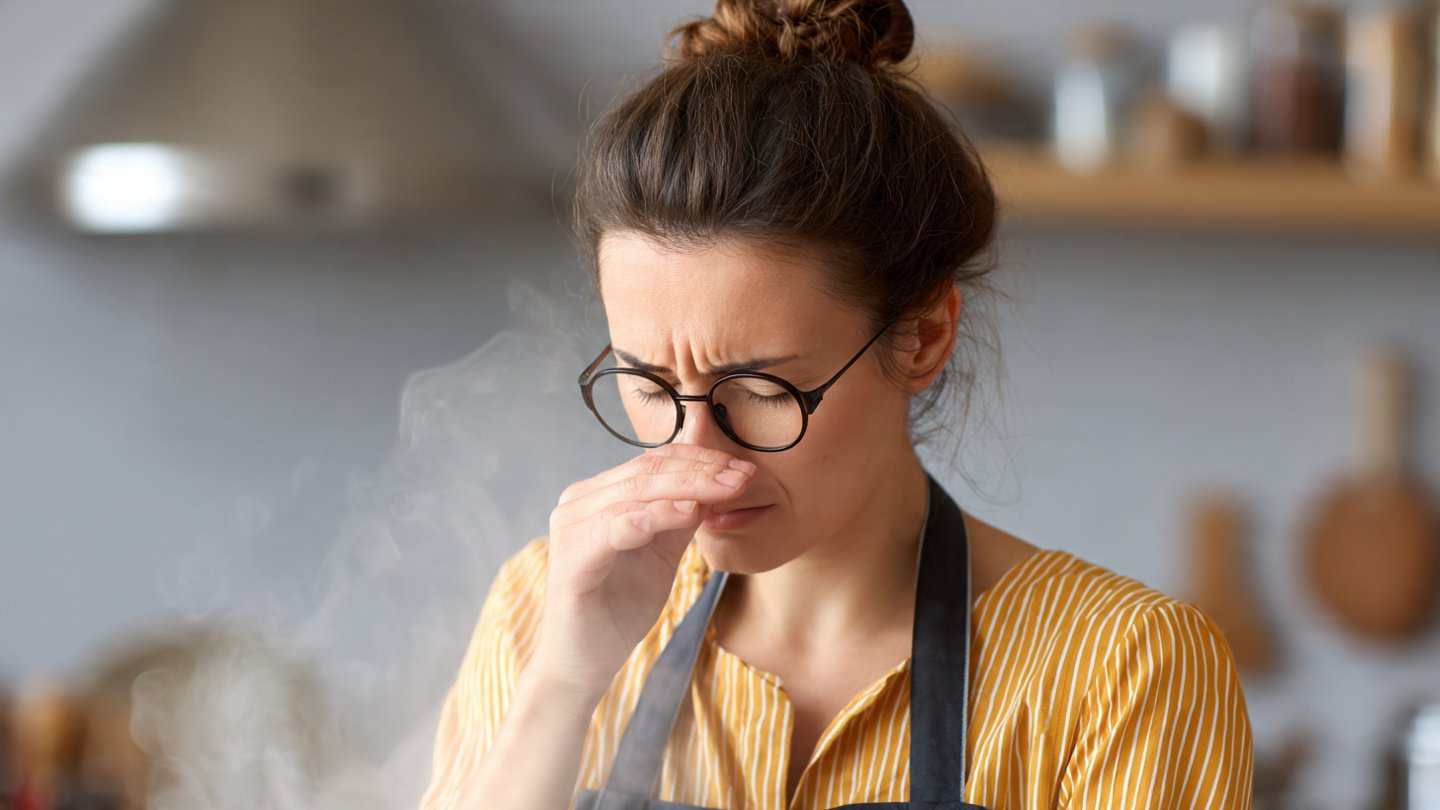
Many of us cherish the delightful aroma that wafts through our kitchens after cooking a delicious meal. Whether it’s the scent of fresh herbs, roasted vegetables, or baked sweets, these smells can evoke feelings of comfort and satisfaction. However, many cooks may notice that these delightful fragrances tend to dissipate quickly, leaving behind an array of odors that are less than pleasant. In this article, we’ll explore the reasons behind this phenomenon, the factors that influence kitchen odors, and tips for maintaining a fresh-smelling kitchen for longer.
The Chemistry of Cooking Aromas
When we cook, a variety of chemical reactions occur that produce aromatic compounds. These compounds are responsible for the appealing scents associated with specific foods. For example:
-
Maillard Reaction: This chemical reaction between amino acids and reducing sugars occurs when food is cooked at high temperatures, creating complex flavors and aromas, particularly in meat and baked goods.
-
Volatile Compounds: Herbs and spices release volatile compounds when they are heated. For instance, the essential oils in basil or garlic release their distinctive scents, enhancing the overall aroma of a dish.
-
Evaporation: As food cooks, moisture is released in the form of steam, carrying aromatic compounds into the air. Once the food is removed from heat, the production of these scents stops, leading to a rapid decrease in smell.
Understanding these processes can serve to enhance our cooking methods, but it also reveals why the delightful scents of cooking can vanish so quickly.
Factors Influencing Odor Longevity
Several factors contribute to how long the fresh smells in your kitchen linger after cooking:
1. Ventilation
Good kitchen ventilation plays a critical role in odor retention. Many home kitchens are equipped with exhaust fans or range hoods designed to eliminate cooking smoke and odors. While these are essential for maintaining air quality, they can also dissipate the pleasant aromas quickly. If you’re frequently running your fan while cooking, that delightful scent may not have the opportunity to settle in your space.
2. Type of Cookware
The type of cookware you use can also influence odors. Non-stick pans, for example, may produce fewer aromatic compounds than cast iron or stainless steel due to their smooth surface, which doesn’t encourage the Maillard reaction as effectively. The materials can also affect heat distribution, leading to variations in odor production.
3. Cooking Method
Different cooking methods yield different aromas. For example, roasting or baking tends to produce richer smells than boiling or steaming. The longer and slower the cooking process, the more complex the flavors and aromas that are developed. When foods are cooked over a short period, they may not release their full scent potential.
4. Ingredients Used
The ingredients themselves play a crucial role in the kitchen’s smell. Fresh herbs, quality spices, and aromatic vegetables (like onions and garlic) can elevate the fragrance of a meal. Conversely, overcooked ingredients can release less pleasant odors. It’s worth noting that some foods, like cruciferous vegetables, have sulfur compounds that can create strong, lingering smells.
The Role of Time
The temporal nature of aromas is an essential aspect to understand. Once a dish is prepared, the scents may linger for a brief period, but they rarely stay fresh indefinitely. The aroma will dissipate due to several factors:
1. Air Currents
Airflow in your kitchen can carry scents away quickly. Open windows, fans, or even movement from occupants can cause the aromatic compounds to disperse faster.
2. Odor Absorption
Surfaces in your kitchen, such as walls, countertops, and even fabrics like tablecloths and curtains, can absorb odors. Thus, after a while, those surfaces may start releasing absorbed odors, overshadowing the fresh scents.
3. Chemical Breakdown
Many aromatic compounds are relatively unstable. Over time, they can degrade or break down chemically. This breakdown alters the smell, often resulting in less appealing scents.
Tips for Maintaining a Fresh-Smelling Kitchen
While it may be difficult to keep your kitchen smelling fresh indefinitely, there are several strategies you can employ to prolong that delightful aroma:
1. Optimize Ventilation
Instead of running exhaust fans continuously, consider using them strategically. Allow the scents to linger for a little while before ventilating the space. Alternatively, open windows to create a healthy airflow that can remove unwanted odors while retaining the pleasant ones.
2. Use Quality Cookware
Invest in high-quality cookware that promotes even cooking and enhances the Maillard reaction. Cast iron pans, stainless-steel cookware, and even certain types of ceramic can boost the aromas of your dishes.
3. Choose Ingredients Wisely
Opt for fresh, high-quality ingredients. Invest in herbs and spices that are known for their pungency and aroma. The fresher the ingredient, the more potent the resulting smell will be.
4. Cook Low and Slow
Where appropriate, consider slow-cooking methods. Braising, slow-roasting, or simmering can develop more complex flavors and aromas, allowing them to linger in your kitchen longer.
5. Clean Immediately After Cooking
Cleaning up spills and food remnants can help mitigate unwanted odors. Leftover food can ferment or spoil, emitting smells that overpower the more pleasant aromas. Wiping down surfaces immediately after cooking can help prevent this.
6. Use Natural Deodorizers
To help keep your kitchen smelling fresh, consider using natural deodorizers such as baking soda, vinegar, or activated charcoal. These substances can absorb odors rather than just masking them.
7. Simmer Spices and Citrus
Post-cooking, you can prolong fresh smells by simmering a pot of water with spices, herbs, or citrus peels. Cinnamon sticks, lemon slices, and vanilla beans can create a lovely aroma that fills your kitchen after messy cooking has ceased.
8. Regular Maintenance
Regularly clean your kitchen, particularly areas that can trap odors, like the trash can, refrigerator, and sink. Ensure your garbage disposal is clean and free of odors, and consider putting lemon peels down the disposal to eliminate smells.
Conclusion
The fleeting fragrances that grace our kitchens after cooking can be a delightful experience. However, various factors contribute to their short-lived nature, including ventilation, cookware, cooking methods, and the inherent qualities of the ingredients. Understanding how these elements interact can help us appreciate the beautiful aromas of our cooking, as well as empower us to take steps to prolong them. By implementing some of the strategies outlined above, you can create a cooking environment that not only produces delicious meals but also envelops you in inviting scents long after the cooking has ended. A little effort can transform your kitchen from a space of undesirable odors to a fragrant sanctuary, celebrating the joys of cooking and sharing meals with loved ones.