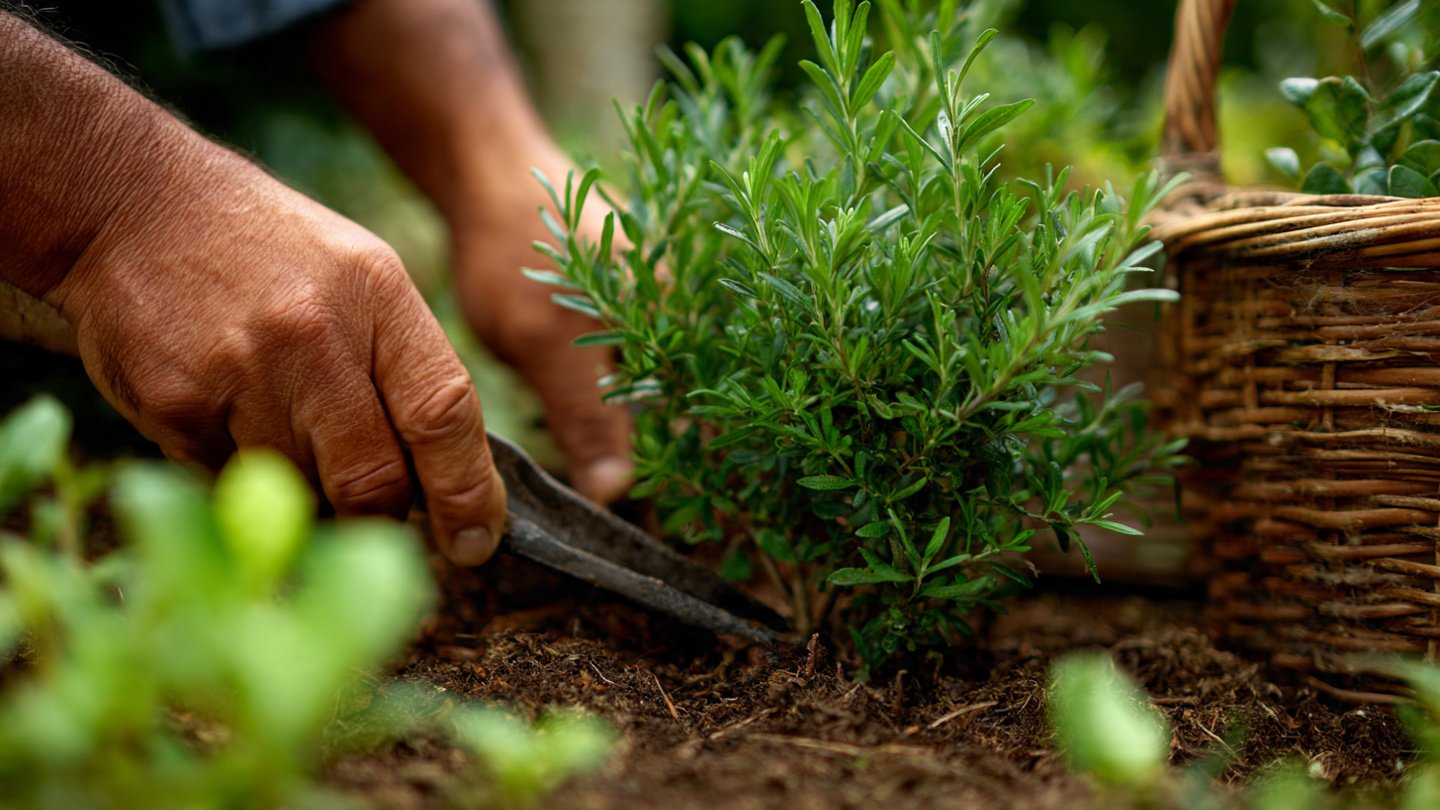
Gardening, particularly kitchen gardening, is both a pleasurable and practical hobby. It provides a bounty of fresh produce right from your backyard, enhancing both your meals and your well-being. However, many gardeners, particularly beginners, often overlook a simple yet powerful tool for maximizing their yield: pruning. This article explores the benefits of regular pruning in your kitchen garden, practical tips for effective pruning, and how this straightforward habit can significantly boost your garden’s productivity.
The Importance of Pruning in Kitchen Gardens
Pruning, often associated with trees and shrubs, is also vital for herbs, vegetables, and small fruiting plants. It involves the strategic removal of selected parts of the plant, including leaves, stems, and flowers. While it may seem counterintuitive to remove parts of a plant for it to thrive, pruning offers numerous benefits, which include:
1. Improved Air Circulation
Dense foliage can impede airflow, leading to higher humidity levels and an increased risk of fungal infections. By pruning, you create space for air to circulate freely, which dries the leaves and reduces the chances of disease. Healthy plants are better equipped to yield plentiful harvests.
2. Enhanced Sunlight Penetration
Plants need sunlight for photosynthesis. Dense or poorly pruned plants can block light from reaching lower leaves. Pruning encourages better light distribution, allowing every part of the plant to receive the solar energy needed for robust growth.
3. Encouragement of New Growth
Pruning stimulates new growth. When you cut back certain parts of a plant, it sends signals for growth hormones to activate, leading to increased production of flowers and fruit. This is particularly important for fruit-bearing plants like tomatoes and peppers, where the health of the plant directly correlates with the quantity and quality of the fruits produced.
4. Control of Shape and Size
Strategic pruning helps in shaping plants for optimal growth conditions. By controlling the size and shape, you can maximize space in your garden, allowing for denser planting and consequently higher yields. This is particularly useful in small kitchen gardens where space is at a premium.
5. Removal of Diseased or Damaged Parts
Regularly inspecting for and removing sickly or damaged parts of plants is essential. Not only does it improve the overall health of your kitchen garden, but it also prevents diseases from spreading to other plants, ensuring that your harvest remains abundant.
6. Increased Fruit and Vegetable Production
Pruning specific plants can lead to greater yields. For example, removing sucker shoots from tomato plants directs more energy into fruit production rather than leaf growth. Similarly, deadheading flowering plants can promote extended blooming periods, leading to additional produce.
When and How to Prune Your Kitchen Garden Plants
Pruning doesn’t have to be a daunting or complicated task. By establishing a routine and knowing when and how to prune, you can make it an effortless part of your gardening practice.
1. Assess the Right Time
Timing is everything in gardening. The best time to prune depends largely on the type of plant:
-
Vegetables: For most annual vegetables like tomatoes, peppers, and basil, pruning can be done throughout the growing season. Regularly remove any yellowing leaves or spent flowers to encourage further growth.
-
Herbs: For herbs, like rosemary and thyme, pruning can be effectively done at any point during the growing season, ensuring continuous growth and flavor.
-
Perennials: Many perennial plants, including fruit-bearing bushes, are best pruned in late winter or early spring before new growth begins.
2. Use the Right Tools
Having the right tools will ensure effective and clean cuts, minimizing stress on the plants:
- Pruning Shears: For small branches and stems.
- Loppers: For medium-sized branches that require more force.
- Saws: For larger branches on established plants.
Always ensure your tools are sharp and clean before use to prevent transmitting diseases between plants.
3. Basic Pruning Techniques
Here are some fundamental techniques you can apply:
-
Thinning: Remove entire branches or stems from the base to reduce clutter and promote better air circulation.
-
Topping: Cut back the main stem to encourage bushier growth.
-
Deadheading: Regularly cut off spent flowers to promote further blooming and prevent plants from expending energy on seed production.
-
Cutting back: For perennial herbs like mint, cutting plants back to the ground in early spring can promote vigorous new growth.
4. Avoid Over-Pruning
While pruning is beneficial, overdoing it can stress plants. A good rule of thumb is to remove no more than 20% of a plant at any one time. Always evaluate the plant’s health and growth patterns before making drastic cuts.
Practical Tips for Effortless Pruning
To make pruning a seamless part of your gardening routine, consider the following tips:
1. Establish a Pruning Schedule
Create a regular pruning schedule, perhaps weekly or bi-weekly during the growing season, to keep your plants healthy and productive. Treat it as an essential part of your gardening practice just like watering or weeding.
2. Inspect Regularly
While on your regular gardening rounds, take a few moments each time to inspect your plants closely. This allows you to identify any leaves or stems that need a trim. Early detection leads to easier and more effective pruning.
3. Keep a Garden Journal
Documenting what you prune and when can help inform your gardening practices in future seasons. Observe which methods yield the best results and adjust accordingly. This not only helps you learn but also enhances your gardening skills.
4. Join Communities or Local Workshops
Many local gardening clubs or community gardens offer workshops on pruning. Engaging with other gardeners can provide valuable insights, tips, and techniques, making the process feel more accessible and less daunting.
5. Start Small
If you are intimidated by pruning, start small. Begin by focusing on one plant or section of your garden and gradually move on as you become more comfortable. Over time, this simple habit can transform your entire kitchen garden.
Conclusion
Pruning might seem like just another chore on your gardening to-do list, but its benefits are vast and far-reaching. By adopting a simple pruning habit, you can effortlessly increase your kitchen garden yields and enjoy a more abundant harvest with minimal effort. With improved air circulation, enhanced sunlight penetration, and the ability to shape your plants, the rewards are well worth the time and care you put into this vital gardening practice.
As you cultivate your garden, let pruning become a routine you look forward to rather than a daunting task. With the right techniques and a consistent approach, your kitchen garden will thrive, yielding fresh produce that supports your culinary endeavors and nourishes your family. Happy gardening!