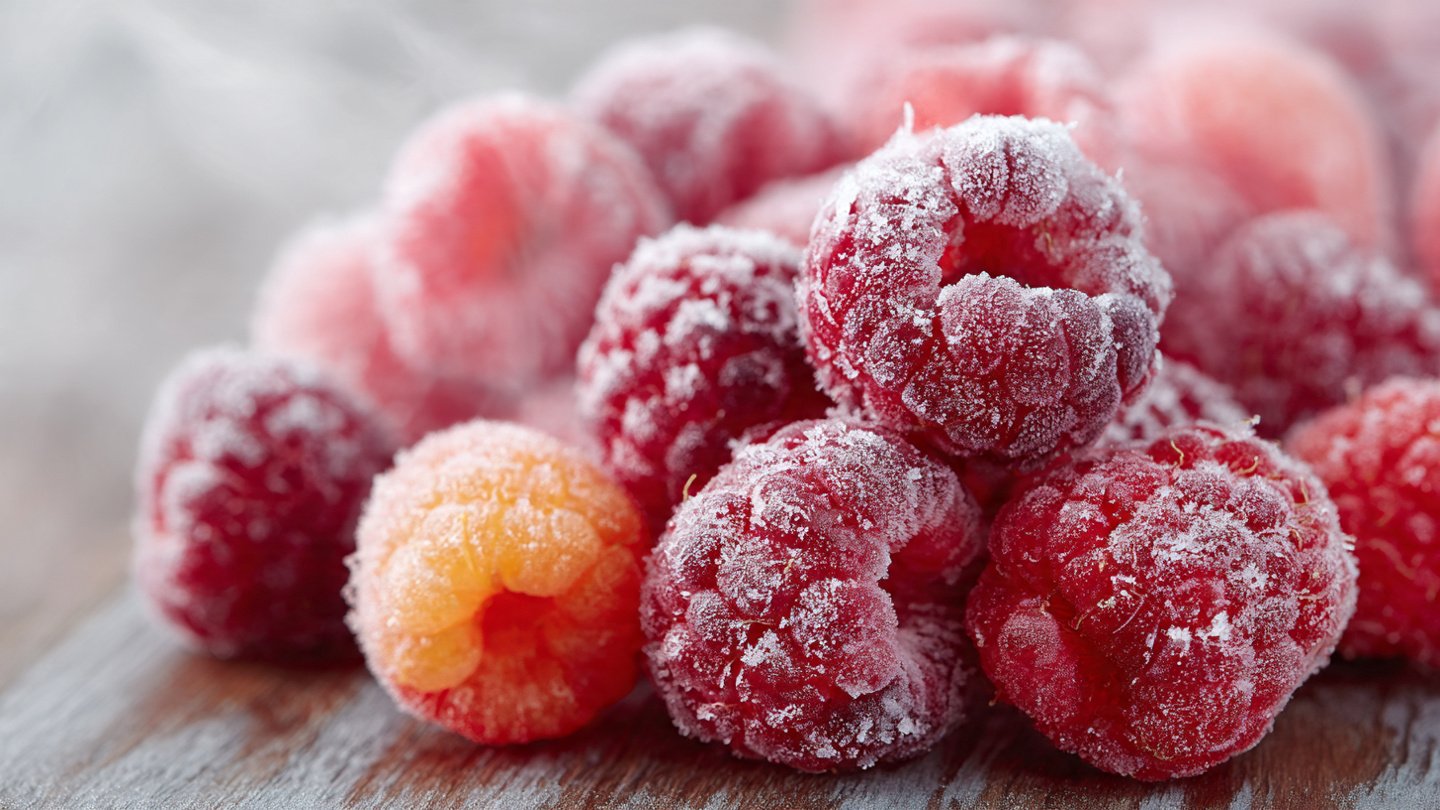
Freezing is a widely used method for preserving fruits, extending their shelf life while maintaining nutritional value and flavor. However, the process of freezing can have significant effects on the sweetness of fruits. Understanding how freezing impacts fruit sweetness is essential for consumers, food manufacturers, and anyone interested in maximizing the flavor and quality of their fruits. In this article, we’ll explore the science behind freezing, the biochemical changes that fruits undergo during the freezing process, and the implications for sweetness and overall fruit quality.
The Freezing Process
To understand the effects of freezing on fruit sweetness, it’s important to first grasp how the freezing process works. Freezing slows down the enzymatic activities and microbial growth that lead to spoilage. When fruits are exposed to temperatures below their freezing point, the water inside the fruit begins to form ice crystals. As temperatures drop, the fruit undergoes several changes, including:
-
Cellular Structure Disruption:
As ice crystals form, they can puncture fruit cells, causing cellular disruption. This can alter the texture of the fruit, making it softer upon thawing. -
Water Activity Reduction:
Freezing reduces the availability of free water in the fruit. Water activity plays a crucial role in the perception of sweetness, as dissolved sugars must be in liquid form for our taste buds to detect them. -
Enzymatic Changes:
Certain enzymes that are responsible for sugar metabolism may be rendered inactive during freezing. This can affect the levels of sugars in the fruit, impacting sweetness. -
Flavor Compounds:
Freezing can also influence the concentration of flavor compounds, which are essential for sweetness perception.
The Biochemistry of Sweetness
Fruit sweetness primarily comes from sugars, including glucose, fructose, and sucrose. The perception of sweetness is influenced not just by the concentration of these sugars, but also by their balance and the presence of other compounds, such as organic acids and aromatic molecules.
When fruits are frozen, several biochemical processes may occur:
-
Sugar Concentration:
As fruits freeze, the water content becomes less available, which can lead to a concentration of sugars. In some scenarios, this can enhance natural sweetness, while in others, it can result in a less sweet flavor profile. -
Changes in Organic Acids:
Freezing can cause changes in the organic acid composition of fruit. The balance between sugars and acids is critical for flavor. An increase in acidity, for instance, can diminish the perception of sweetness. -
Flavor Volatiles:
Many flavor compounds responsible for sweetness are volatile and can be lost during the freezing process. This can lead to a reduction in the overall perception of sweetness when the fruit is thawed.
Impact on Different Types of Fruits
The effects of freezing on sweetness can vary significantly depending on the type of fruit. Let’s delve into how different categories of fruits are affected.
Berries
Berries such as strawberries, raspberries, and blueberries are often frozen to preserve their vibrant flavors and bright colors. The freezing process can cause the cellular structure to break down, leading to a softer texture. Frozen berries may taste sweeter when thawed because the concentration of sugars increases as water is released.
However, the release of some volatile compounds during freezing may alter their flavor profile. For example, strawberries can taste less aromatic when thawed, which may impact sweetness perception.
Stone Fruits
Stone fruits like peaches, cherries, and plums are also commonly frozen. These fruits typically have a juicy texture and are rich in sugars. Freezing can enhance the sweetness of stone fruits if they are frozen at their peak ripeness. However, if frozen too late, the sugars may degrade due to enzymatic activity that can still occur at lower temperatures, leading to a less sweet product.
Apples and Pears
Apples and pears tend to maintain their sweetness better during freezing. However, they require specific processing to prevent browning and maintain their flavor. If not blanched properly before freezing, these fruits can undergo enzymatic browning, reducing their perceived sweetness.
Citrus Fruits
Citrus fruits like oranges and lemons can experience a decrease in sweetness after freezing. The citric acid levels can remain stable, while the sugars may not concentrate as effectively due to the higher water content in these fruits. This balance can lead to a tangier flavor that masks potential sweetness.
Bananas
Frozen bananas are often used in smoothies or desserts. The freezing process softens their texture significantly, which can enhance sweetness perception in certain recipes. However, if they are frozen and then thawed poorly, they may develop off-flavors that affect the sweet taste.
Quality Retention During Freezing
The quality and sweetness of frozen fruits can also depend on how they are processed before freezing. Here are some methods to maximize fruit sweetness during freezing:
-
Pre-Freezing Preparation:
Washing, washing, and slicing fruits prior to freezing can help maintain sweetness and quality. Blanching certain fruits, like peaches, can inactivate enzymes that would otherwise break down sugars and affect flavor. -
Rapid Freezing:
Rapid freezing minimizes the size of ice crystals formed within the fruit, thereby maintaining cellular structure and preventing large-scale damage that can alter texture and taste. -
Packaging:
Vacuum-sealing fruits before freezing can help reduce oxidation and loss of volatile compounds, preserving both sweetness and flavor. -
Storage Duration:
While freezing significantly slows spoilage, over time, the quality of frozen fruits can diminish. Optimal storage duration varies by fruit type but is generally around 6 to 12 months to maintain sweetness and texture.
Thawing Techniques
How fruits are thawed can also influence their perceived sweetness. Thawing at room temperature can lead to loss of flavors due to evaporation. Gentle thawing in the refrigerator allows for a more controlled release of moisture and retention of volatile flavor compounds. Additionally, using frozen fruits in smoothies or cooked dishes can mask any changes in sweetness, allowing consumers to enjoy their natural sweetness without loss.
Conclusion
Freezing can significantly impact the sweetness of fruits through various biochemical and physical changes. The process leads to cellular disruption, changes in water activity, and potential loss of flavor volatiles. The effects can vary greatly between different types of fruits. While some may experience a boost in sweetness post-freezing, others might become less sweet or change in flavor profile altogether.
By understanding how to properly freeze, store, and thaw fruits, consumers can maximize the sweetness and overall enjoyment of their frozen fruits. Whether utilized in cooking, baking, or simply enjoying as a snack, knowing the intricacies of how freezing affects sweetness can enhance the culinary experience and promote a greater appreciation for the natural flavors of fruits.