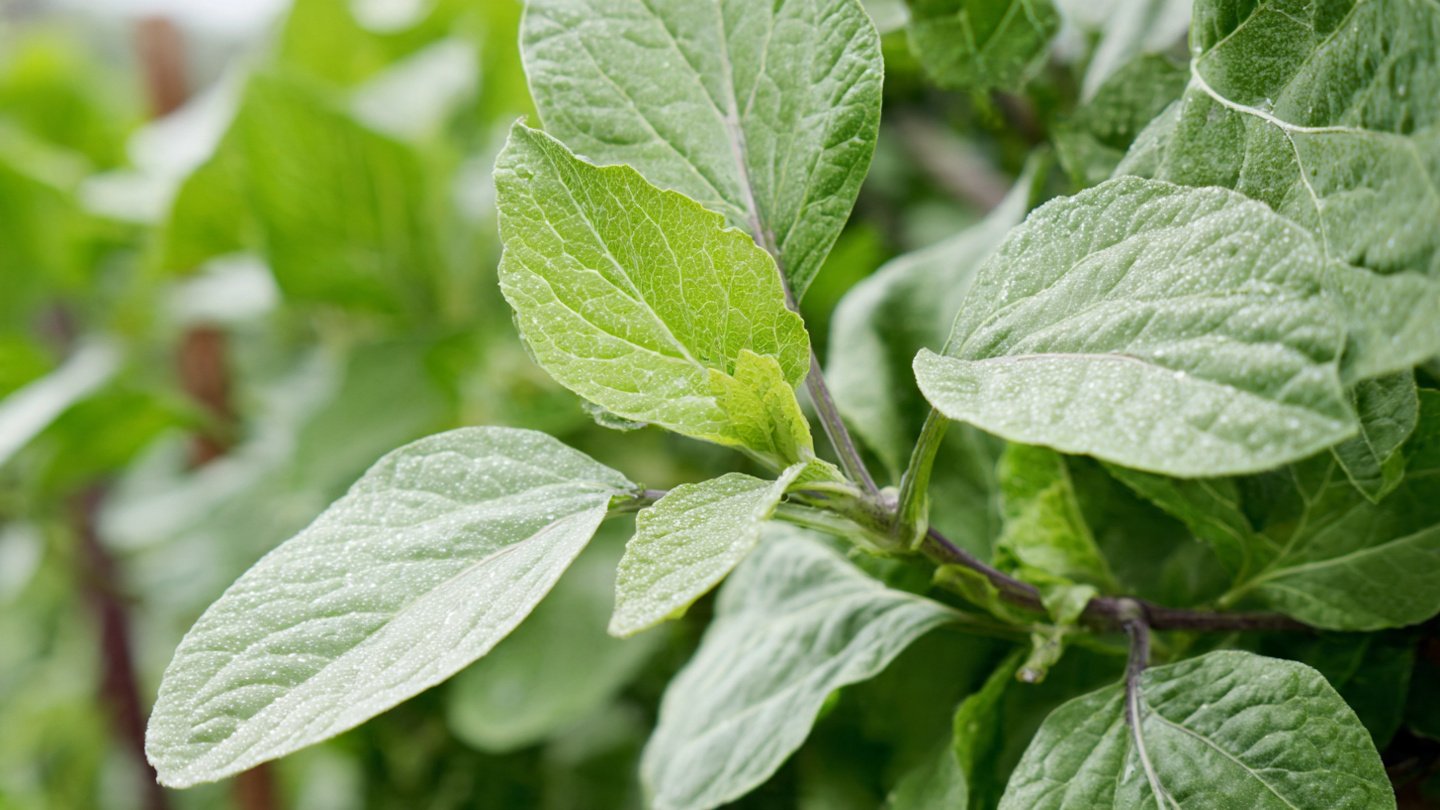
In the realm of gardening, particularly in the nurturing embrace of kitchen gardens, the vibrant greens of flourishing plants often symbolize health and vitality. However, the sudden appearance of pale green leaves among the lush greenery can trigger concern among gardeners. This article delves into the myriad causes of pale green leaves in kitchen gardens, exploring the underlying reasons, preventive measures, and solutions to restore the vibrancy of your garden.
The Importance of Leaf Color
Leaf color plays a crucial role in plant health, acting as a visual indicator of nutrient availability, light absorption, and overall vitality. Green leaves contain chlorophyll, the pigment responsible for photosynthesis, the process by which plants convert light energy into chemical energy. Therefore, a shift from a deep green to a pale hue often raises alarms, suggesting that something is amiss.
Causes of Pale Green Leaves
1. Nutritional Deficiencies
One of the most common reasons behind pale green leaves is nutrient deficiency, particularly nitrogen, iron, and magnesium. These nutrients are vital for several physiological processes in plants:
-
Nitrogen Deficiency: Nitrogen is essential for chlorophyll production. Without adequate nitrogen, plants can’t synthesize enough chlorophyll, leading to pale green leaves, particularly in older leaves.
-
Iron Deficiency: Iron is crucial for chlorophyll formation as well, and its deficiency usually manifests as pale leaves with green veins (a condition known as interveinal chlorosis), affecting younger leaves primarily.
-
Magnesium Deficiency: Magnesium is a component of chlorophyll, and its deficiency can result in chlorosis, often starting at the leaf edges and affecting older foliage first.
2. pH Imbalance
Soil pH significantly impacts nutrient availability. Most nutrients are optimally available to plants in slightly acidic to neutral pH (between 6.0 and 7.0). When the soil pH shifts too high (alkaline) or too low (acidic), it can lock out essential nutrients, resulting in pale leaves.
Testing Soil pH
To diagnose pH issues, a simple soil test kit can be employed. If the pH is found to be unsuitable, amendments such as sulfur can be used to lower pH, while lime can raise it.
3. Water Stress
Both overwatering and underwatering can lead to pale leaves, though the mechanisms differ:
-
Overwatering: Excessive watering can lead to root rot, restricting the roots’ ability to absorb nutrients and water. The result can lead to signs of nutrient deficiencies, including pale leaves.
-
Underwatering: Conversely, a lack of moisture can prevent proper nutrient transportation within the plant, inducing stress and manifesting as pale foliage.
Balancing Water Needs
Monitoring soil moisture levels and ensuring proper drainage is crucial. The “finger test”—inserting a finger into the soil up to the second knuckle can be a practical daily assessment to determine if the plants need watering.
4. Lack of Sunlight
Light is the lifeblood of photosynthesis. A lack of adequate sunlight can stifle a plant’s ability to produce sufficient chlorophyll, causing pale green leaves. Each plant species has its requirements, with some thriving in full sun and others preferring partial shade.
Maximizing Light Exposure
Assess your garden layout, ensuring that plants receive adequate sunlight according to their specific needs. Trimming surrounding plants or relocating less light-tolerant varieties can help optimize exposure.
5. Pest Infestations
Certain pests can affect leaf pigmentation by damaging plant tissues or feeding on sap. Notorious offenders include aphids and spider mites, which can lead to stress, nutrient imbalances, and ultimately pale leaves.
Identifying and Managing Pests
Regular inspection of plants for signs of pests—sticky residue, webbing, or visible insects—is critical. Introduce natural predators like ladybugs or use neem oil to manage infestations, ensuring the health of the plants.
6. Diseases and Fungal Infections
Various diseases, from root rot to viral infections, can hinder nutrient absorption, reflecting in pale leaves. Fungal infections may lead to root damage or block nutrient pathways, depriving the plant of what it needs to thrive.
Prevention and Control
Implementing proper planting techniques, ensuring good air circulation, and maintaining hygiene in the garden can prevent many diseases. If fungal infections are suspected, fungicides or organic solutions like baking soda mixed with water may be effective.
7. Transplant Shock
Transplanting can cause temporary stress in plants, leading to disturbed root systems that struggle to uptake nutrients. Often, the leaves may turn pale as the plant adjusts to a new environment.
Easing Transplant Shock
To minimize transplant shock, select the right time for planting (preferably in early morning or late afternoon), ensure sufficient watering, and consider hardening off plants before moving them outside.
8. Poor Soil Quality
The quality of the soil directly impacts plant health. Poor soil that lacks organic matter or has been depleted of nutrients will struggle to support vigorous growth, resulting in pale leaves.
Improving Soil Quality
Incorporating organic matter such as compost or well-rotted manure can enhance soil structure and nutrient content. Regularly rotating crops and utilizing cover crops can also help maintain soil health.
Remedial Measures
1. Nutrient Supplementation
If nutrient deficiencies are suspected, applying organic or synthetic fertilizers can be beneficial. Slow-release fertilizers help provide a steady supply of nutrients while avoiding the risk of over-fertilization.
2. Soil Amendments
When pH imbalances are identified, soil amendments like lime or sulfur can be integrated into the soil. Regular testing can help in monitoring the changes.
3. Optimal Watering Practices
Adopting a consistent watering schedule, allowing the soil to dry slightly between watering, and ensuring proper drainage can significantly improve leaf color and overall plant health.
4. Integrated Pest Management
Implementing an Integrated Pest Management (IPM) approach can help control pests more effectively and sustainably, focusing on prevention and utilizing natural remedies before resorting to chemical treatments.
5. Regular Monitoring
Keeping a close watch on plants for early signs of distress can facilitate timely interventions. Weekly checks can prevent issues from escalating and allow for immediate action.
Conclusion
Pale green leaves in kitchen gardens can signify various underlying issues, from nutrient deficiencies to environmental stressors. Understanding these causes is key to implementing effective solutions that restore vitality to your plants. By developing a comprehensive approach that includes soil testing, regular monitoring, and appropriate interventions, you can cultivate a thriving kitchen garden filled with rich green foliage and robust growth. With attention and care, your kitchen garden can flourish, providing not just nourishment, but also a sense of accomplishment and joy.