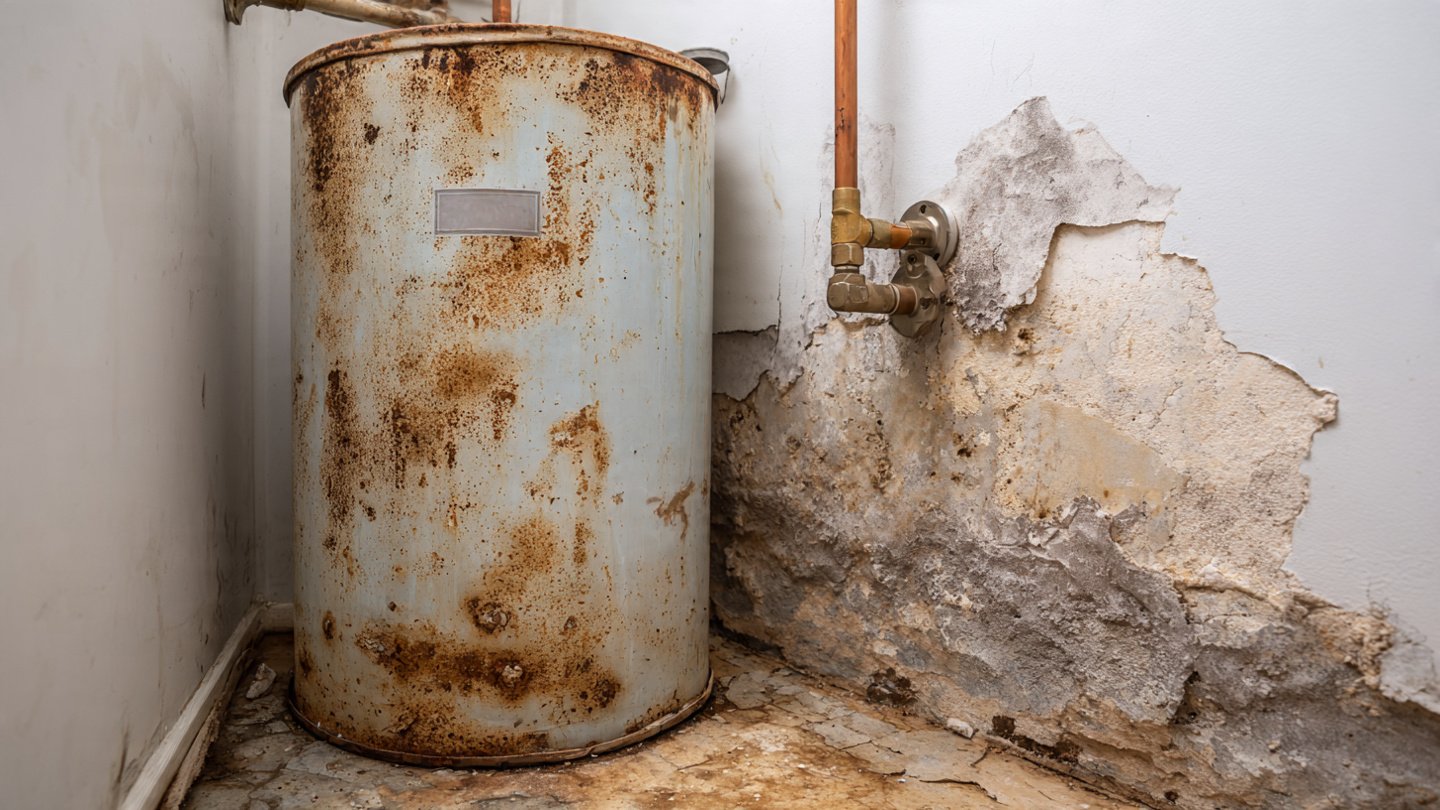
Water heaters are essential appliances in our homes, providing hot water for showers, dishwashing, laundry, and more. However, a malfunctioning water heater can cause significant disruption, including leaks, which can lead to water damage, mold growth, and increased utility bills. Understanding the unseen causes behind water heater leaks is vital for homeowners to take preventive measures and avoid costly repairs. This comprehensive article explores the primary causes of water heater leaks, signs to look for, and practical solutions.
1. Understanding the Basics of Water Heaters
Water heaters come primarily in two types: tank and tankless systems. Tank systems store hot water in a reservoir, while tankless heaters provide hot water on demand. Regardless of the type, both systems can experience leaks due to various factors, including wear and tear over time, improper installation, and manufacturing defects.
1.1. Common Components of Water Heaters
Before diving into the causes of leaks, it’s important to understand the main components of a water heater:
- Tank: Holds the hot water.
- Heating Element: Heats the water inside the tank.
- Temperature and Pressure Relief Valve (T&P valve): Releases excess pressure to prevent tank rupture.
- Anode Rod: Prevents rusting and corrosion inside the tank.
- Inlet and Outlet Pipes: Allow for water entry and exit.
Understanding these components helps homeowners identify potential leak sources more effectively.
2. Common Causes of Water Heater Leaks
2.1. Corrosion and Rust
One of the most common causes of leaks in traditional tank water heaters is corrosion. Over time, the interior of the tank can develop rust, especially if the anode rod, which is meant to protect the tank, is depleted. When the tank rusts, it can create small holes that lead to leaks.
- Prevention: Regularly check and replace the anode rod every few years to prevent rust. If your water is particularly corrosive, consider a water softener.
2.2. Faulty Temperature and Pressure Relief Valve
The T&P valve is crucial for a safe water heating system. If this valve fails due to malfunction or excessive pressure, it can lead to leaks. Signs of a faulty T&P valve include a dripping valve or water pooling around the base of the heater.
- Prevention: Test the T&P valve at least once a year by lifting the lever to allow a small amount of water to escape. Ensure it closes properly afterward.
2.3. Loose Connections and Fittings
Water heaters have various inlet and outlet connections that can become loose over time, especially during regular use. Vibration from heating cycles can lead to loose fittings, resulting in leaks.
- Prevention: Periodically inspect connections for tightness. Use plumbing tape on threaded connections to prevent leaks.
2.4. Thin or Deteriorating Tank Walls
Manufacturers design water heater tanks with a specified lifespan; however, over time, the metal can thin or deteriorate due to temperature fluctuations or poor water quality. A weak tank may eventually develop leaks.
- Prevention: Regular maintenance can help detect signs of weakening, allowing for timely replacements before leaks occur.
2.5. High Water Pressure
Excessive pressure in the plumbing system can pressurize the water heater and lead to leaks. High pressure can be caused by issues outside the heater itself—such as issues with the municipal water supply or other plumbing fixtures.
- Prevention: Use a pressure regulator if your home has high water pressure. The ideal water pressure for residential systems is between 40-60 psi.
2.6. Sediment Buildup
Over time, sediment can build up in the tank, especially in areas with hard water. This buildup can cause overheating and damage to the tank, leading to leaks.
- Prevention: Flush the tank at least once a year to remove sediment. This can improve efficiency and extend the life of the water heater.
2.7. Age of the Water Heater
Most traditional water heaters last about 10-15 years. As they age, components deteriorate, leading to leaks. If your water heater is nearing or beyond its lifespan, it may be time for a replacement.
- Prevention: Be proactive by monitoring the age of your water heater and budgeting for a replacement before leaks become an issue.
2.8. Poor Installation
Improper installation is another common cause of leaks. If not installed according to manufacturer specifications, water heaters can experience various issues, including leaks.
- Prevention: Always hire a qualified plumber for installation. Ensure they follow proper guidelines and secure connections.
3. Signs of Water Heater Leaks
Being vigilant for signs of a leak can save homeowners from prolonged headaches and potential damage. Common signs include:
- Puddles: Water pooling around the base of the heater.
- Dampness: Moist areas or mold near the water heater.
- Corrosion: Signs of rust on the tank or fittings.
- Increased Water Bills: Unexpected spikes in water usage.
4. What to Do If You Have a Leak
If you suspect a leak or notice any warning signs, it’s essential to act quickly:
4.1. Turn off the Power and Water Supply
For electric water heaters, turn off the power at the circuit breaker. For gas heaters, turn off the gas supply. Shut off the water supply to the heater to minimize further damage.
4.2. Assess the Situation
Examine the water heater for obvious signs of leaks and identify the source if possible. Look for loose fittings, rust, or signs of corrosion.
4.3. Call a Professional
If you’re unsure about the cause or how to fix it, calling a licensed plumber is advisable. They have the experience and tools necessary to identify and repair leaks effectively.
5. Preventive Measures
Preventive maintenance can save you time, money, and stress. Here are several useful tips that can help maintain your water heater:
5.1. Regular Inspections
Schedule regular inspections of your water heater with a qualified plumber. They can identify potential issues before they become problematic.
5.2. Routine Maintenance
Perform regular maintenance by flushing the tank annually and checking the anode rod. This will help prolong the life of your water heater.
5.3. Monitor Water Quality
Invest in a water quality test kit to ensure your water isn’t overly corrosive. This can prevent rust and sediment buildup inside the tank.
5.4. Install a Drain Pan
A drain pan installed beneath your water heater can help catch leaks. Ensure it has a drainage line to direct water outside, minimizing damage if a leak occurs.
Conclusion
Water heater leaks can be a major inconvenience and can cause significant damage to your home if left unchecked. By understanding the unseen causes of leaks, recognizing early signs, and taking preventive measures, homeowners can maintain their water heaters effectively and prolong their lifespan. Regular maintenance, professional inspections, and being proactive about repairs can lead to a hassle-free experience with this essential appliance. Whether you’re handling minor issues or major repairs, keeping informed and acting quickly can save you money and help you maintain the comfort and safety of your home.