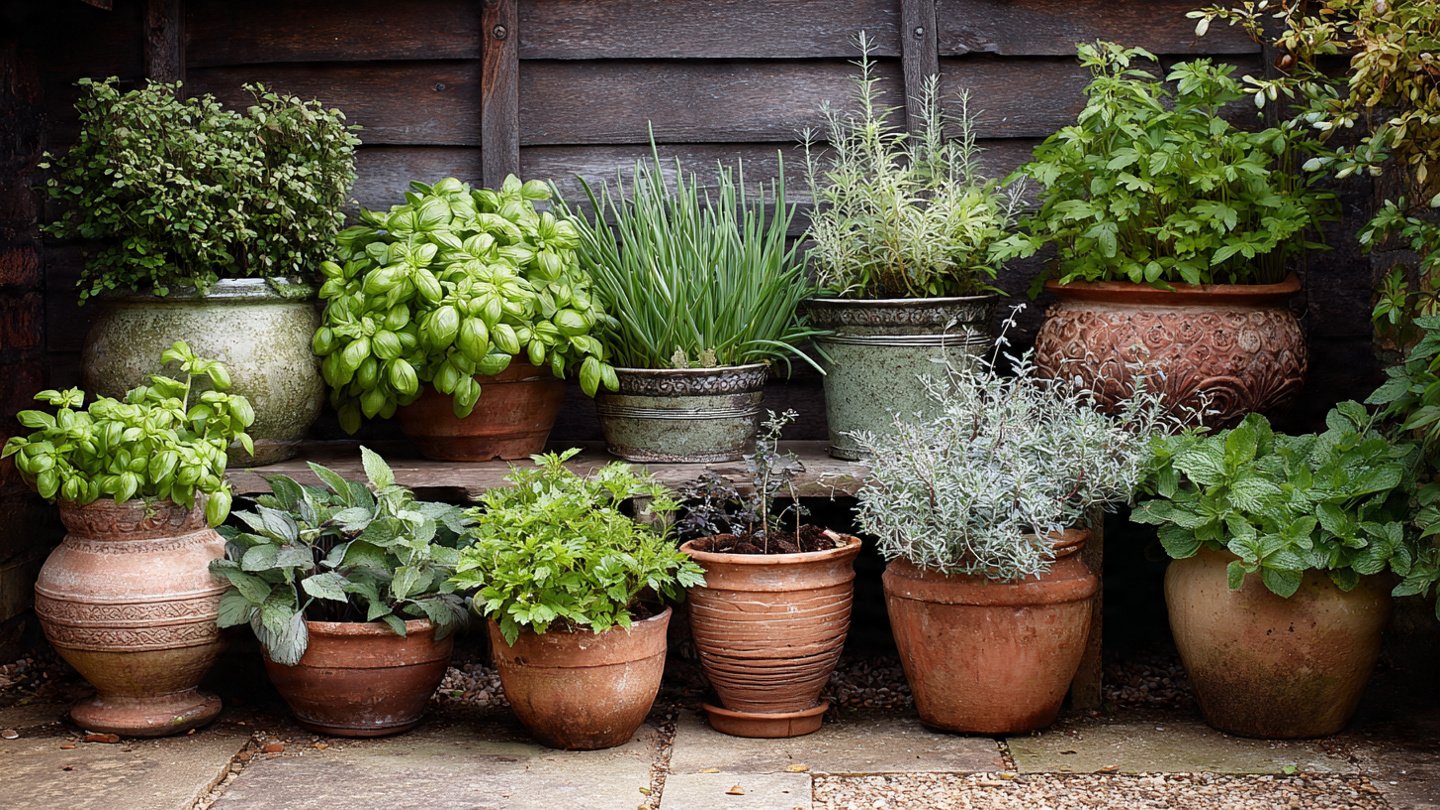
Creating a kitchen garden is a rewarding venture, allowing you to grow fresh herbs, vegetables, and fruits right at your doorstep. However, container gardening often presents unique challenges that can affect plant health and productivity. Understanding why kitchen garden plants struggle in pots can help you create a thriving and sustainable space, even if you’re limited to containers.
The Basics of Container Gardening
Container gardening is the practice of growing plants in pots or other containers instead of traditional garden beds. This method is particularly useful for urban dwellers, those with limited space, or individuals who want to control their growing environment. However, the limited volume of soil in pots can greatly impact the health of the plants.
Benefits of Container Gardening
-
Space Efficiency: Containers can fit in small spaces like balconies, patios, or even windowsills.
-
Soil Control: With pots, you can tailor the soil composition to suit specific plants.
-
Mobility: Potted plants can be moved to optimize sunlight exposure or shelter them from adverse weather conditions.
-
Reduced Soil-borne Pests: Growing in pots can minimize exposure to pests and diseases present in the ground.
Despite these advantages, container gardening can be fraught with challenges that can lead to plant stress and poor yields.
Common Challenges in Container Gardening
1. Limited Root Space
One of the primary reasons potted plants struggle is the restricted root space. Unlike plants in the ground, which can extend their roots into the earth, plants in pots have to contend with the confines of their container. This limitation can lead to several issues:
-
Root Binding: When a plant becomes root-bound, its roots start circling around the pot instead of spreading out. This can lead to stunted growth and poor nutrient absorption.
-
Poor Water Retention: A restricted root system can make it challenging for the plant to absorb enough water since the roots can’t efficiently reach the moisture held in the soil.
To combat this, it’s essential to choose pots that are large enough for the plants you intend to grow and to occasionally repot them to provide additional room for growth.
2. Soil Quality and Composition
The quality of soil in containers is crucial for healthy plant growth. Unlike in-ground gardens, where natural soil amendments occur over time, potting soil can become depleted of nutrients. Furthermore, the composition of the soil can impact drainage and water retention:
-
Drainage Issues: If the potting mix retains too much water, it can lead to root rot. Conversely, a mix that drains too quickly might not retain sufficient moisture for the roots.
-
Nutrient Deficiency: Potted plants rely on the soil to provide nutrients. Over time, nutrients can leach out with watering, making it crucial to replenish them through regular fertilization.
Using a high-quality potting mix specifically designed for container gardening can mitigate these issues. Look for mixes containing organic matter like compost or peat, which can improve both moisture retention and nutrient availability.
3. Temperature Fluctuations
Container plants are more susceptible to temperature fluctuations because their roots are exposed to the air. Here are some related factors to consider:
-
Heat Stress: Containers can heat up quickly in the sun, which can raise the soil temperature beyond what many plants can tolerate. High temperatures can lead to heat stress, causing wilting and stunted growth.
-
Cold Shock: Conversely, in cooler weather, container soil can lose heat rapidly, exposing roots to colder conditions than those grown in the ground.
To protect plants from temperature extremes, consider the following:
-
Choose the Right Containers: Select pots made from insulating materials, such as ceramic or stone, and avoid dark plastic pots that absorb heat.
-
Strategic Placement: Move pots to shaded areas during the hottest part of the day and use mulch on top to help retain moisture and moderate temperature.
4. Watering Challenges
Watering is often cited as the most challenging aspect of container gardening. The smaller soil volume in pots dries out more quickly than garden beds, leading to two main problems:
-
Overwatering: It’s easy to overwater potted plants if you are not careful. Waterlogged soil can suffocate roots and lead to root rot.
-
Underwatering: On the flip side, pots can dry out rapidly, especially during hot weather. This can stress plants and lead to wilting or even death if not addressed.
To develop a successful watering routine:
-
Monitor Soil Moisture: Use your finger to check the top inch of soil for moisture. If it feels dry, it’s time to water.
-
Draining Methods: Ensure your pots have adequate drainage holes, and consider using self-watering containers that help maintain consistent moisture levels.
5. Sunlight Requirements
Different plants have varying sunlight needs, and meeting these requirements in a potted garden can be tricky:
-
Inadequate Light: Pots placed in shaded areas may limit plant growth, leading to spindly stems and poor yields.
-
Excessive Light: Conversely, excessive direct sunlight can scorch leaves and dehydrate plants faster than they can absorb water.
To find the right light balance:
-
Research Plant Needs: Understand the specific sunlight requirements for each plant species you’re growing.
-
Adjust Placement: Move pots as necessary to find the ideal balance of sunlight throughout the day.
6. Pest and Disease Management
While container gardening can minimize some pest issues, it doesn’t eliminate them entirely. Pests can thrive in pots, especially if plants are stressed due to environmental factors:
-
Crowded Conditions: Overly crowded pots can make plants more susceptible to diseases as they struggle for resources.
-
Diseases: Fungi and bacteria can thrive in damp conditions present in container soil, especially if proper soil drainage is not maintained.
Maintain good hygiene and care routines to mitigate these risks:
-
Regular Inspection: Check plants frequently for signs of pests or disease, and take action immediately if issues arise.
-
Companion Planting: Use companion planting strategies to deter pests naturally.
7. Fertilization Issues
Plants grown in pots often need more frequent fertilization than those in the ground due to the limited nutrient pool available in the soil. Here are some common pitfalls:
-
Nutrient Depletion: Over time, soil nutrients can become depleted, leading to poor growth and yellowing leaves.
-
Over-fertilization: While it’s important to provide nutrients, over-fertilizing can cause salt build-up and damage roots.
To keep your potted plants thriving, consider these practices:
-
Use Slow-Release Fertilizers: Incorporate slow-release fertilizers into the potting mix at the beginning of the growing season for a steady nutrient supply.
-
Regularly Test Soil: Use soil tests to monitor nutrient levels and pH, allowing you to adjust fertilization as needed.
8. Plant Selection
Not all plants are suitable for pots; some natural growing habits make certain species less ideal for container gardening:
-
Deep-Rooted Varieties: Plants with deep root systems, such as tomatoes or peppers, may struggle unless given ample space.
-
Large Plants: Consider the size and growth habits of plants. Some might outgrow their pots or require more nutrients than container soil can provide.
Select plants that are well-suited for container gardening. Herbs, small salad greens, and dwarf varieties of vegetables are typically good candidates, as they adapt better to confined spaces.
Conclusion
Growing a kitchen garden in pots is an innovative solution for many gardeners, but it comes with its own set of challenges. By understanding why kitchen garden plants struggle in pots—root space limitations, soil quality issues, temperature fluctuations, watering challenges, sunlight needs, pest management, fertilization practices, and plant selection—you can take proactive measures to ensure a bountiful harvest.
Gardening is a learning experience, and through trial and error, you’ll discover the specific needs of your plants. With proper planning, attention to detail, and a bit of creativity, you can overcome the challenges of container gardening and enjoy fresh, homegrown produce in any living space. Happy gardening!