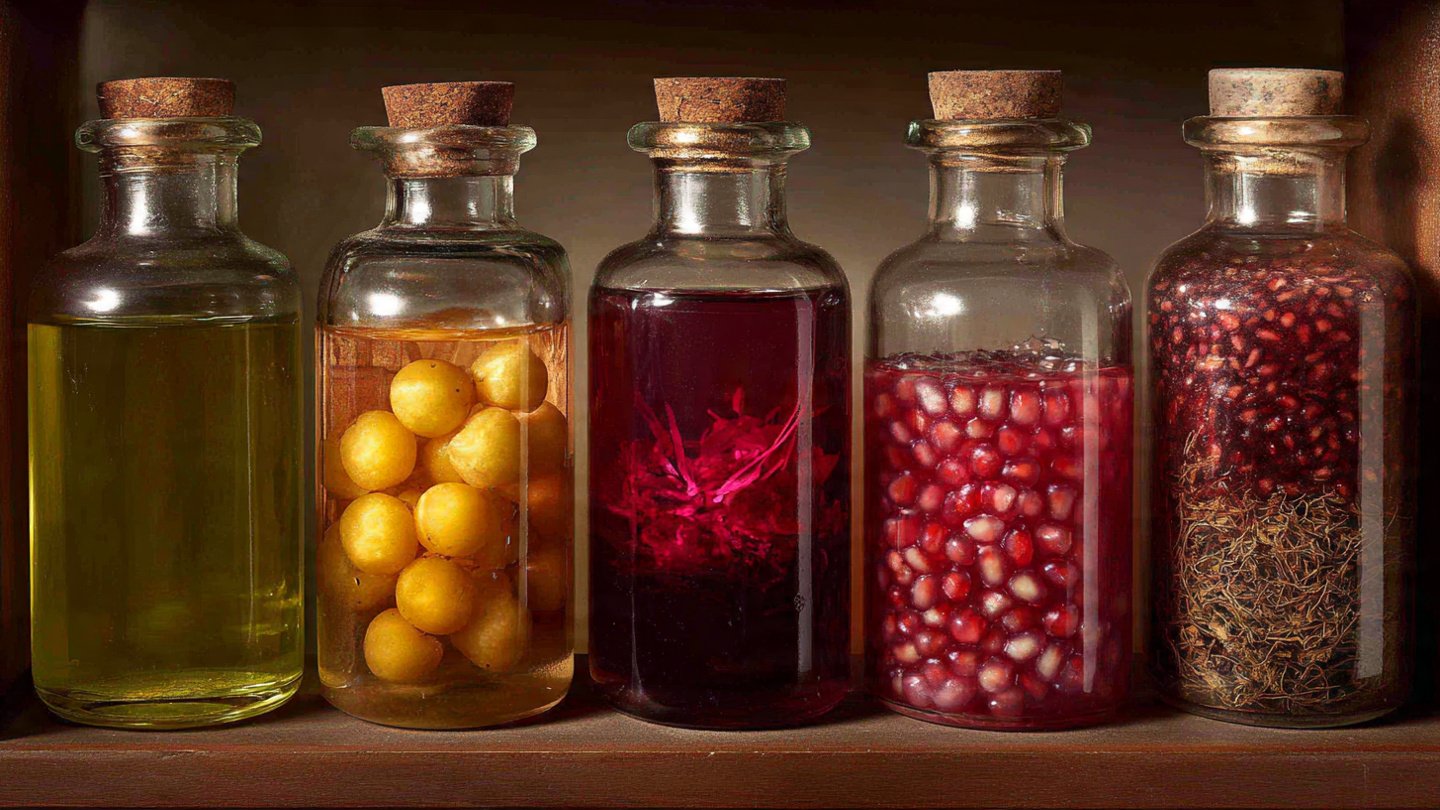
Fruit fermentation is a natural process that has long fascinated scientists, home brewers, and culinary enthusiasts alike. From the tangy richness of sourdough bread to the crisp refreshment of fermented beverages like cider and kombucha, fermented fruits offer a unique glimpse into the convergence of nature and human ingenuity. But what exactly drives the fermentation process in fruits? Understanding the multifaceted factors that contribute to early fruit fermentation reveals much about biology, chemistry, and even cultural traditions. This article aims to unveil the surprising factors that influence early fruit fermentation, encompassing microbiological, environmental, and biochemical dimensions.
1. The Role of Microorganisms
At the core of any fermentation process are microorganisms, primarily yeasts and bacteria. Among yeasts, Saccharomyces cerevisiae is the most well-known species, often employed in commercial fermentation. However, wild yeasts and lactic acid bacteria found on the surface of fruits also play critical roles.
1.1 Wild Yeasts
Fruits are covered in a diverse array of microorganisms, many of which are wild yeasts. These organisms thrive on the sugars present in ripe fruits and can initiate fermentation even in low-oxygen environments. For example, grapes, which have been used for winemaking for millennia, often contain natural yeasts on their skins that begin the fermentation process shortly after harvesting.
1.2 Lactic Acid Bacteria (LAB)
Lactic acid bacteria are another crucial player in the fermentation of fruits. These bacteria convert sugars into lactic acid, providing tangy flavors and acting as natural preservatives. Products like kimchi and sauerkraut, while vegetable-based, share common fermentation mechanisms with fruit-based products. In fruits, LAB can thrive in the anaerobic (low-oxygen) conditions that develop during fermentation.
2. Sugar Content and Ripeness
The sugar content of the fruit plays a paramount role in determining the rate and efficiency of fermentation. Riper fruits, by virtue of their higher sugar levels, provide a more abundant food source for fermentation microorganisms.
2.1 Brix Levels
Brix is a scale that measures the sugar content in an aqueous solution, commonly used in oenology (the study of wine). A higher Brix level in fruits generally translates to greater sweetness and, consequently, a more robust fermentation. For instance, apples destined for cider-making are typically harvested when their Brix level reaches at least 12. This ensures an enhanced fermentation process due to the higher sugar content.
2.2 Fruit Variety
Different fruit varieties have distinct sugar profiles. For example, a ripe banana has a different sugar composition than a ripe peach. This diversity influences not just fermentation efficiency but also the flavors and aromas produced during fermentation. Understanding these differences allows fermenters to select fruits that will yield desired flavors.
3. Temperature and Environmental Conditions
The environmental factors surrounding fermentation significantly affect the activity of microorganisms. Temperature, humidity, and oxygen levels each play critical roles.
3.1 Optimal Temperature
Fermentation typically occurs in a temperature range of 20-30°C (68-86°F). At these optimal temperatures, enzymatic reactions are accelerated, and microorganisms are most active. Higher temperatures can lead to faster fermentation but may also produce off-flavors. Conversely, lower temperatures slow down the fermentation process, which can benefit certain fruit fermentations, allowing for a more complex flavor profile to develop over time.
3.2 Oxygen Levels
Oxygen is a double-edged sword in fruit fermentation. While some aerobic bacteria require oxygen, the lack of oxygen favors anaerobic fermentation, which produces alcohol and carbon dioxide. The choice of fermentation vessel—whether open or sealed—will significantly influence the final product. Open fermentation systems can lead to a wider variety of microbial interactions, contributing to the complexity and depth of the final flavor.
4. pH Levels
The acidity or alkalinity of the fruit, measured as pH, can greatly influence fermentation. Most yeast and bacteria thrive in slightly acidic conditions (pH 3.5 to 4.5), which is common in many fruits.
4.1 Acidic Fruits
Fruits with high natural acidity—like lemons, berries, and cranberries—can inhibit undesirable bacteria while promoting the growth of beneficial microorganisms, setting a favorable fermentation environment. This balance is essential for developing a product with complex flavor layers and desirable acidity levels.
4.2 Adjusting pH
Some brewers and fermenters intentionally adjust pH during the fermentation process, using additives like citric acid or tartaric acid. By modifying pH levels, they can selectively encourage the growth of certain microorganisms that enhance flavor and stability.
5. Fermentation Duration and Timing
The duration of fermentation can vary widely depending on the desired end product. Shorter fermentations produce fresher, fruit-forward profiles, while longer fermentations yield more complex, nuanced flavors.
5.1 Primary vs. Secondary Fermentation
In many cases, a primary fermentation occurs first, followed by a secondary fermentation to develop flavors further. For example, cider-makers often allow cider to ferment fully before bottling it. This additional step can enhance carbon dioxide production and create natural effervescence, a sought-after characteristic in many fermented beverages.
5.2 Seasonal Influences
The timing of harvest also influences fermentation. In regions with distinct seasons, fruits may ferment differently depending on environmental factors like temperature and humidity. For instance, autumn-harvested apples often yield very different flavor profiles in ciders compared to spring-harvested apples.
6. Nutrient Availability
All living organisms require nutrients to thrive, and fermentation microorganisms are no exception. The availability of nitrogen, vitamins, and minerals can impact the health and activity of yeast and bacteria.
6.1 Yeast Nutrients
Professional winemakers often use yeast nutrients to promote healthy fermentation. These nutrients, typically rich in nitrogen and amino acids, can help avoid sluggish fermentations or stuck fermentations where yeast become inactive before converting all sugars.
6.2 Natural Nutrients in Fruits
Fruits like grapes and apples contain natural compounds beneficial for fermentation. The presence of these nutrients can lead to a more vigorous fermentation process, resulting in higher alcohol production and improved flavor complexity.
7. Cultural Practices
In addition to biological and chemical factors, cultural practices surrounding fermentation can significantly influence outcomes. Fermentation has a rich and diverse history worldwide, and traditional methods often involve unique practices that have been passed down through generations.
7.1 Traditional Fermentation Techniques
Certain regions have established specific fermentation methods designed to enhance flavor and yield. For instance, in traditional sake brewing in Japan, specific types of rice are used for koji mold cultivation, which creates enzymes that break down starches into sugars, making them available for fermentation.
7.2 Indigenous Knowledge
Indigenous practices often emphasize local flora and fauna, leading to regionally distinct fermented products. For instance, in parts of Africa, wild fruits are often fermented using native yeast strains. Understanding these practices can provide invaluable insight into optimizing fermentation for various fruits.
8. Conclusion
Understanding the surprising factors behind early fruit fermentation offers a holistic view of this fascinating natural process. The interplay of microorganisms, sugar content, environmental conditions, pH levels, fermentation duration, nutrient availability, and cultural practices all converge to shape the unique characteristics of the final product. As home brewers and professional producers alike explore these dynamics, they can innovate new flavors, improve quality, and deepen their appreciation for the age-old art of fermentation. In essence, the magic of fruit fermentation lies not only in the science but also in the rich tapestry of human culture and creativity it inspires.
By embracing this complexity, we open the door to a world of flavors, textures, and experiences that remind us of the intricate relationship between nature and humanity. Whether you’re sipping a refreshing cider, enjoying a tangy fruit spread, or savoring a bite of fermented fruit, you’ll be celebrating a process that has been evolving for centuries—one that continues to surprise and delight us today.