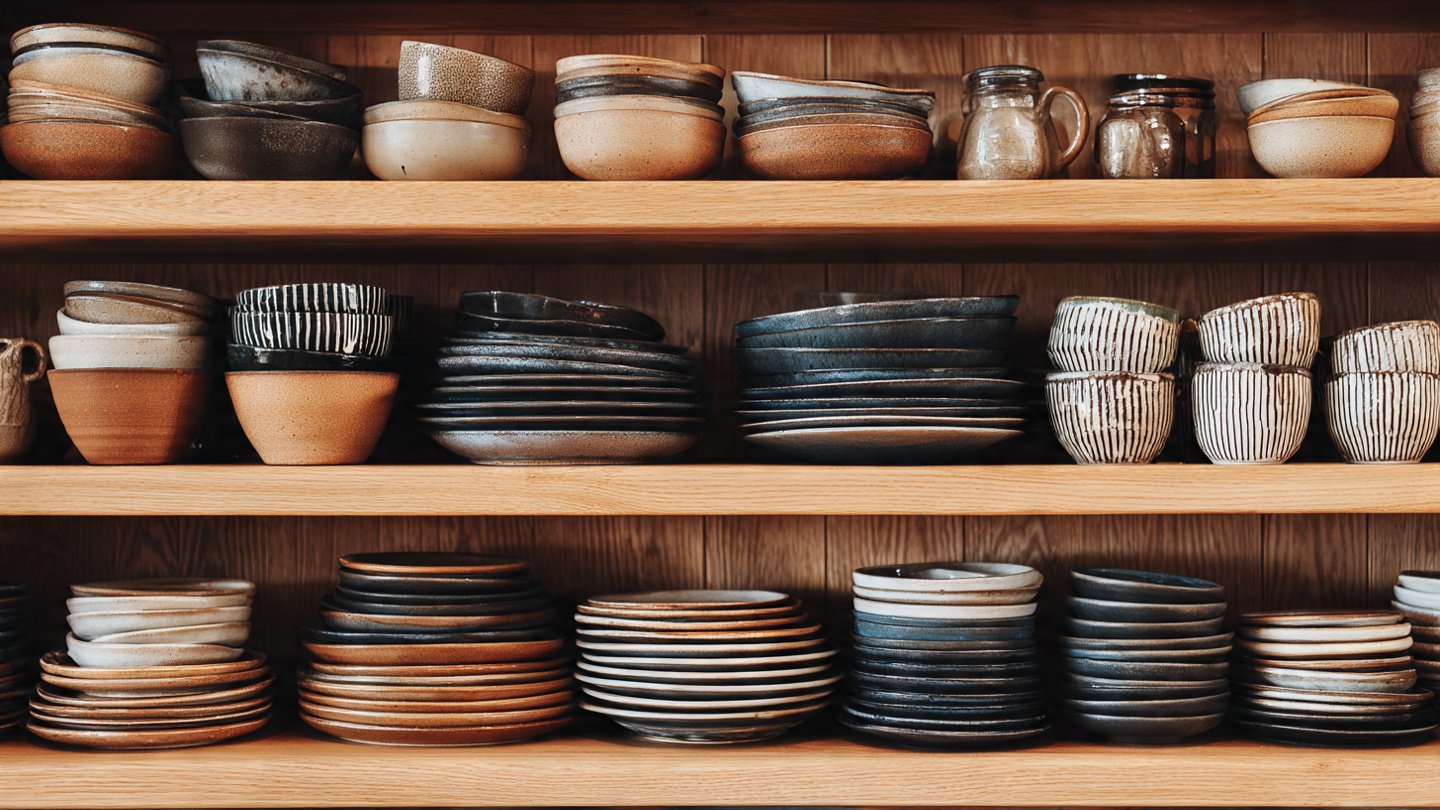
Keeping your kitchen tidy and your dishes organized can seem like an overwhelming task, but with some simple strategies, you can create a space that is both functional and visually appealing. An orderly kitchen not only enhances the aesthetic of your home but also makes cooking and cleaning much more manageable. In this article, we’ll explore various techniques and tips to help you maintain an organized system for your dishes.
1. Assess Your Space and Needs
Before diving into organization strategies, it’s essential to assess your kitchen layout and the number of dishes you own. Take stock of what you have and determine how much space is available. This evaluation will help you decide which storage solutions are most suitable.
Analyze Your Dish Collection
- Categorize: Separate your dishes into categories: everyday dishes, special occasion china, mugs, plates, bowls, etc.
- Decide What to Keep: Consider whether every piece is necessary. You might want to downsize if you have duplicates or items that you never use.
2. Maximize Cabinet Space
Once you’ve assessed your collection, the next step is to maximize your storage space. Here are some strategies for effectively using cabinets and shelves:
Use Drawer Dividers
Drawer dividers help keep utensils and smaller items organized. This can be particularly useful for organizing items like measuring cups, cutlery, or kitchen tools that might otherwise get lost in the drawer.
Stack and Nest Dishes
Maximize vertical space by stacking plates and nesting bowls. Avoid over-stacking, which can lead to damage. When stacking, ensure the bottom pieces are sturdy enough to hold the weight.
Install Pull-Out Shelving
Pull-out shelves or slide-out racks make access to items in the back of cabinets much easier. This option allows you to see everything at a glance and minimizes the risk of dishes stacked behind one another getting knocked over.
3. Utilize Vertical Space
In small kitchens, using vertical space can create more room for your dishes and kitchenware:
Wall-Mounted Racks
Consider installing wall-mounted racks or shelves. You can hang pots, pans, and dishes, displaying them artistically. This not only saves space but also adds character to your kitchen.
Pegboards
Pegboards are versatile and can be customized to fit your needs. You can use hooks for mugs, pots, and cooking utensils, freeing up cabinet space for dishes.
4. Organized Dish Placement
The way you store and place your dishes can dramatically affect how organized your kitchen feels.
Group Similar Items
Store similar items together, such as all plates in one area, bowls in another, and glasses in a different cabinet. This way, when you’re cooking, you’ll know exactly where to find what you need.
Frequently Used Items at Eye Level
Place items that you use most frequently at eye level. This will save you time when cooking and create less clutter as you won’t have to rummage through lower shelves for everyday items.
5. Use Baskets and Containers
Incorporate baskets and containers into your organization strategy. They can group smaller items and make them easier to access.
Baskets for Small Items
Use decorative baskets on open shelving for storing smaller items like spice jars or napkins. This not only reduces clutter but also creates a cohesive look.
Clear Containers for Visibility
Clear containers allow you to see what’s inside without digging. Choose containers that are stackable to maximize space.
6. Label Everything
Labeling can significantly streamline kitchen organization efforts, especially if multiple people use the kitchen.
Use Labels on Containers
Label containers with their contents. This helps everyone know where to find items and keep the kitchen tidy. Use a label maker or simple masking tape and a marker for a DIY option.
Color-Coding
Color-coding labels can make finding items easier, especially for frequently used dishes. For example, you can use blue labels for plates, red for bowls, and green for mugs.
7. Regular Maintenance
An organized kitchen requires ongoing maintenance. Set a regular schedule for cleaning and reorganizing your dishes.
Weekly Tidying
Take a few minutes each week to tidy up. This could include washing any used items, putting things back in their designated spots, and removing any unnecessary items or clutter.
Seasonal Review
Conduct a more thorough review of your dishes every few months. Assess whether you still need everything you’re storing. If you find items you no longer use, consider donating or selling them.
8. Smart Dish Drying
How you dry your dishes can also affect their organization. Consider implementing a dish drying strategy that complements your overall organization goals.
Dish Rack Placement
Place your dish rack near the sink for easy access. Make sure it’s designated so that it fits seamlessly with your dish organization system.
Use a Drying Mat
A drying mat allows you to place dishes on the countertop without creating clutter. Choose one that is absorbent and easy to clean, which can help keep your kitchen organized and tidy.
9. Incorporate Multi-Functional Items
When possible, use multi-functional items that can help maximize your space and keep things organized.
Stackable Dishes
Opt for stackable dinnerware to save space in your cabinets. For example, some bowls are designed to fit inside larger bowls, making them easy to store and access.
Dual-Purpose Utensils
Use utensils that serve more than one purpose, reducing the number of items you own and therefore need to store.
10. Involve the Family
In larger households, getting everyone involved can make organization less of a chore.
Assign Responsibilities
Designate certain dishes or areas of the kitchen to different family members. This way, everyone knows where their items belong and how to maintain organization.
Cooking Together
Engaging in cooking together can also create a sense of ownership over the organization of the kitchen. Everyone can learn the importance of cleaning up after themselves and maintaining space.
11. Embrace Minimalism
In some cases, embracing minimalism can drastically improve your kitchen organization.
Limit Sets
Consider limiting your dish sets to only what you truly use or need. It may be beneficial to invest in high-quality, versatile pieces instead of having a multitude of rarely-used items.
Focus on Function
Choose dishes based on functionality rather than aesthetics. While it’s nice to have beautiful pieces, the organization will be easier if you prioritize practicality.
12. Make Use of Countertop Space
Counter space can become cluttered, so managing it effectively can go along way towards a more organized kitchen.
Use Tiered Stands
Consider a tiered fruit or display stand for commonly used items. This allows you to free up space while also adding an attractive element to your kitchen.
Decorative Bowls
Utilize large decorative bowls for storing items like fruits or snacks. These can serve dual purposes by providing a functional storage solution while adding to the kitchen’s overall decor.
Conclusion
Keeping your dishes neatly organized doesn’t have to be a daunting task. By assessing your needs, utilizing smart storage solutions, and maintaining an ongoing commitment to organization, you can create a kitchen space that is both functional and tidy. Whether you choose to employ wall-mounted racks, stackable dishes, or systemized categories, the key is to find a balance that works for you.
By investing some time and effort into these strategies, you’ll not only simplify your daily routines but also enjoy a more inviting and visually appealing kitchen. An organized kitchen lays the foundation for a joyful culinary experience, making cooking and entertaining a breeze. So start today and enjoy the benefits of a well-organized dish system!